
The Ethics of Climate Intervention
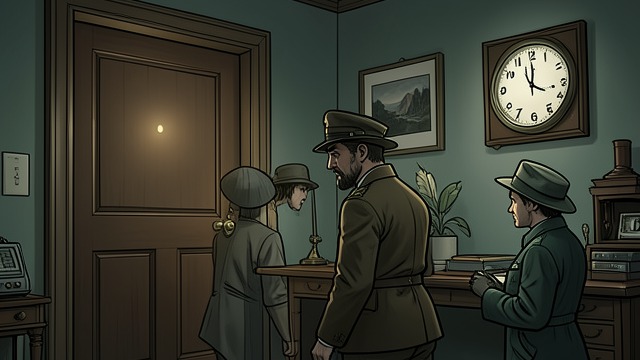
Panic RoomThis flow follows the novel’s debate over ecological responsibility, technological power and whether a horrific solution can ever be called rational.
increasing Bearing strength in each event
 decreasing
Bearing strength in each eventdecreasingJane’s Early Principles
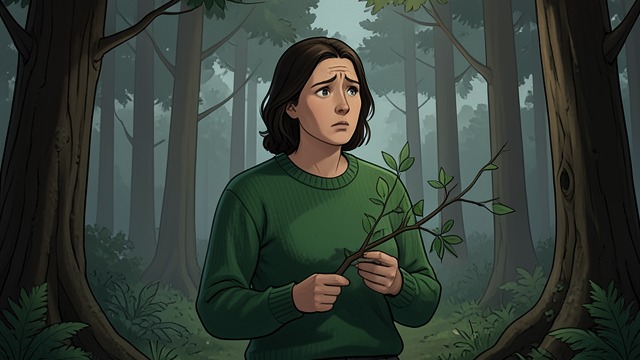
Jane’s Early Principles
An environmental conscience
Holly remembers Jane worrying about climate change, pesticides, forests and coral reefs before her peers took those issues seriously. Jane’s principles shape her identity.
An apparent contradiction
Her later work for a pharmaceutical company seems incompatible with that record. The contradiction becomes a central question as Blake discovers her role in the hidden research.
The Anthropocene Warning
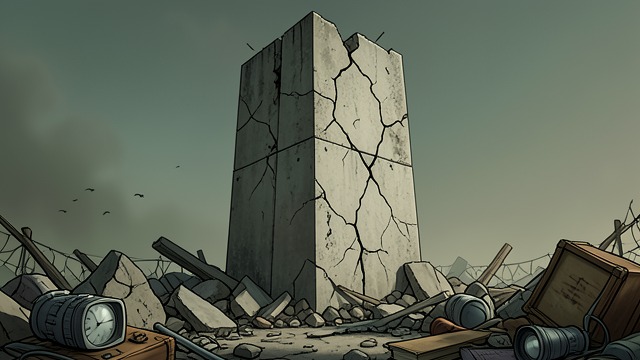
The Anthropocene Warning
A human-made crisis
Filippo describes rising temperatures, a shrinking carbon budget and a sixth mass extinction. The threat is not a distant abstraction but a consequence of human activity.
The limits of prediction
His figures give the characters a framework for urgency, yet do not prove that mass killing is necessary. The story distinguishes evidence of danger from justification for a chosen response.
A Technical Answer
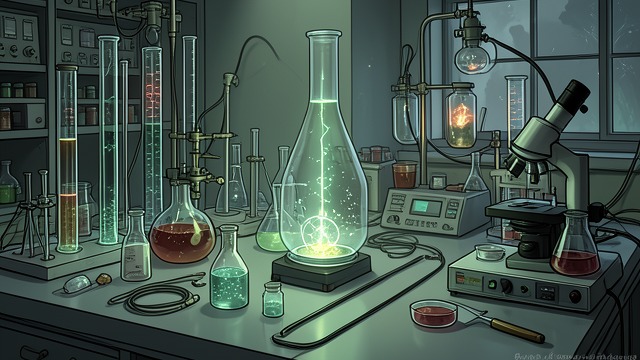
A Technical Answer
Control at planetary scale
The project uses products distributed by Harkness Pharmaceuticals to place nanobots in people, then proposes activating them through Cascade. The reach of commerce becomes a means of biological control.
Innovation without consent
The technology is developed in secret and distributed without informed agreement. Its technical ingenuity magnifies the ethical violation rather than resolving it.
The Proposed Mass Killing
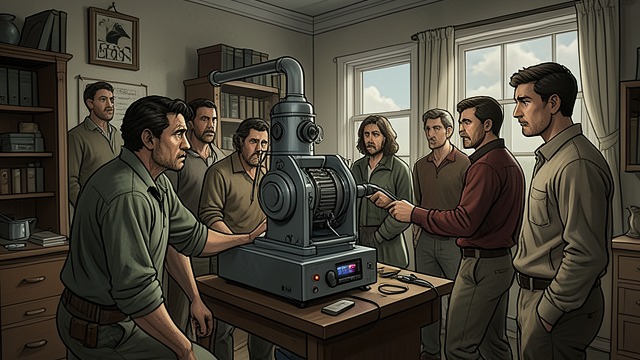
The Proposed Mass Killing
A calculated atrocity
Filippo says the nanobots are designed to cause heart failure in millions, reducing human pressure on the planet. The plan treats people as variables in an ecological calculation.
Sanity and madness together
Filippo calls the proposal both insane and rational, expressing the moral trap that has captured the collaborators. The novel lets the climate danger remain real without endorsing their method.
Relief and Continuing Dread
Relief and Continuing Dread
A catastrophe prevented
The room remains closed and the activation does not occur. Blake feels relief that people survive, while recognizing the plan’s failure does not stop environmental destruction.
The unanswered countdown
The novel closes on the possibility that humanity will continue toward the crisis Jack tried to address. Its final question concerns not only his madness but the sanity of a world that refuses to change.
During Jane’s Cambridge years
During Filippo’s explanation in Zug
During the account of the nanobot program
At the climax of Filippo’s confession
At the closing scene in Zug
