2050
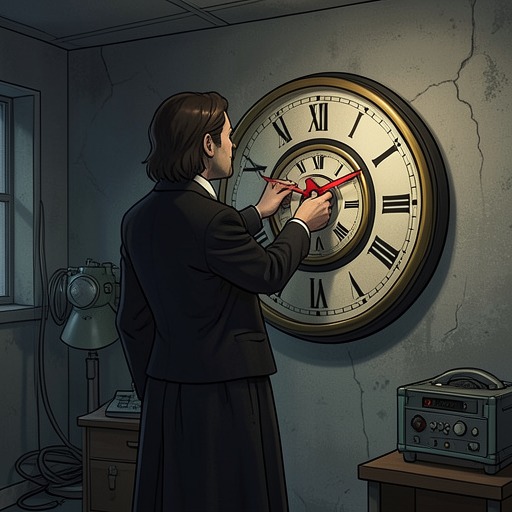
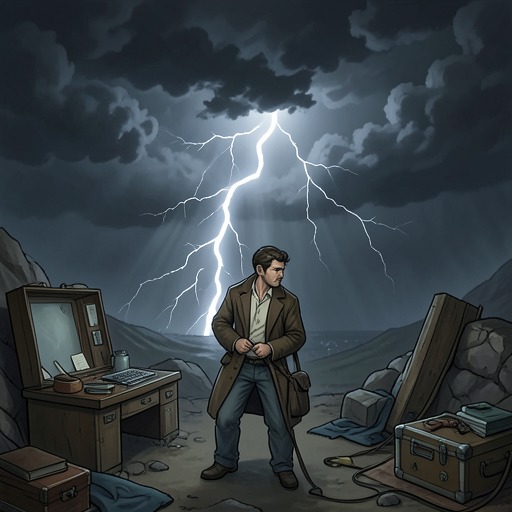
Panic RoomIn the novel, 2050 is both a climate target and a deadline against which the characters measure the danger of inaction. The year gives numerical force to a future of rising temperatures and species loss, but also exposes the moral gulf between preventing catastrophe and Jack Harkness’s plan to do so through mass killing. Although that plan fails, the closing reflection insists that the underlying countdown has not ended.
The climate target
Filippo Crosetti explains that limiting global temperature rise to two degrees above pre-industrial levels requires cutting carbon emissions to half their current level by 2050, then reducing them to zero. Even that trajectory would hold warming at two degrees rather than reverse it, because carbon dioxide already in the atmosphere would continue to affect the climate. The limit he describes is an overall budget of 800 gigatons of carbon emissions. More than 500 gigatons have already been emitted, leaving fewer than 300; at the current rate of 10 gigatons a year, that would mean less than thirty years before emissions must stop altogether. In this account, 2050 is not a promise that climate change will be solved, but a point by which the direction and scale of emissions must have changed.
The projected ecological cost
The year also marks a projected threshold for biodiversity loss. Crosetti estimates that by 2050 at least 20 per cent of species will be extinct or near extinction. He places the forecast within the history of five mass extinctions over the previous half-billion years and warns that human activity could cause a sixth, the worst since the extinction of the dinosaurs following an asteroid strike 66 million years ago. His account connects long-term environmental damage with immediate political urgency: the future catastrophe is not presented as an abstract possibility, but as the cumulative consequence of human choices.
The deadline behind Cascade
The 2050 projections help explain why Harkness, Astrid, and Crosetti developed the nanobot programme. Crosetti says that Harkness and Astrid recruited him twelve years earlier, and that their project aimed to produce the result they considered necessary. Nanobots entered the bloodstream through Harkness Pharmaceuticals drugs and cosmetics, and could also reach people through crops treated with the company’s pesticides or meat from animals given its antibiotics. Products including Elixtris and Fenextris were among the routes of exposure. The nanobots eventually left the body, Crosetti explains, but were continually replaced by new production from factories around the world.
The intended consequence was not merely to alter emissions or consumption. Crosetti says the plan would reduce the human population by more than anyone could count, a number he considered sufficient to keep temperature rise below two degrees. He presents this as both madness and a kind of reasoning: in his view, fewer people would mean a substantially reduced threat to humanity and other species. The 2050 deadline thus becomes part of the argument used to justify an immense, involuntary human cost.
A countdown that continues
Crosetti later describes the choice as one between a wrong answer now and a worse answer later. He had hoped that a shift to renewable energy in the following decade might achieve the necessary reductions without the plan, but says that Harkness and Astrid would not wait. Their readiness to act turns the climate target into an immediate threat: the catastrophe they claim to prevent is projected into the future, while the method they choose risks beginning mass death in the present.
The plan is ultimately stopped, and the narrator reflects with relief that it did not begin. Yet relief is qualified by Crosetti’s figures: the projected loss of 20 per cent of species by 2050 and the danger of unprecedented floods, storms, droughts, and famine remain. The novel closes on the distinction between thwarting Harkness’s intervention and solving the environmental crisis that motivated it. The countdown has not been reset; 2050 remains a warning about the consequences of delay.