
Adam's Moral Transformation
Paradise LostThis flow traces Adam's movement from rational authority and confident innocence through conscious failure, accusation, repentance, and responsible hope.
increasing Bearing strength in each event
 decreasing
Bearing strength in each eventdecreasingRational Steward

Rational Steward
Ordered responsibility
Adam understands the command, tends the garden, and teaches Eve the reason for obedience. His authority is meant to protect freedom through rightly ordered reason.
Confidence in love
He believes that his bond with Eve can withstand danger, yet he does not fully grasp how affection may become a rival authority. His strength contains the seed of later weakness.
Warning Eve
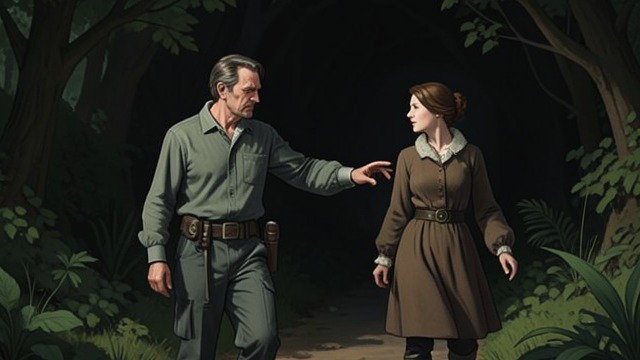
Warning Eve
Counsel against exposure
Adam urges Eve not to separate from him, explaining that temptation should not be deliberately sought. He understands that free will is strongest when it refuses unnecessary danger.
Authority limited
Because force would violate the freedom he is meant to guide, Adam permits her choice. His prudence is sound, but his action shows how responsibility can be complicated by love and restraint.
Conscious Eating
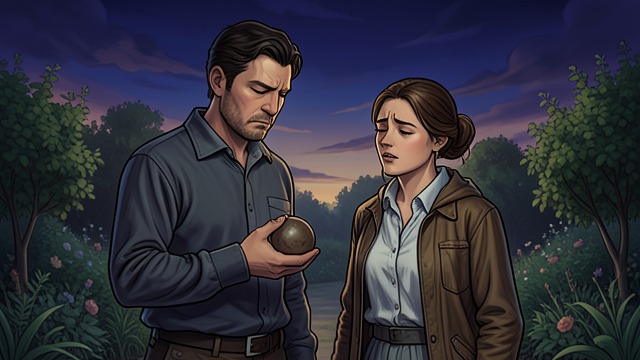
Conscious Eating
Knowledge without deception
Adam is not persuaded by the Serpent directly. He eats because Eve's loss seems worse than death, making his choice a conscious preference for created love over divine command.
Love disordered
His act is emotionally understandable but morally decisive. He turns marital solidarity into participation in sin and thereby makes the Fall a shared human condition.
The Accuser
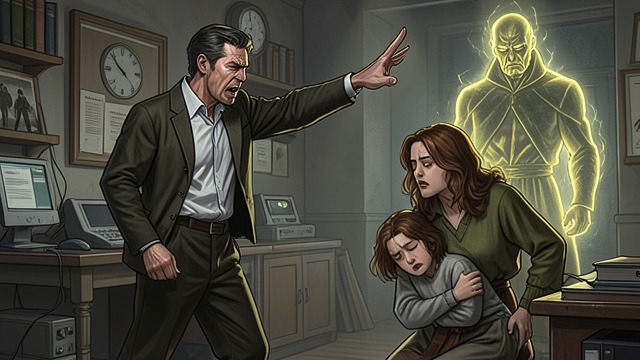
The Accuser
Responsibility displaced
Adam blames Eve and, indirectly, God for giving her to him. The defense reveals that fallen reason can recognize guilt while still trying to redistribute it.
Authority exposed
God asks whether Eve was Adam's god, guide, or superior. Adam's failure is not lack of knowledge but surrender of rightful judgment to desire.
Penitent Father

Penitent Father
Confession accepted
Adam abandons his wish for death and joins Eve in prostrate repentance. He recognizes that judgment has already been tempered by clothing, delay, and the promise of redemption.
Future responsibility
He resolves to labor, pray, and guide their descendants through mortality. His restored role is no longer confident innocence but accountable endurance.
before the Fall in Garden of Eden
the morning of the Fall
after Eve eats on the day of the Fall
during God's judgment in the Garden of Eden
the night after judgment
