
The Cost of Racial Passing
Passing (Nella Larsen Edition)This flow traces passing as an escape from racial exclusion that creates new dependencies, risks, and losses.
increasing Bearing strength in each event
 decreasing
Bearing strength in each eventdecreasingA System of Unequal Access

A System of Unequal Access
Whiteness carries material advantage
The world of the novel connects white identity with access, status, and safety. Passing offers Clare a route into benefits denied to Black people.
The price of entry
Her passage requires concealment and separation from the community she once knew. The apparent freedom is therefore shaped by the racial rules it evades.
The Choice of a New Life
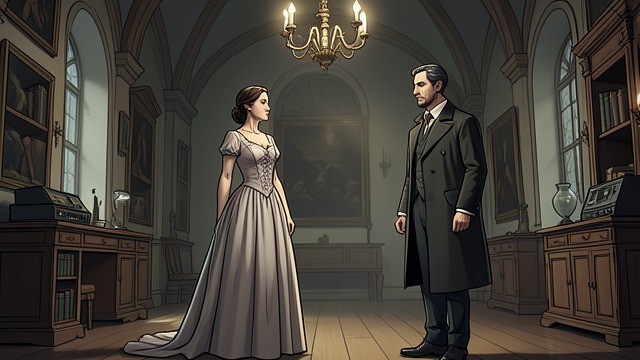
The Choice of a New Life
A deliberate crossing
Clare uses her appearance and circumstances to enter white society and marry John Bellew. Her choice is purposeful rather than a reluctant accident.
Agency under constraint
She gains wealth and mobility, but cannot safely disclose her ancestry. Her agency operates within a system that makes whiteness a condition of security.
A Child and the Bloodline

A Child and the Bloodline
Fear of inheritance
Clare remembers fearing that Margery might be dark. The anxiety reflects a belief that ancestry can emerge unexpectedly in a child’s appearance.
The family as evidence
Margery’s existence links Clare’s secret to the future. Clare’s choices are no longer only personal, because discovery could alter her daughter’s life as well.
The Return of the Repressed

The Return of the Repressed
A life cannot be fully disowned
Clare returns to Black friends and Harlem despite the danger to her white identity. Her longing challenges the idea that passing can erase every former attachment.
The risk accumulates
Repeated visits transform a hidden personal choice into a public vulnerability. The more Clare seeks connection, the more opportunities arise for discovery.
Exposure and Death
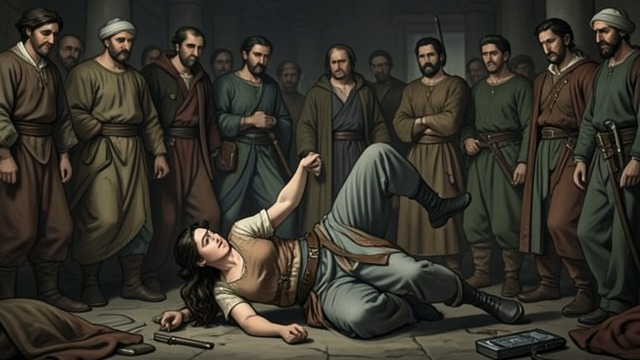
Exposure and Death
The boundary reasserted
Bellew’s accusation strips Clare of the white identity others had accepted. A social classification becomes an immediate threat.
No safe category remains
Clare falls and dies, with the physical cause unresolved. Her story demonstrates the lethal stakes attached to a racial order that makes her identity seem impossible to accommodate.
The early twentieth-century setting of the novel
Clare’s marriage to Bellew
After Margery’s birth
After Clare renews contact with Irene
Christmas night at the final gathering
