
Whiteness as Social Property
Passing (Nella Larsen Edition)This flow traces how white identity functions as an avenue to privilege and how the novel exposes the exclusions that protect it.
increasing Bearing strength in each event
 decreasing
Bearing strength in each eventdecreasingAccess to White Spaces

Access to White Spaces
A room with an unspoken rule
Irene enjoys the Drayton’s comfort while fearing that discovery could lead to polite expulsion. Her access depends on being accepted as white.
Privilege as conditional possession
The scene shows that access is not simply a matter of personal choice. It is controlled by social rules that determine who may occupy prestigious spaces.
Clare’s Material Advancement

Clare’s Material Advancement
Passing yields benefits
Clare gains wealth, travel, and social position through her marriage and accepted whiteness. Her success demonstrates the material rewards attached to racial classification.
Privilege requires exclusion
Bellew’s prosperity and confidence coexist with his contempt for Black people. Clare’s access is protected by a social order that denies those same privileges to others.
Harlem as Spectacle
Harlem as Spectacle
Visitors consume difference
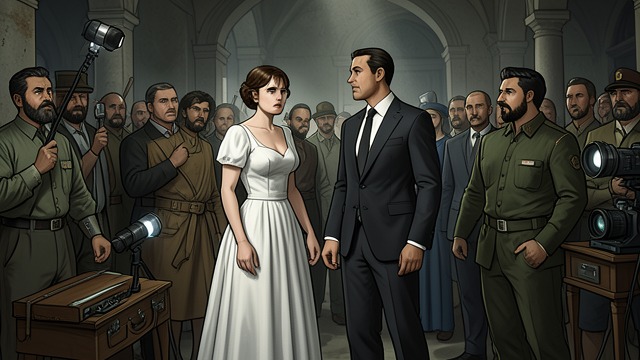
White guests attend Harlem events to dance, observe, and gather material. Irene recognizes that cultural interest can reproduce unequal relations even when presented as entertainment.
Access is asymmetrical
Visitors can enter and leave Harlem without surrendering their white status. Clare, by contrast, risks losing her entire constructed life through one encounter.
Bellew’s Color Line

Bellew’s Color Line
Family membership defined by race
Bellew says there will never be a Black person in his family, even as he lives with Clare. His certainty protects his idea of white lineage.
The contradiction made visible
His marriage already contradicts his claim, though he does not know it. The scene exposes whiteness as a boundary maintained by belief and exclusion rather than transparent evidence.
The Price of Recognition
The Price of Recognition
Privilege revoked
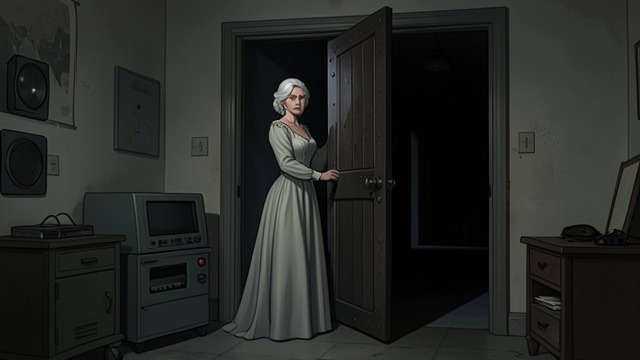
Once Bellew identifies Clare as Black, the privileges her white identity had secured become vulnerable. The disclosure immediately changes how her marriage and safety are understood.
The boundary survives the performance
Clare’s ability to pass demonstrates the instability of racial categories, but her death shows the power of institutions and people to enforce them. The system’s material hierarchy remains intact.
At Irene’s first visit to the Drayton tearoom
After Clare marries Bellew
During the Negro Welfare League dance
During the Chicago hotel tea
At the Christmas party
