
Hugh’s Harlem Observations
Passing (Nella Larsen Edition)This flow traces Hugh Wentworth’s role as an outsider whose curiosity exposes the spectacle and uncertainty surrounding racial identity in Harlem.
increasing Bearing strength in each event
 decreasing
Bearing strength in each eventdecreasingThe Invitation Question
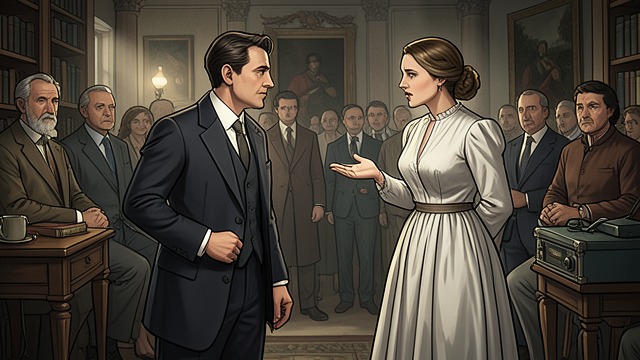
The Invitation Question
An outsider enters the plan
Hugh Wentworth speaks with Irene about attending the Negro Welfare League dance. His presence is part of the larger white interest in Harlem’s social world.
Irene names mixed motives
She explains that some visitors seek pleasure while others seek material or social advantage. Her answer makes observation itself part of the event’s racial politics.
The Blonde Beauty
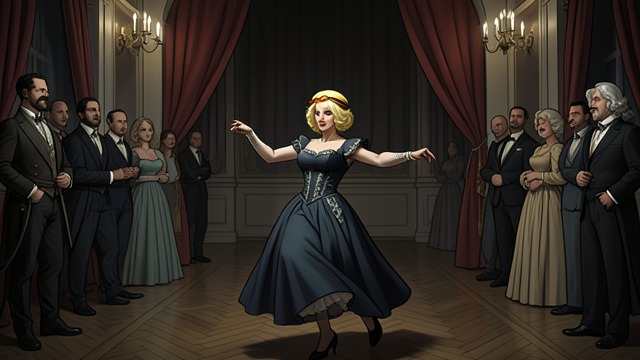
The Blonde Beauty
Hugh asks who Clare is
Hugh notices Clare dancing and asks Irene about her identity and status. Clare’s appearance attracts attention without clarifying her racial history.
No reliable visual test
Irene rejects Hugh’s hope that passing can be detected by sight. The exchange emphasizes that racial classification depends upon social knowledge as much as visible appearance.
A Conversation About Attraction
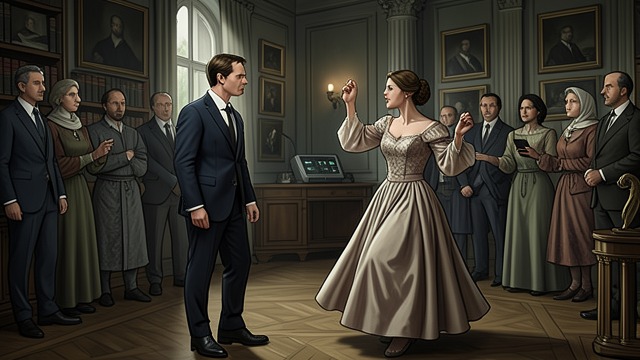
A Conversation About Attraction
The gaze is examined
Hugh asks why white visitors admire Black dancers. Irene suggests that attraction may involve fascination with difference rather than an uncomplicated judgment of beauty.
Mutual scrutiny
Their conversation reverses the usual direction of observation: Irene analyzes the visitors as they watch Harlem. The scene complicates claims that the white gaze is neutral.
The Broken Cup
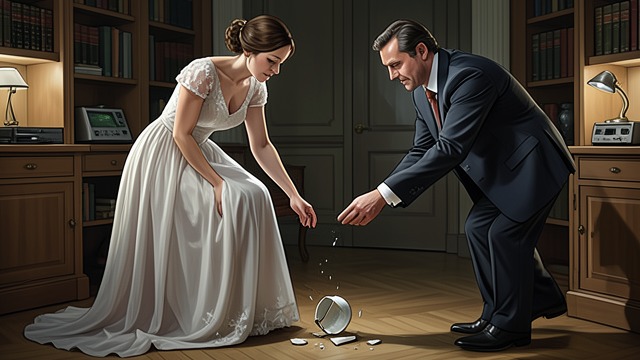
The Broken Cup
A private crisis in public
Irene drops a cup while watching Brian and Clare. Hugh steps in and offers to take responsibility, sensing that her composure has faltered.
An inherited object and history
Irene invents a comic account of the cup’s past and its route north. Her explanation turns a moment of distress into a performance of control.
The Witness at the Window
The Witness at the Window
Questions without answers
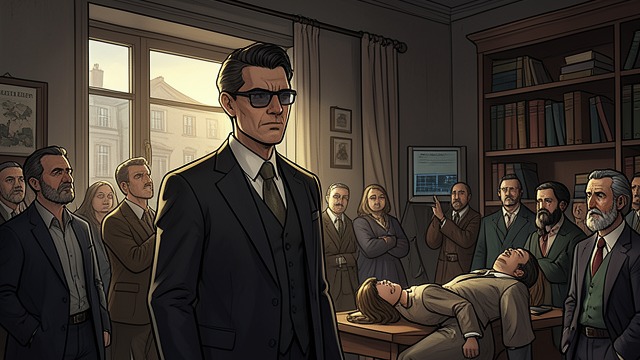
Hugh is present among those responding to Clare’s fall, but the narrative offers no clear confirmation of what he saw. His earlier perceptiveness does not solve the central mystery.
The limits of observation
The episode underlines that witnesses can be present without possessing reliable knowledge. Looking closely cannot restore the missing moment in Irene’s account.
Autumn, before Clare attends the dance
During the dance
Later in the same dance
December, during Irene’s tea party
Christmas night after Clare’s fall
