Felise Freeland
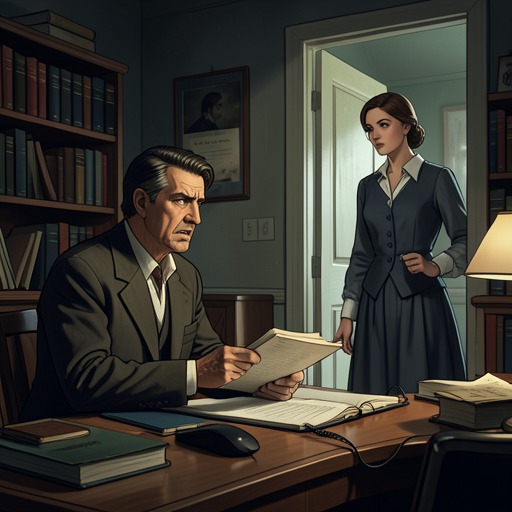
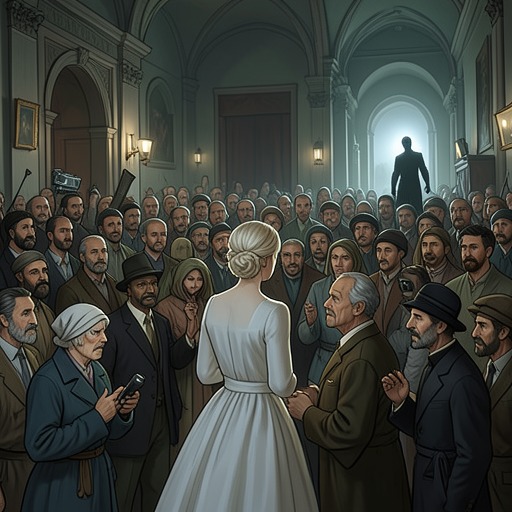
Passing (Nella Larsen Edition)Felise Freeland appears at first as Irene Redfield’s quick-witted companion, but her decisive moment comes at the party where John Bellew exposes Clare Kendry. She moves between Bellew and the others, making the danger of his position plain; in the aftermath, her usual nonchalance is gone.## Encounters with Irene RedfieldOn an exceptionally cold day, Felise goes downtown shopping with Irene. A strong wind reddens Felise’s golden cheeks and drives moisture into Irene’s eyes; turning from the Avenue onto Fifty-seventh Street, they collide with a man who proves to be Clare’s husband, John Bellew. The encounter brings Felise into the tense divide between Irene’s Harlem life and the white identity she presents to Bellew.Felise recognizes what has happened when Irene gives Bellew an appraising look and moves on without acknowledging him. She teases Irene: “Aha! Been ‘passing,’ have you? Well, I’ve queered that.” When Irene admits, “Yes, I’m afraid you have,” Felise replies, “Why, Irene Redfield! You sound as if you cared terribly. I’m sorry.” Her joke treats the brief encounter as a disruption of Irene’s performance, while her quick apology catches the discomfort beneath the wit.## Intervention at the PartyWhen Bellew pushes into the room and advances on Clare, the men spring forward. Felise leaps between them and Bellew, warning him, “Careful. You’re the only white man here.” Her words identify the immediate imbalance in the room and make her intervention more than a gesture of physical protection: she confronts Bellew with the fact that he is isolated among the people he has come to threaten.Clare stands by the window, composed as the others stare at her. Irene, terrified by Clare’s faint smile and intent on preventing Bellew from casting her aside, runs to Clare and takes her arm. Felise’s intervention occurs amid this confusion, as the danger shifts from Bellew’s accusation to the consequences of Clare’s exposure.## AftermathFelise is still present after Clare’s fatal fall. Dave Freeland tells Irene that the group, having just missed her, thought she had fainted and had gone to look for her. Felise is holding Dave’s arm; the earlier “insolent nonchalance” has disappeared, and the golden-brown color of her face has turned a strange mauve. The change registers the shock of the disaster in her body, contrasting sharply with her joking ease during the street encounter.Felise’s role is brief but consequential: she moves from teasing witness to the person who places herself between Bellew and the room, then remains among the stunned survivors. The contrast gives her presence a clear arc within the crisis without making her its center; her warning marks the confrontation, and her altered face records its cost.