
Clare’s Personal Trajectory
Passing (Nella Larsen Edition)This flow follows Clare Kendry from a precarious childhood through passing and renewed belonging to a death that cannot be definitively explained.
increasing Bearing strength in each event
 decreasing
Bearing strength in each eventdecreasingThe Red Dress
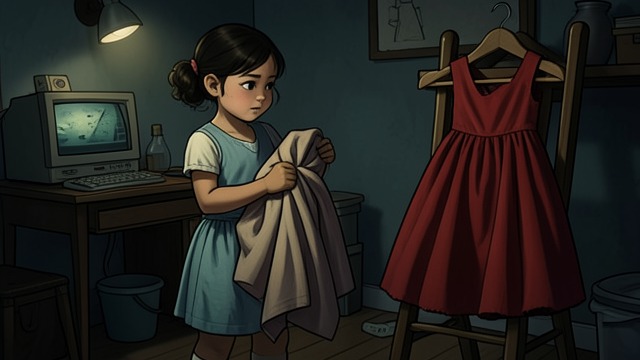
The Red Dress
Desire amid deprivation
As a child, Clare takes money to buy fabric for a dress she wants. Irene remembers her as alert to danger but unwilling to give up an immediate desire.
A lasting pattern
The episode anticipates Clare’s later willingness to risk security for what she wants. Irene’s childhood portrait also establishes the qualities through which she will interpret Clare as an adult.
The Father’s Death
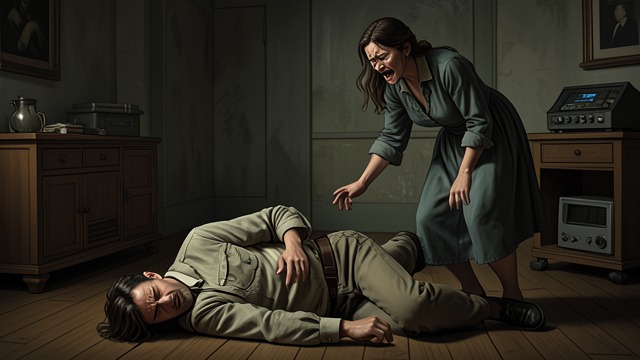
The Father’s Death
Grief and anger
Bob Kendry dies after a saloon fight. Clare first stares at his body, then breaks into a sudden, forceful display of grief.
A difficult inheritance
Irene remembers the episode as possibly containing fury as well as sorrow. Clare’s emotional opacity becomes an enduring feature of how others read her.
The Decision to Pass
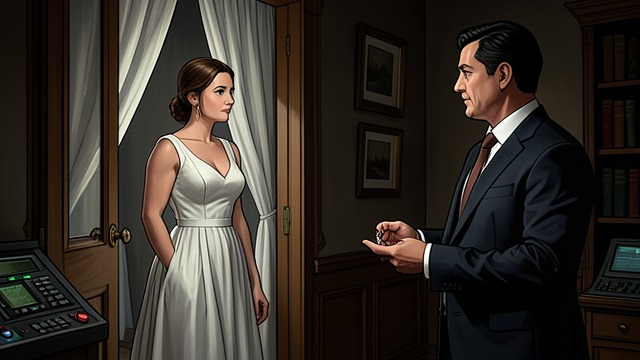
The Decision to Pass
The desire to escape
Clare’s white aunts provide a home but require labor and silence about Black ancestry. She resolves to become a person rather than a dependent or a racial problem.
Marriage as passage
When John Bellew returns with money and marriage becomes possible, Clare conceals her identity. She gains wealth and mobility while accepting the permanent threat of discovery.
The Return to Harlem
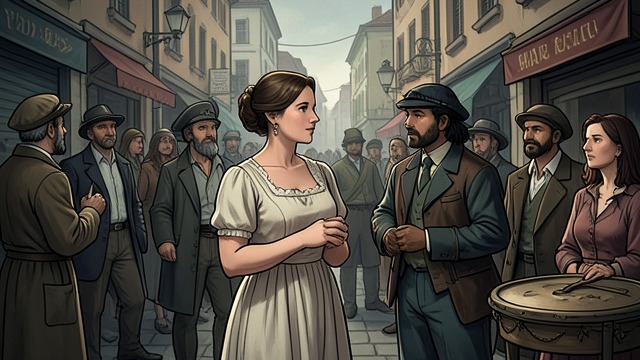
The Return to Harlem
Longing breaks through isolation
Clare seeks Irene and other former friends after returning to the United States. Her letters describe a pale existence and a desire for the life she left.
Belonging without commitment
Clare wants contact with Black people but does not profess loyalty to the race. Her return is driven by personal longing and appetite rather than an ideal of racial solidarity.
The Fatal Exposure
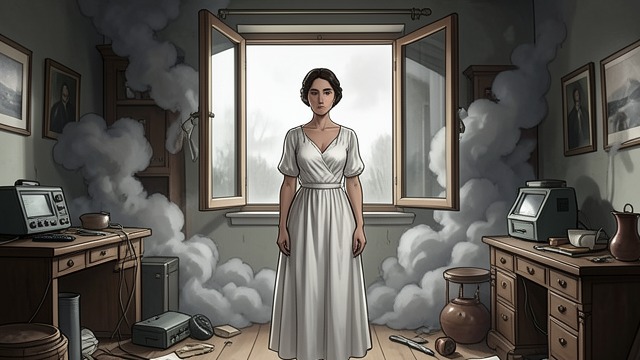
The Fatal Exposure
Her secret is named
John Bellew publicly calls Clare Black, destroying the conditions that sustained her passage. Clare appears strangely composed as the room reacts around her.
A life ends ambiguously
She falls from the window and dies, but the text never establishes whether she fell, jumped, or was pushed. Her fate remains inseparable from the racial order that denied her a secure place.
Clare’s childhood before her father’s death
When Clare is about fifteen
Clare’s late adolescence
Autumn, after years abroad
Christmas night, at the end of the novel
