
Clare and Bellew’s Marriage
Passing (Nella Larsen Edition)This flow traces a marriage whose apparent intimacy depends on Bellew’s ignorance and whose racial assumptions make discovery catastrophic.
increasing Bearing strength in each event
 decreasing
Bearing strength in each eventdecreasingA Convenient Courtship
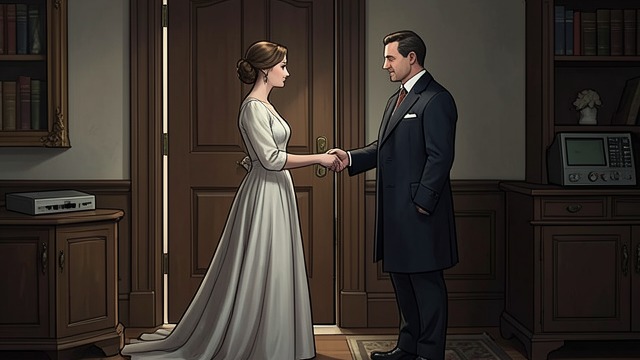
A Convenient Courtship
Opportunity appears
John Bellew returns with money, and Clare recognizes a route out of her aunts’ household. She arranges to marry him without revealing her ancestry.
Marriage begins with concealment
Bellew’s affection and Clare’s ambitions coexist with an essential fact he does not know. Their union is therefore intimate in form but unequal in knowledge.
The Pet Name
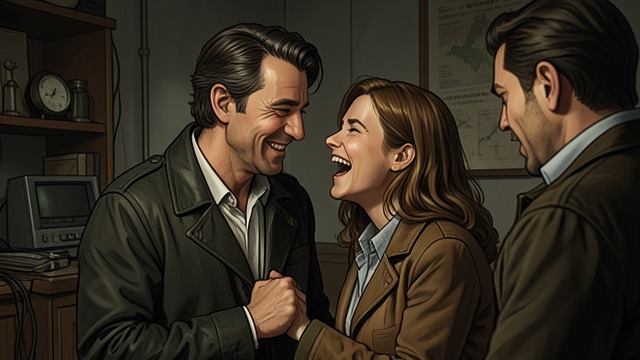
The Pet Name
A racist joke in marriage
Bellew calls Clare “Nig” and explains it as teasing about her appearance. He speaks as though the possibility of her Black ancestry is absurd.
Tenderness and contempt entwined
Clare joins his laughter, while Irene senses the danger beneath it. Bellew’s apparent affection does not challenge the racial hierarchy he openly defends.
Distance and Permission
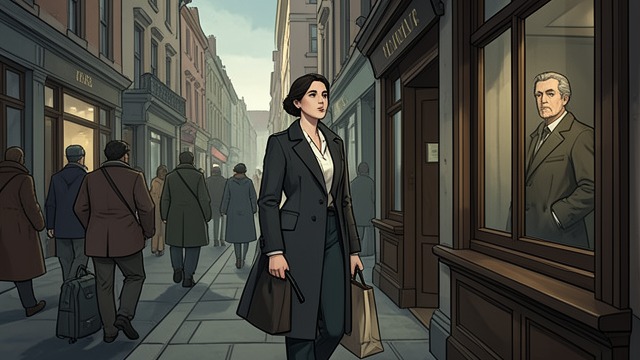
Distance and Permission
A life managed around absence
Clare visits Harlem when Bellew is away or unlikely to discover her activities. Her marriage determines when she can see friends and where she can go.
Dependency behind privilege
The wealth and status Clare gained through marriage do not give her full freedom. Her access to Harlem remains conditional on Bellew’s absence and continued ignorance.
The Threat of Separation
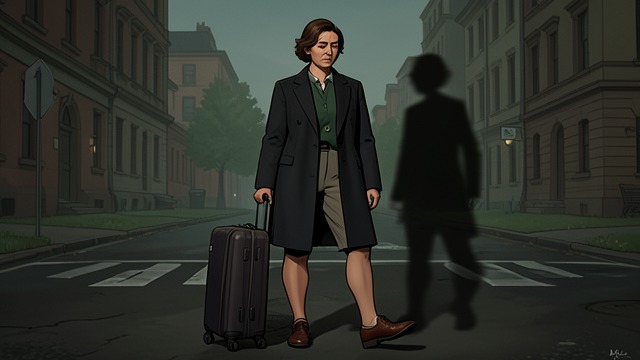
The Threat of Separation
Clare considers the consequences
Irene asks Clare what she would do if Bellew found out. Clare has considered it and says she would come live in Harlem if the marriage ended.
Freedom remains constrained
Clare says Margery is the main reason she has not acted already. Her imagined independence depends on a rupture she cannot control.
Marriage Ends in Exposure
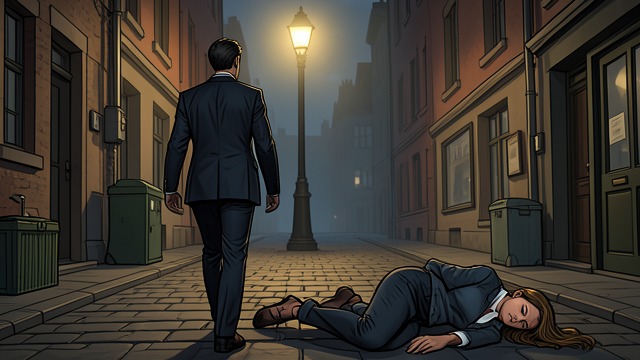
Marriage Ends in Exposure
Bellew names the truth
Bellew publicly rejects Clare once he believes he has discovered her ancestry. The marriage’s hidden foundation is destroyed in a single confrontation.
Separation is not freedom
Clare’s fall follows before she can begin the Harlem life she imagined. The novel makes no claim that her death was caused by one person alone, but it shows how little safety her marriage could offer.
When Clare is about eighteen
At the Chicago hotel tea
During Clare’s visits to New York
During the conversation about Bellew’s discovery
Christmas night, at the Freelands’ gathering
