
A Story Told Through Irene
Passing (Nella Larsen Edition)This flow traces how Irene’s memories, interpretations, and silences shape the reader’s access to Clare and to the novel’s central mystery.
increasing Bearing strength in each event
 decreasing
Bearing strength in each eventdecreasingMemory Before Action
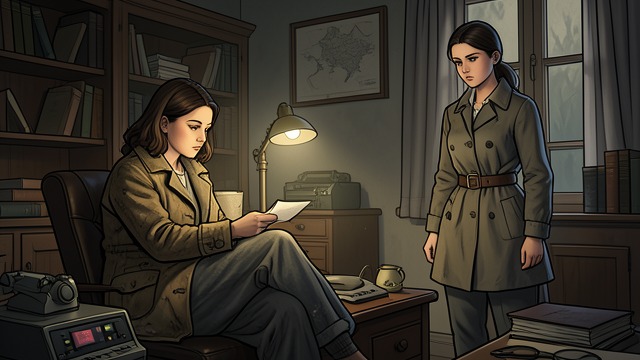
Memory Before Action
The present is already retrospective
Irene sits with Clare’s letter and revisits an encounter from two years earlier. The narrative’s first evidence is her memory, not an impartial account.
Judgment shapes recollection
Irene describes Clare as selfish, dangerous, and compelling. Those descriptions reveal as much about Irene’s conflicts as they do about Clare.
Reading Clare’s Face
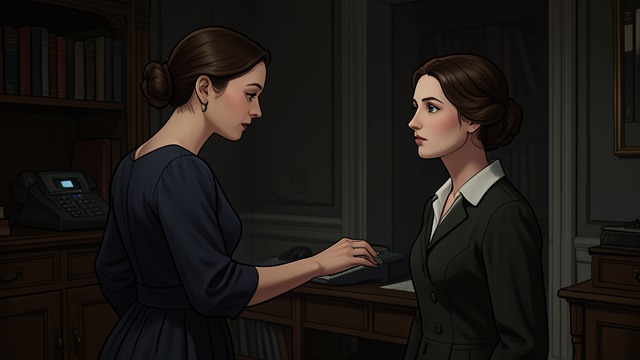
Reading Clare’s Face
Signs that will not settle
Irene studies Clare’s eyes, clothes, and gestures for clues to identity and intention. The visible details invite interpretation without providing certainty.
A reader’s dilemma
Clare’s inner life reaches the reader only through Irene’s observations. This limited access turns the act of reading another person into a central source of tension.
Suspicion as Narration
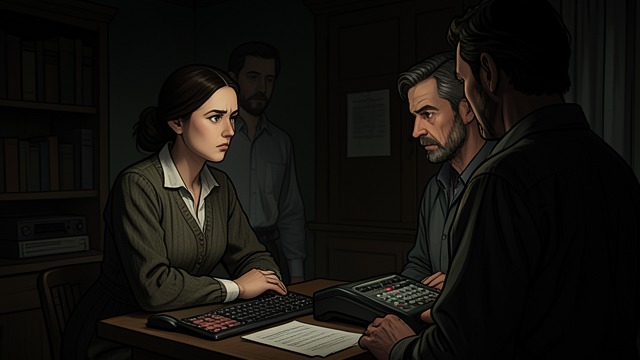
Suspicion as Narration
An imagined affair
Irene reads Brian’s attention to Clare as possible evidence of betrayal. Her convictions intensify despite the absence of conclusive proof.
Interpretation under pressure
The reader cannot simply confirm Irene’s fears, because the story remains bound to her consciousness. Suspicion becomes both a plot engine and a test of narrative reliability.
The Unspoken Encounter

The Unspoken Encounter
A fact held back
Irene intends to tell Brian that Bellew may have recognized her, but repeatedly fails to speak. Her silence protects Clare while also postponing a confrontation.
Meaning becomes uncertain
Irene gives reasons for her omission without fully facing its emotional motives. The gap between knowledge and speech deepens the story’s uncertainty.
The Missing Moment
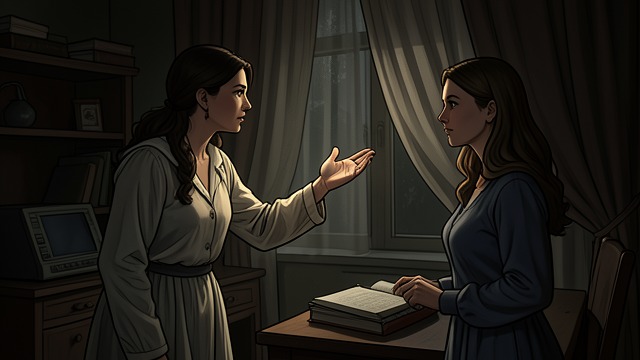
The Missing Moment
A broken account
Irene remembers reaching toward Clare, then cannot clearly remember what followed. Her testimony stops precisely where responsibility becomes most consequential.
The reader completes the gap
The unresolved interval permits several accounts of Clare’s death without confirming one. Narrative form reproduces Irene’s effort to suppress what she cannot bear to know.
The opening pages, before the Chicago recollection
During the first Chicago meeting
After Clare begins visiting the Redfield home
The night after Irene meets Bellew downtown
Immediately before the novel’s final blackout
