
The Law Versus Revenge
PeacemakerThe novel contrasts the Guild’s legal restraint with the temptation to answer illegality through immediate violence, especially when powerful people are at risk.
increasing Bearing strength in each event
 decreasing
Bearing strength in each eventdecreasingA Cooling Period

A Cooling Period
Intent before action
A Filing of Intent records a grievance and creates time for depositions, deliberation, and settlement before an assassination can be carried out. The target’s defenders receive notice and a chance to respond.
Violence made accountable
The rules limit collateral damage and protect uninvolved people. They also make lethal force an officially reviewed act rather than a private expression of anger.
The charter accepts that force exists in this society but tries to contain it with process. Its moral force depends on the Guild applying the same limits to powerful people and ordinary citizens alike.
An Unfiled Attack
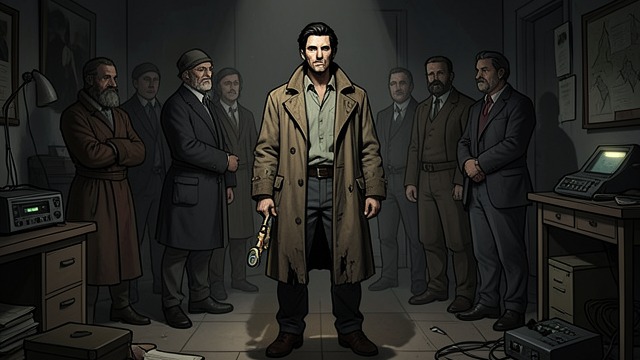
An Unfiled Attack
A rule deliberately broken
The Dojisigi Assassins are coerced into an unFiled mission against Lord Tatiseigi. The plan uses hostages and concealment instead of a lawful filing or a genuine opportunity for the target to respond.
A crisis of proof
When the plot is exposed, Ilisidi’s team preserves testimony and moves to rescue the hostages. Bren and Jase then confront the Kadagidi only after the threat has placed children and diplomatic guests at risk.
The episode makes law more than a moral ideal: evidence determines whether later force can be defended as legitimate. The conspirators’ violation threatens both their target and the credibility of the institution meant to police such actions.
Rules in the Gunfire
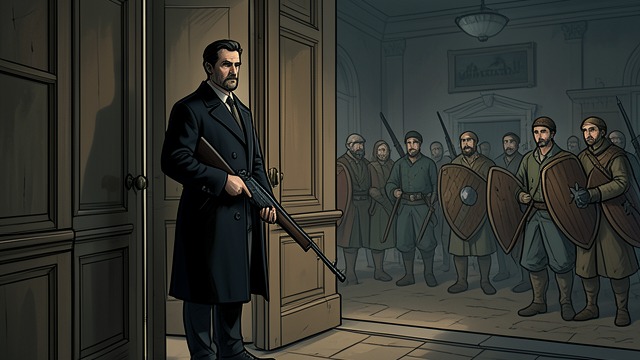
Rules in the Gunfire
Restraint at the threshold
Bren carries no firearm, and the team first seeks entry through the aiji’s lawful petition. Once Guild guards open fire, the operation shifts to defense and coordinated force.
Legitimacy after violence
After the Council chamber is secured, the documents are entered into the record and the restored Council begins its own proceedings. The participants do not treat victory alone as sufficient proof of right.
The sequence embodies the novel’s central legal dilemma: rules cannot prevent every attack, but abandoning them in response would destroy the distinction between the law and the faction that violates it.
in the prologue’s account of Guild practice
before the party leaves Tirnamardi
during the Headquarters confrontation
