
The Museum as a Meeting Ground
PeacemakerThe porcelain exhibition brings human guests, political elites, and civic history into one room, making cultural exchange visible while security tensions remain.
increasing Bearing strength in each event
 decreasing
Bearing strength in each eventdecreasingA Public Collection
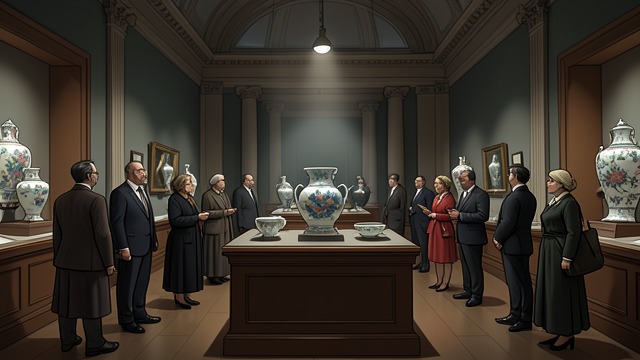
A Public Collection
Tatiseigi opens the exhibition
Lord Tatiseigi presents pieces from his porcelain collection in the Bujavid Museum. The event draws elite guests into a space that places the Atageini treasures within a broader history of regions and craft traditions.
A cultural landscape
The exhibition includes ceramics associated with the lost Southern Island and objects that connect northern history with debated accounts of the tribal peoples. The museum’s historical narrative carries political questions inside its display.
The collection makes art a way to think about inheritance and contact. Objects that appear beautiful and quiet also preserve traces of disaster, migration, and disagreement about where a people belongs.
Children Before the Cases
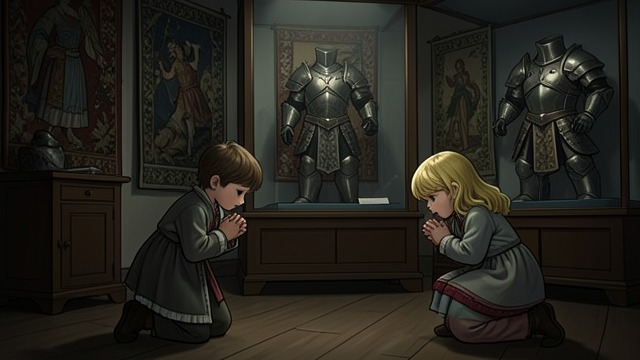
Children Before the Cases
Wonder at unfamiliar objects
Gene, Irene, and Artur are fascinated by the museum’s materials, colors, and figures. The mecheita armor and tapestries give them a way to connect the unfamiliar planet to images and stories they have already learned from Cajeiri.
Manners change the room
Their careful bows and restraint around the displays surprise observers who have never seen young humans behave in an atevi court setting. Their curiosity gradually draws smiles rather than alarm.
The children do not settle a political argument, but their presence changes its emotional texture. People encounter individuals rather than a distant human population, and Cajeiri’s bond with them becomes visible to the court.
A History in Dispute
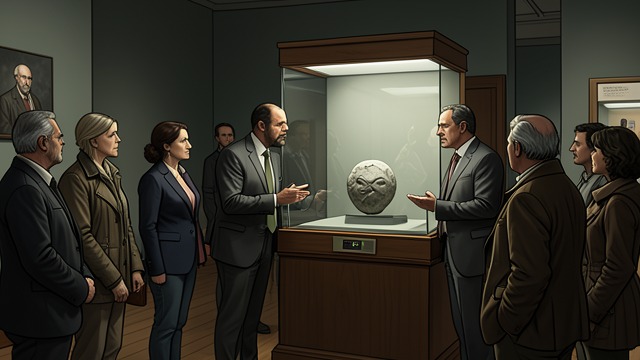
A History in Dispute
Origins become political
The museum director discusses theories linking ancient figures, southern traditions, and the Grandmother Stones. The account touches on whether the tribal peoples descend from northern or Southern Island cultures.
A subject left unresolved
The director moves away from the issue when it becomes clear that the history remains politically charged. Bren recognizes that scholarly interpretation is bound up with present arguments over identity and inclusion.
The museum reveals how public knowledge can be shaped by political caution. Even an exhibition about old porcelain must navigate contemporary disputes about ancestry, cultural ownership, and who belongs within the aishidi’tat.
during the afternoon museum reception
as the children enter the museum
during the museum director’s remarks
