
Memory as a Living Presence
Pedro PáramoThis flow follows memories that survive as voices, dreams, and images, binding the living and dead to a past that Comala cannot bury.
increasing Bearing strength in each event
 decreasing
Bearing strength in each eventdecreasingA Mother’s Landscape
Memory Guides the Journey
Dolores’s Images
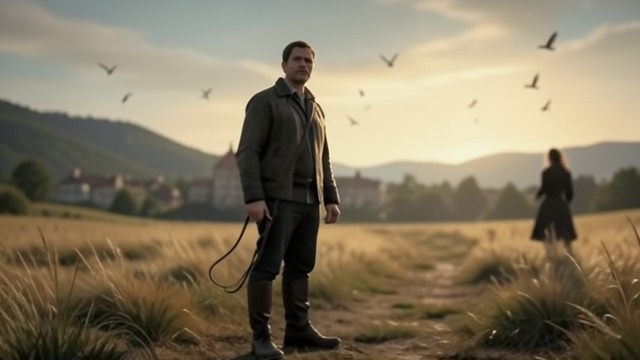
Juan sees Comala through his mother’s recollections of fields, light, and village sounds. Her memory gives him a way to imagine the town before he encounters its present condition.
The Past Replaces the Guide
Dolores is dead, yet her voice accompanies him more closely than the people he meets. Memory becomes a form of presence that comforts Juan while also misleading him about what awaits.
The Picture in Juan’s Pocket
A Photograph as Proof
An Image of His Mother
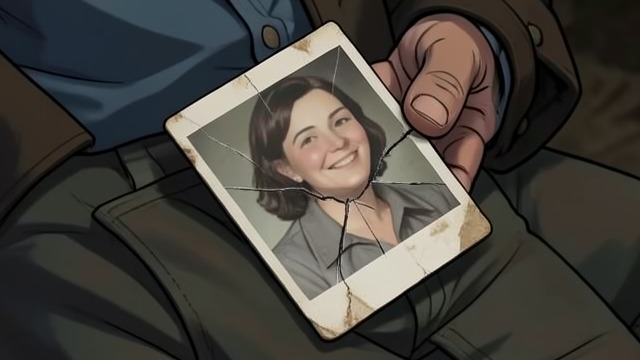
Juan carries Dolores’s old photograph, damaged near the heart. He imagines that it may help Pedro recognize him, giving a fragile image the burden of establishing kinship.
Recognition Delayed
The photograph cannot create the meeting Juan hopes for. Like memory itself, it preserves a trace of the past but cannot make the absent person present in the way he needs.
The Sound of Past Lives
Memory Escapes Its Speakers
Conversations Without Bodies
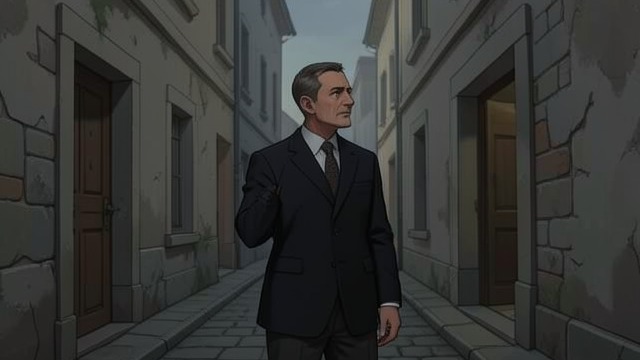
Juan hears old dialogues, cries, and songs through walls and across streets. The voices are fragments of lives that continue after the people who spoke them have died.
A Shared Acoustic Past
The town’s past is not narrated from a safe distance; it surrounds Juan as a present force. What history cannot resolve returns as sound and physical fear.
Pedro’s Repeated Farewell
Susana in the Ruler’s Memory
The Departure Recalled
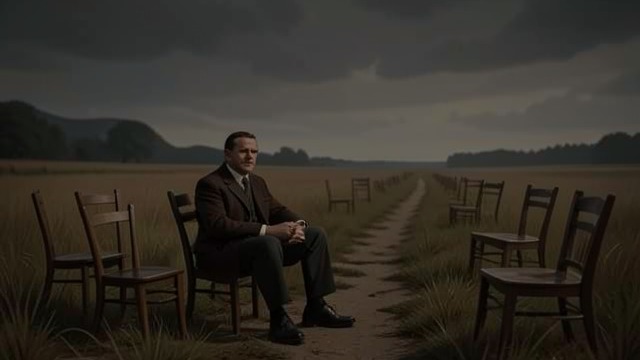
Pedro remembers Susana leaving along a path toward the sky and calls after her to return. The image returns as though replaying a moment that cannot be changed.
Memory Replaces the Present
He sits apart from the town, living among remembered images instead of responding to the world around him. The past becomes both his last attachment and a barrier against responsibility.
Voices After Burial
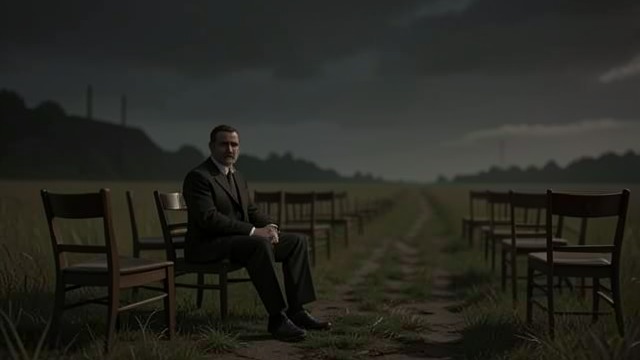
Memory Outlasts the Body
The Dead Recall the Living
Juan and Dorotea recount their pasts while hearing Susana and other voices nearby. Burial does not end narration; it changes the speakers’ relation to time and place.
Comala as an Archive
The town’s echoes preserve individual memories without organizing them into a single, settled history. The dead remain present because their experiences have not been answered or forgotten.
On the road to Comala
During Juan’s descent toward Comala
During Juan’s nights in Comala
Before Pedro’s final collapse
After Juan and Dorotea are buried
