
Father Rentería’s Compromise
Pedro PáramoThis flow traces Padre Rentería’s dependence on Pedro, his repeated moral concessions, and the crisis that pushes him from priestly service toward armed rebellion.
increasing Bearing strength in each event
 decreasing
Bearing strength in each eventdecreasingA Priest Under Patronage
The Cost of Dependence
Unequal Parishioners
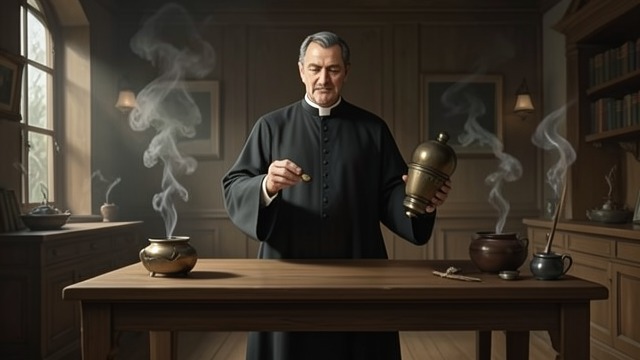
Padre Rentería relies on gifts from wealthy households while poor people cannot afford elaborate rites. His dependence makes it difficult to treat all souls equally, even when he recognizes that the poor have shown generosity.
A Compromised Ministry
Pedro’s money and influence reach into the church’s decisions. The priest’s spiritual office remains intact in name, but his capacity to act freely is steadily weakened.
A Soul Denied Absolution
The Limits of Mercy
A Plea for Eduviges
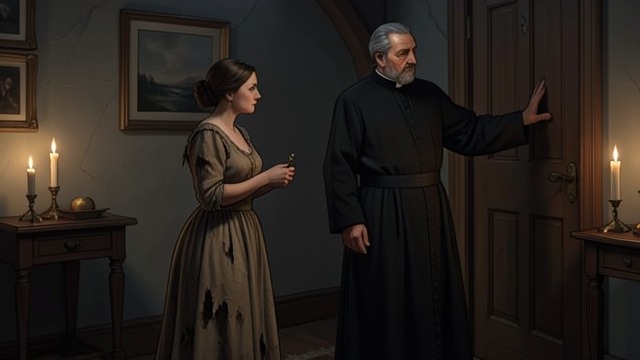
María Dyada asks Padre Rentería to help her sister, describing a life of generosity and suffering. The priest focuses on Eduviges’s suicide as a violation of religious teaching.
Mercy Measured in Money
He considers costly services but cannot provide them without payment. His refusal exposes the gap between a doctrine of salvation and a parish system in which the poor cannot purchase the rites they need.
Miguel’s Purchased Blessing
Conscience Against Payment
Public Refusal
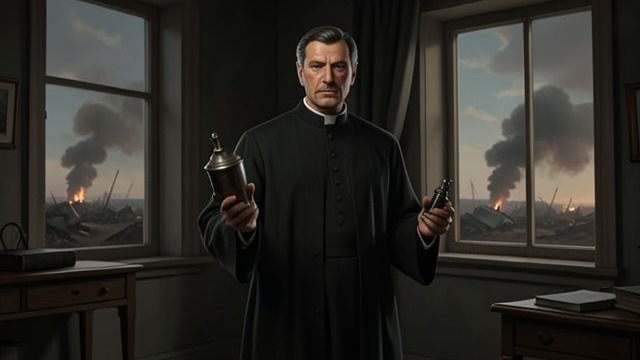
Padre Rentería initially refuses to bless Miguel, whose violence is known to him. He tells the congregation that the young man has not earned the kingdom of heaven.
The Gold Accepted
Pedro places gold at the church, and the priest performs the blessing despite his stated refusal. Alone afterward, he recognizes the spiritual cost of having yielded to the patron who sustains him.
A Refusal at Contla
Seeking Judgment Elsewhere
Confession to Another Priest
Padre Rentería seeks absolution from the priest at Contla and describes his failures under Pedro’s influence. The priest refuses to absolve him, arguing that kindness alone cannot excuse his surrender to wrongdoing.
A Ministry in Question
Rentería returns to Comala conscious that he has allowed the powerful to distort his service. His dilemma is no longer hidden from himself, even though he continues to function as a priest.
From Confessional to Rebellion
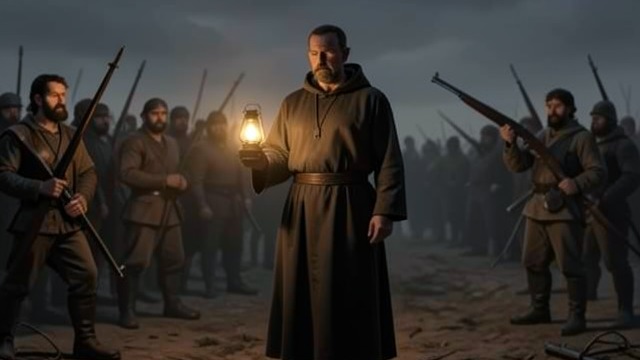
A Priest Takes Up Arms
Spiritual Authority Falters
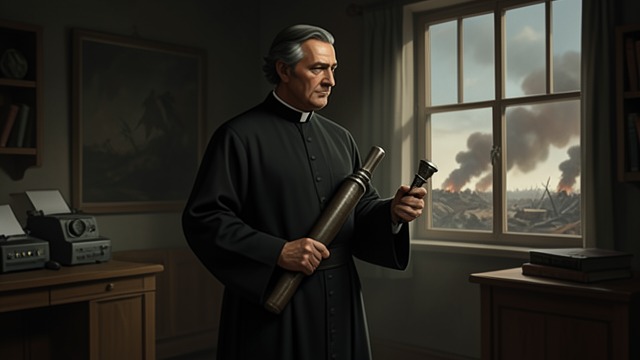
The priest’s long history of compromise leaves him unable to restore moral order in Comala. As violence spreads, his religious role gives way to participation in armed resistance.
No Easy Redemption
His decision to join the rebellion does not settle the earlier failures that haunt him. It extends his crisis into the political world, where the violence of the powerful is answered by more violence.
Before Miguel’s funeral
When María Dyada pleads for Eduviges
At Miguel’s funeral
After Miguel’s death, during Rentería’s visit to Contla
During the later armed conflicts
