Dorotea Finds Women for Miguel
Pedro PáramoDorotea’s assistance to Miguel Páramo makes her poverty and isolation part of the machinery of his sexual predation: she helped him locate women, arrange meetings, and catch them alone, then confessed that the encounters had been too numerous to count.
Background and Recruitment
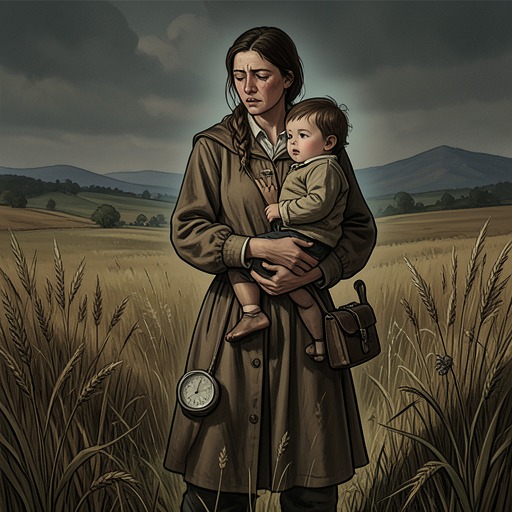
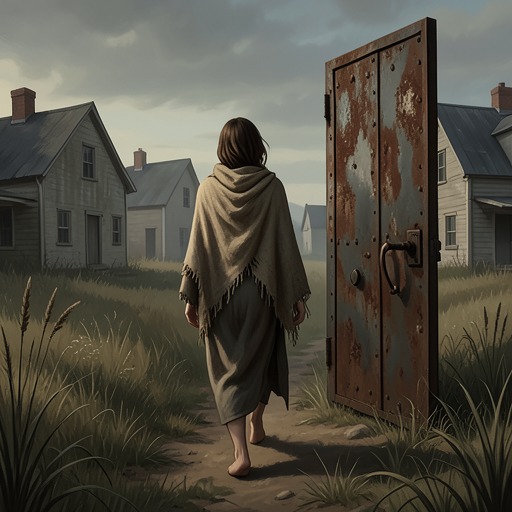
Damiana Cisneros of Media Luna describes Dorotea as a woman who rises very early to collect food for breakfast. She carries a bundle inside her shawl and rocks it as though it were her baby. Damiana suspects that some misfortune befell her, but Dorotea never discusses it, leaving the cause unknown to the people around her; she lives on alms.
When Miguel asks Damiana whether she knows Dorotea, he learns where to find her. He then considers whether the woman might be useful to him and calls her to the back door. The scene turns a brief portrait of dependence and private sorrow into the beginning of a transaction: Miguel sees an opportunity, while the nature of Dorotea’s need or circumstances remains unstated.
Confession After Miguel’s Death
Speaking to Father Rentería after Miguel Páramo’s death, Dorotea says the disclosure can no longer cause him harm. The priest asks when her part in Miguel’s sexual pursuits began; she answers that it started when he became a man and his desire first stirred. Her account makes clear that her involvement was not a single favor but a role extending across the years of his adulthood.
Dorotea specifies that her assistance took different forms: at times she brought women to Miguel, at others she arranged for them to meet, and sometimes she supplied information about when a woman would be alone and vulnerable to surprise. When Father Rentería asks how many there had been, her answer is that she lost count. The exchange turns an apparently habitual question into recognition of the scale of what she has confessed.
Father Rentería tells Dorotea that she must judge herself and see whether she can forgive herself. She says she cannot, and appeals to him to do what she cannot do. The confession therefore ends not with self-absolution but with a request for priestly absolution, placing her acknowledged complicity before the very authority whose response she needs.
Complicity and Moral Accountability
Dorotea’s role exposes how Miguel’s access to women depended not only on his own power but also on the labor of someone living at the village’s margins. Her assistance ranged from making introductions to identifying moments when women were alone, turning private knowledge into a means of ambush. Yet the confession does not explain what led her to participate, and the account of her poverty and unspoken misfortune cannot by itself establish a motive. That gap matters: the narrative names her actions and her inability to forgive herself while leaving the circumstances behind them unresolved. Her appeal to Father Rentería shifts the question from whether she was involved to whether she can receive absolution, without erasing the harm her admission reveals.
The Confession’s Narrative Function
The disclosure is framed by its timing: only after Miguel’s death does Dorotea tell Father Rentería that her account can no longer cause him harm. The exchange turns concealed, repeated assistance into a record that can finally be spoken aloud, but its delayed telling also sets a limit on what confession can repair: Miguel is beyond its reach, while the women she helped expose remain outside the conversation. Father Rentería’s questions draw the facts out almost automatically, and his effort to judge Dorotea gives way to her appeal for absolution. The scene thus makes confession both disclosure and an unresolved demand for judgment.