Les illusions, ça coûte cher.
Pedro PáramoLes illusions, ça coûte cher. is an expression about the price of hope when hope rests on something unreal. In the exchange between Juan Preciado and Dorotea, it binds two different forms of longing: his journey to find a father he has never known, and her lifelong conviction that she had a son. What costs them is not simply disappointment, but the years and choices shaped by belief before its truth can be tested.
Juan Preciado’s Hope
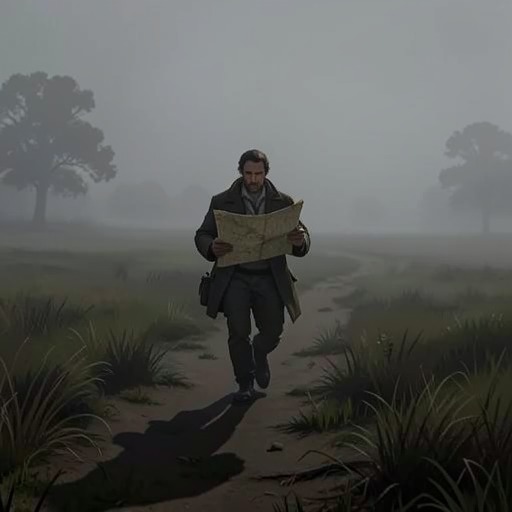
Juan explains that he came to see Pedro Páramo, who was said to be his father, and that illusions guided him. The expression answers his explanation with a warning: hope can draw someone toward a desired relationship without making that relationship secure. His search ends not in a reunion but in Comala, where the murmurs of a crowd he cannot see gather around him; he hears a plea for prayer and says his soul froze. The exchange places the cost of his illusion against the fatal reality of his arrival.
Dorotea’s Dream of a Son
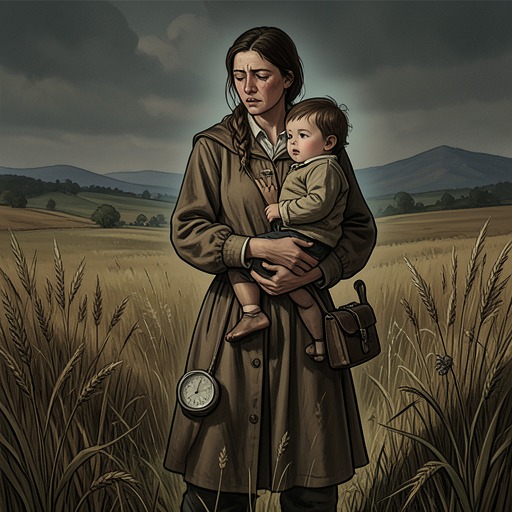
Dorotea turns the expression toward her own past. She says that illusions kept her alive longer than she should have lived, and describes the belief that she had a son as a debt she paid for mistaking an illusion for a child. Her conviction began with a dream she called blessed: she felt the infant in her arms, remembered the impression of his lowered eyelids and beating heart, and carried him wrapped in her shawl until she abruptly lost him. The bodily vividness of the memory made the dream feel like proof, even though it could not establish that the child had existed.
The Cost of Belief
The other dream, which Dorotea calls cursed, revises the first. In Heaven she searches among the angels for her son’s face, but all the faces look alike. A saint then reaches into her belly and withdraws something like a nutshell as proof that she had been given a mother’s heart without a child to keep. Her account makes the expression more than a rebuke to Juan’s hope: illusion can supply a life-giving conviction and, at the same time, exact a long, painful price. The two stories remain distinct—the son Juan seeks is a father, while the son Dorotea mourned was never born—but each is shaped by desire for a bond that reality does not provide.