Miguel Páramo
Pedro PáramoMiguel Páramo is Pedro Páramo’s son, a young man whose violence and early death reveal both his father’s protection and the cost of that protection to others. In the account Eduviges Dyada gives Juan Preciado, Miguel returns after dying on a journey to visit his lover; the horse that reaches Media Luna before him becomes the first sign that his story has crossed from life into haunting. His father, meanwhile, treats allegations against Miguel as burdens he can absorb—or dismiss—rather than wrongs requiring justice.
Identity and Background
Fulgor Sedano estimates Miguel may be seventeen. Pedro calls him a child, but Fulgor sees a young man already living violently and at such speed that he seems to be racing time. Their difference is more than a disagreement over age: Pedro uses Miguel’s youth to excuse his conduct, while Fulgor anticipates that this way of living will end badly.
Miguel’s horse is a young chestnut that Fulgor recognizes at the estate’s fence. It is still saddled, and Fulgor concludes that Miguel has not unsaddled it and will not do so. The detail points to an abrupt interruption in Miguel’s routine before anyone explains what has happened. Fulgor first notices the horse while checking what remains of the corn, worried that the crop has only just been sown and might not sustain the estate.
Life and the Fatal Journey
Miguel regularly rides to Contla to visit his lover. According to Eduviges, he usually leaves early and returns late, so the horse’s arrival at Media Luna during the night of his death is out of character. She first hears the horse galloping along the road; Juan asks whether anyone could still be alive at the estate, and she answers that no living soul is there. The sound is not evidence of an ordinary return but the opening of a story about Miguel’s death.
Eduviges says that she alone knew what happened that night. After the horse passed, she thought someone had come to her window and found Miguel there. He tells her he could not reach Contla: fog, smoke, or some indistinct obstruction seemed to hide the town, which he believes he must have passed. He says he has come to her because she will understand him and others in Comala would call him mad. His account is not a conscious admission that he is dead; Eduviges is the one who tells him that he is.
He attributes the interruption to a stone wall his father had recently built across his route. Miguel says he urged Colorado over it to avoid the long detour required to rejoin the road. The attempt to shorten his journey gives Eduviges the circumstance of his fatal ride, though her account does not show the accident itself. She recalls that people had warned him his horse would one day kill him. She tells him his father will be in great pain and asks him to go and rest in peace; then she closes the window.
Relationships and Impunity
Miguel’s relationship with his father is marked by protection rather than restraint. Fulgor reports that a bereaved woman came to the estate accusing Miguel of killing her husband. He offers her fifty hectoliters of corn as compensation, but she refuses, as does a further promise to make good the loss in some other way. Pedro asks who the victims are; when told they are strangers, he dismisses them as people who do not exist. The exchange makes the limits of his concern plain: Miguel’s conduct matters to him less than the standing of those harmed by it.
Fulgor also tells Pedro that Miguel has been accused of killing someone and recalls Pedro’s response: he tells his agent to attribute Miguel’s offenses to him, insisting that his son lacks the strength to kill. Pedro calls Miguel a child and asks his age, despite Fulgor’s warning that he is violent and fond of fighting. The conversation shows how Pedro’s authority shields Miguel in practice: blame is redirected, victims’ suffering is minimized, and the young man is left free to continue.
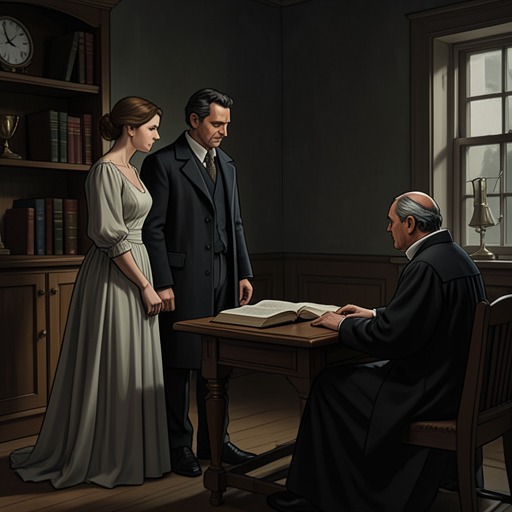
At Miguel’s funeral, Pedro kneels beside Padre Rentería and names the grievances the priest has against him: the killing of the priest’s brother, allegedly by Miguel; the violation of his niece Ana, for which he holds Miguel responsible; and other offenses and disrespect. Pedro urges the priest to forget these wrongs and forgive his son as God may have forgiven him. He leaves a handful of gold coins on the kneeler as an offering to the church. The gesture places money beside an appeal for absolution, while leaving unanswered what justice might mean for the people Miguel harmed.
Death and Narrative Significance
Miguel’s death is revealed indirectly, in stages: the horse appears at Media Luna, Eduviges recounts a nighttime visit, and she identifies the visitor as dead. The distance between her certainty and Miguel’s own explanation gives the scene its unsettling force. He can describe a failed journey and a blocked road, but he cannot recognize the decisive change that has already occurred.
His afterlife account also completes the contrast between father and son. Pedro responds to the funeral by seeking forgiveness for Miguel and offering gold; Eduviges, by contrast, tells Miguel to rest in peace and closes the window on his visit. The death that Fulgor’s warning foreshadows does not erase Miguel’s earlier accusations or Pedro’s role in shielding him. Instead, his return as a voice and rider binds the family’s living power to the unresolved consequences of his conduct.