Pedro Páramo’s starvation policy toward Comala
Pedro PáramoPedro Páramo’s starvation policy toward Comala turns private grief into collective punishment. After Susana San Juan is buried, he vows revenge on the town and carries it out by folding his arms and letting Comala go hungry. The retaliation is the starkest expression of a power already built through control of debts, land, cattle, and armed men.
Debt, marriage, and the reach of the estate
The policy’s material background appears in Pedro’s management of the estate’s debts. When Fulgor Sedano reports that the last cattle have been sold and nothing remains, Pedro does not first ask how much is owed; he asks to whom. He decides that repayment should begin with the Preciado women, the largest creditors and those to whom the family has returned the least. Their father, Don Lucas Páramo, had consistently put them last. Dolores Preciado remains mistress of the Enmedio property, making her land central to Pedro’s next move.
Pedro instructs Fulgor to seek Dolores’s hand in marriage. He tells the steward to say that he loves her, then makes clear that her money is the point. At the same time, he says the land will have no enclaves and orders Fulgor to settle the matter quickly. Marriage and debt settlement thus become instruments of consolidation: the policy’s later command over food and livelihood has a precedent in the conversion of financial obligations and personal relations into control of property.
Land and livestock as instruments of control
Pedro’s power is not confined to account books or prospective marriage. In heavy rain, two hundred mounted men ride out through the great gate of Media Luna. Fulgor directs them to move the Enmedio cattle beyond what had been Estagua and to drive the Estagua herd up to the heights of Vilmayo. The repeated instructions blur into a simple imperative to move the animals farther and farther away. The scene makes visible the estate’s capacity to mobilize labor and redistribute its herds across the countryside.
That command helps clarify the force behind the later starvation policy without proving that this particular cattle movement supplies or deprives Comala. Pedro’s authority rests on resources that can be managed, moved, and withheld. His final retaliation uses that authority not to settle accounts but to suspend the ordinary support of the town.
Armed power and political bargaining
Pedro’s dealings with armed rebels show another form of leverage. When men explain that they have risen against both the government and local landowners, accusing the latter of being thieves, Pedro asks how much money they need for their revolution and offers to help. The exchange presents him as a wealthy power broker able to turn rebellion into a negotiation over resources. His offer does not erase the rebels’ accusation; it demonstrates how readily opposition can be drawn into dependence on the very local power it contests.
Susana’s burial and the punishment of Comala
The immediate cause of the starvation policy is Susana’s death. The funeral bells draw people from Comala, Contla, and farther away; visitors arrive as if on pilgrimage, and a crowd, musicians, and even a circus gradually turn mourning into a noisy celebration. The bells stop, but the festivity does not. Few in Comala notice that Susana has been buried.
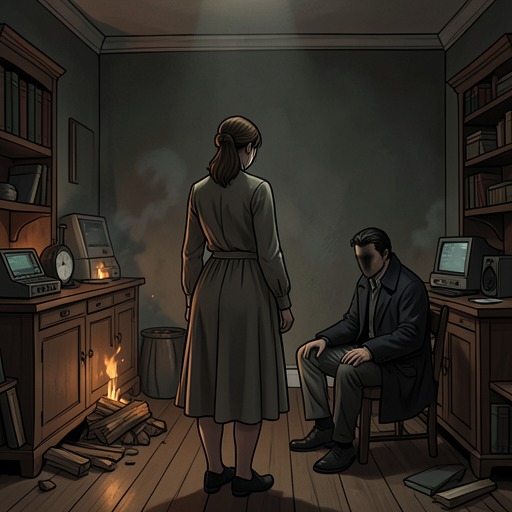
At Media Luna, the scene is the reverse. The estate is solitary and quiet; people walk barefoot and speak softly. Pedro says nothing and does not leave his room. Against this contrast between the town’s revelry and the estate’s grief, his vow to take revenge becomes a policy: he will fold his arms and Comala will die of hunger. The narration confirms that he does so. Private bereavement is thereby made to govern the lives of an entire community, and the resources that had helped establish Pedro’s dominance become the means of collective punishment.