Revolutionary Fighters Enter Comala and Kill Fulgor Sedano
Pedro PáramoThe arrival of revolutionary fighters at the Media Luna estate turns the struggle over Pedro Páramo’s land into an armed conflict and ends Fulgor Sedano’s role as the estate’s indispensable manager. Fulgor is killed while returning from an inspection of the waterworks; the survivor who brings the news describes a crowd that recognizes him as the estate’s administrator and says its members have come for Pedro’s lands. Pedro answers the challenge not by surrendering his power but by redirecting it: he negotiates with rebels, finances their force, and sends Damasio (Boa) to lead men into the revolt.
Land, Debt, and the Estate
The attack follows a long pattern in which land and debt have been instruments of Pedro’s local authority. When Fulgor reports that the estate has sold its last cattle and still owes money, Pedro shifts attention from the size of the debts to the people owed. He orders that the Preciado women be dealt with first, although they have received the least repayment, and directs Fulgor to pursue Dolores’s hand in marriage. Pedro’s stated love is a tactic tied to her money and property; he tells Fulgor to settle the arrangement quickly and releases him from his duties as steward. The episode links marriage, debt, and the consolidation of land rather than treating them as separate matters.
Fulgor’s later work shows how that consolidation is enforced materially. At the start of the rains, two hundred horsemen ride out from the Media Luna under his instructions to move cattle from Enmedio beyond the former Estagua and drive Estagua’s herd toward the high ground at Vilmayo. The estate’s reach is expressed through the directed movement of animals across the countryside. Against that background, the insurgents’ declaration that they have come for Pedro’s lands is more than a general political threat: it challenges the territorial system Fulgor has helped administer.
Fulgor Sedano’s Death
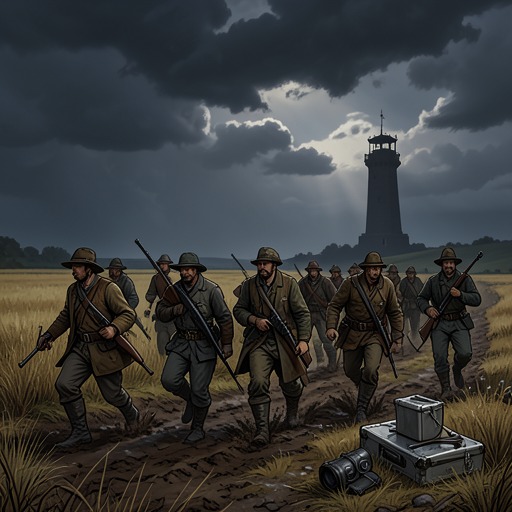
A man known as the Stammerer arrives at the Media Luna and asks to speak with Pedro. He explains that he accompanied Fulgor toward the water channels to investigate why the water level was falling. On the way, a group of armed men confronted them. One voice identified Fulgor as the steward of the Media Luna, and the group announced that its members were revolutionaries who had come for Pedro’s land.
The men ordered Fulgor to release his animal and run back to warn his employer. Fulgor fled, but his weight slowed him; the messenger says the attackers killed him as he ran, leaving him with one leg raised and the other on the ground. The survivor stayed still, waited until night, and then carried the news to the estate. His account makes the killing both a personal loss and a public message: the insurgents know who manages the estate and intend their challenge to reach its owner. Pedro responds by summoning Damasio, whom he needs as an armed agent, and dismisses the rebels as troublemakers rather than treating the killing as a reason to relinquish control.
Pedro’s Bargain with the Rebels
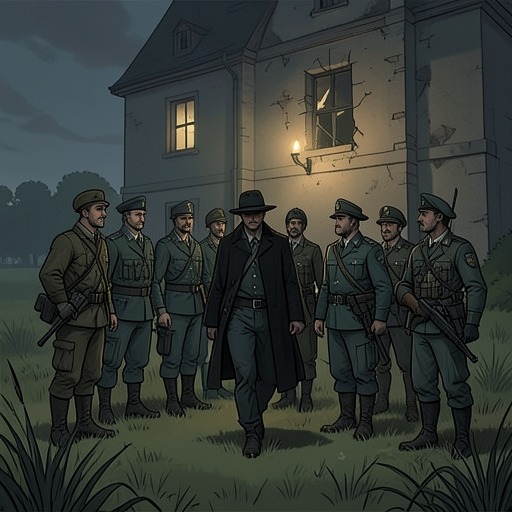
Later, around twenty armed men arrive at the Media Luna carrying rifles and bandoliers. Pedro invites them to dinner. They sit without removing their hats and eat in silence; only the sounds of drinking chocolate and chewing tortillas break it. The stillness at the table contrasts with the open threat represented by their weapons. When the meal ends, Pedro asks how he can be of service.
The men describe a revolt against both the government and Pedro. One speaker accuses the government of being vile and Pedro of being a gang of thieves; another argues that an armed movement needs a rich man’s support. Asked what they require, the group first raises the prospect of twenty thousand pesos, then fifty thousand. Pedro offers one hundred thousand pesos and asks how many men they have. They answer that they number three hundred.
Pedro’s response is calculated accommodation. He promises another three hundred men to increase their contingent, offering the money as a gift but describing the men as a loan to be returned when no longer needed. The rebels accept the arrangement, and Pedro sets a week for the promised resources. Their accusation and his offer are not reconciled; instead, political rebellion is drawn into the estate owner’s network of money, manpower, and obligation.
Damasio’s Command and the Shifting Revolt
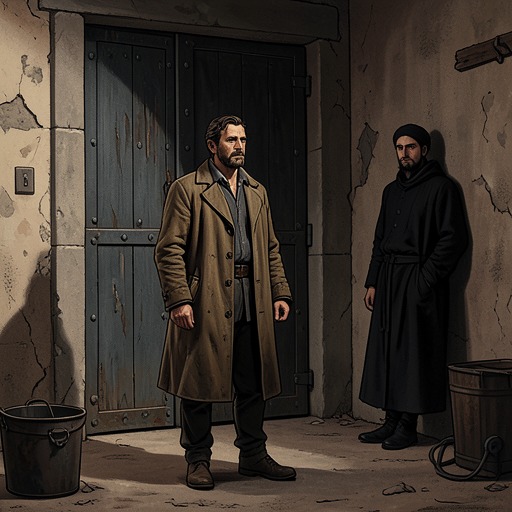
After the visitors leave, Damasio guesses that their real leader was the large man seated in the middle. Pedro rejects that reading: Damasio himself, he says, will command the force. Damasio welcomes the prospect because he enjoys fighting. Pedro tells him to gather three hundred trusted men, join the insurgents, and represent the force as the promised reinforcement. The assignment makes Damasio the link between Pedro’s estate and a movement originally presented as hostile to him.
The arrangement proves unstable. When Damasio later returns, Pedro asks whether he has been beaten. Damasio denies it and says his band is intact: he has brought seven hundred men and others who joined along the way. He explains that some of his men, impatient with inactivity, fired on what they thought was a small group but discovered was an army of Villistas. Asked where these fighters came from, he says they have come from the north and take whatever they find. Pedro advises him to join the stronger side. Damasio says that he already has, but explains that he has returned to plead for his men. Pedro refuses to supply more resources and instead urges him to attack Contla, whose wealthy inhabitants could be robbed. In this exchange, revolutionary affiliation becomes less a settled allegiance than a changing balance of force and opportunity.
Wider Consequences
Fulgor’s death therefore marks a change in the manner, not the disappearance, of Pedro’s authority. His steward is gone, and armed opponents openly claim the land; yet Pedro answers by negotiating, lending troops, choosing a commander, and advising that commander to plunder a wealthy town. The estate’s power adapts by entering the conflict it cannot simply exclude.
The violence belongs to a larger unraveling at the Media Luna and in Comala. After Susana San Juan is buried, the estate is described as silent while the village continues its celebration; Pedro vows revenge and says he will fold his arms and let Comala starve. That later policy makes the political stakes of the earlier confrontation plain: Pedro’s control extends beyond property and armed men to the food on which the village depends. The revolt threatens his dominion, but his response shows how readily he turns resources and deprivation into instruments of power.