Susana San Juan and Bartolomé San Juan: Father and Daughter
Pedro PáramoSusana San Juan and Bartolomé San Juan: Father and Daughter are defined by an intimate but fractured bond: Bartolomé speaks as a father claiming authority over his daughter, while Susana’s replies expose how little that claim governs her. Their return to Comala places them in a dependent position before Pedro Páramo, whose desire for Susana turns the father-daughter relationship into the target of a calculated scheme. Bartolomé recognizes the danger, but his effort to defend Susana cannot overcome Pedro’s power or her emotional distance from him.
Return to Comala and a father’s warning
Bartolomé describes Comala as a place that weighs on those who live there. Away from it, he recalls, they could watch clouds forming, birds, and moss; in Comala, he expects only a pervasive, stale and sharp smell, and believes the village is steeped in misfortune. His sense that there can be no salvation there gives the family’s return a foreboding quality. It is not presented as a homecoming free of obligation: Pedro asked them to come back, lent them his house, and provided what they needed. Bartolomé says he had expected this generosity to carry a price, and had been prepared to repay it through work.
That expected exchange takes a decisive turn when Bartolomé reports what happened after he gave Pedro a detailed account of La Andrómeda. He explained the mines’ potential if they were worked methodically; Pedro answered that the mines were not what interested him, and that he wanted Bartolomé’s daughter. The contrast makes the father’s labor and expertise seem almost beside the point. What he offers as a practical means of repayment cannot satisfy the demand Pedro has made: Susana herself has become the price he names.
Susana’s place in the conflict
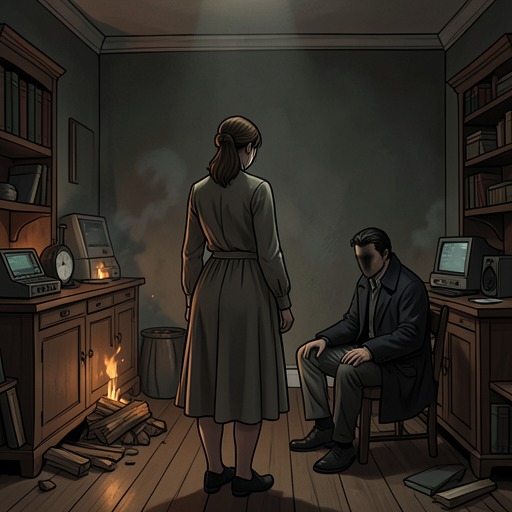
Bartolomé tells Susana that Pedro claims to have known her when they were children: they played together and bathed in a river. Bartolomé says he had not known of this past. His response is possessive and violent in its implication: had he known, he says, he would have beaten her with a belt. The recollection therefore does not become a tender shared memory. It is reported by the father as evidence of a history between Susana and Pedro, and answered by a threat that treats the daughter’s childhood conduct as something over which he should have exercised control.
Susana does not respond with the alarm her father seems to expect. When he asks whether she is prepared to sleep with Pedro, she answers that she is. She also acknowledges that Pedro is married and has had many women. Her blunt assent gives the exchange its sharpest contrast: Bartolomé describes Pedro as wicked and tries to dissuade him from pursuing Susana, but Susana does not echo her father’s warning or present herself as persuaded by it. The scene does not explain her answer or make it a declaration of affection. It establishes instead that her stated willingness and Bartolomé’s protective opposition stand side by side.
A bond under strain
Bartolomé’s insistence that Susana call him her father makes the strain in their relationship explicit. He rejects being addressed by his given name and demands recognition of his paternal place. Susana’s reply that she knows this does not resolve the dispute; it leaves the title acknowledged while showing that the authority Bartolomé attaches to it is not secure between them. He then interprets her conduct as a denial of him and asks whether she is mad. Susana confirms that she is, treating the accusation not as a discovery he has made but as something he should already have understood.
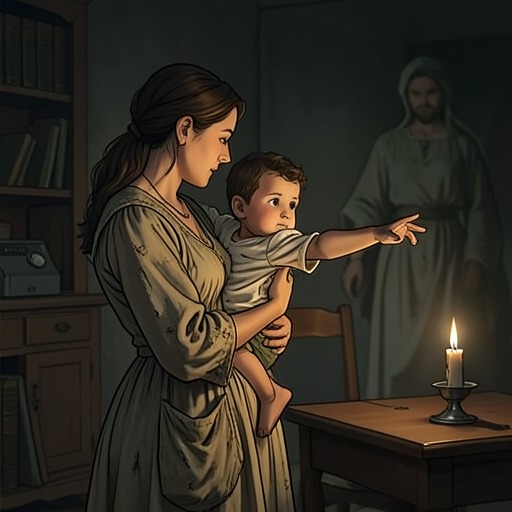
His appeal to shared vulnerability does not restore their closeness. Bartolomé speaks of a world that oppresses them, scatters their dust, and sheds their blood; he asks what they have done and why their souls have become corrupt. He recalls that Susana’s mother believed they still had God’s charity, and accuses Susana of renouncing that hope as well as renouncing him as her father. In this speech, paternal recognition, religious consolation, and fear of suffering run together. Susana’s answer, however, does not reassure him. His questions about her sanity and her refusal to meet his appeal reveal a father trying to name a bond whose emotional authority he cannot command.
Pedro’s plan and the threatened separation
Bartolomé also tells Pedro that Susana, though widowed, still lives with her husband—or at least conducts herself as though she does. He says he has tried to change Pedro’s mind, but that Pedro becomes crafty when he speaks to him and closes his eyes whenever Susana’s name is mentioned. Bartolomé’s account presents him as resisting the demand, not bargaining away his daughter; he calls Pedro wicked and makes clear that he has tried to prevent the match.
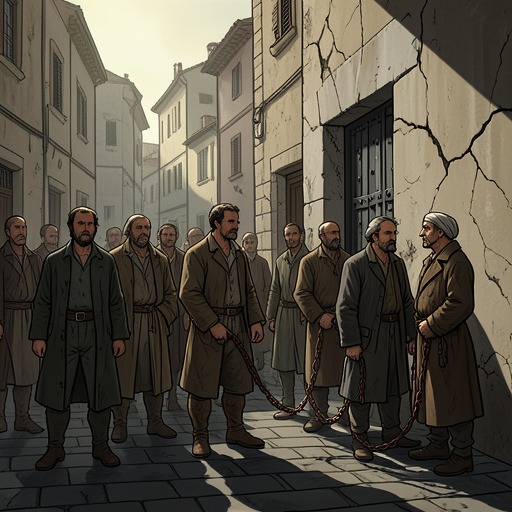
Pedro answers this resistance with a plan directed at Bartolomé himself. He describes Susana as the most beautiful woman on earth and says he has no wish to lose her again. He orders Fulgor Sedano to send her father back to work the mines and suggests that the old man can be made to disappear in the remote mining country. He disguises the purpose as protection, insisting that Susana must be made an orphan and that they have a duty to protect her. When Fulgor questions whether she might learn what happened, Pedro dismisses the possibility and orders him to act.
The narrative identifies Bartolomé as a dead miner and Susana as the daughter of a miner who died in the mines of La Andrómeda; Bartolomé himself anticipates that he will have to go there to die. This language places death close to the family bond even as the account moves among recollection, threat, and action. The decisive rupture is not a reconciliation or a mutually accepted separation: Pedro’s desire makes Bartolomé an obstacle to be removed. Fatherhood, which Bartolomé invokes as a claim on Susana, offers no protection against the man who can convert that claim into a reason to eliminate him.