
Pet Sematary
Pet Sematary is a horror novel by American author Stephen King, first published on November 14, 1983, by Doubleday. It is widely regarded as one of King's darkest and most unsettling works, and King himself initially considered it too frightening to release, locking the manuscript in a drawer for years. He only submitted it as a contractual obligation and refused to do any publicity or interviews for it, yet the book became his first mega-blockbuster, with an initial print run of 500,000 copies. The novel was nominated for the World Fantasy Award for Best Novel in 1984. The title originates from a real misspelled sign near King's home in Maine, where local children had written 'Pet Sematary' instead of 'Pet Cemetery,' a detail that captures the blend of childlike innocence and creeping dread that permeates the story.
The plot follows Dr. Louis Creed, who moves with his wife Rachel, five-year-old daughter Ellie, toddler son Gage, and their cat Church from Chicago to the small town of Ludlow, Maine. Their house sits next to a busy highway where large trucks frequently speed past. The friendly elderly neighbor, Jud Crandall, introduces the family to a pet cemetery hidden in the woods, where generations of local children have buried their beloved animals. Beyond this cemetery lies an ancient Micmac burial ground that possesses the power to resurrect the dead—but the returned beings are twisted, malevolent versions of their former selves. After Church is killed by a truck, Louis buries him in the Micmac ground, and the cat returns as a vicious, reeking creature. Tragedy strikes again when Gage is also run over and killed. Overwhelmed by grief and ignoring the ghostly warnings of a dead student named Victor Pascow, Louis repeats the ritual, digging up and burying his son in the cursed ground. Gage comes back as a murderous entity, killing Jud and then Rachel, and Louis is forced to destroy his own child. In the novel's devastating final scene, Louis, now completely unhinged, prepares to resurrect Rachel as well, leaving the reader with a sense of inescapable doom.
Core themes include the irrationality of grief, the refusal to accept death, and the catastrophic consequences of tampering with natural laws. King explores how love and loss can drive a person to commit unspeakable acts, and how the boundary between sanity and madness collapses under the weight of despair. The novel also examines family dynamics, the fear of losing a child, and the eerie isolation of rural life. King's writing is grounded in realistic detail—the daily routines of the Creed family, the mundane horror of the highway—making the supernatural elements feel chillingly plausible. The book's lasting influence is evident in its two film adaptations (1989 and 2019), its numerous references in popular culture, and its status as a touchstone of modern horror literature. Pet Sematary remains a powerful meditation on the darkest corners of the human heart, where even love can become a curse.
The novel has inspired several musical works. The Ramones recorded a song of the same name for the 1989 film adaptation, which appeared on their album Brain Drain. This track was later covered by Starcrawler for the 2019 film adaptation. Additionally, the metalcore band Ice Nine Kills released a song titled "Funeral Derangements" based on the book and its film adaptations, accompanied by a music video that adapts the story's narrative.
About the Author
Stephen Edwin King was born on September 21, 1947, in Portland, Maine, the second son of Donald and Nellie Ruth Pillsbury King. His father, a merchant seaman, abandoned the family when King was just two years old, leaving his mother to raise him and his older brother David alone. The family moved frequently, living in Fort Wayne, Indiana, and Stratford, Connecticut, before settling permanently in Durham, Maine, when King was eleven. His mother worked in the kitchen of a nearby residential facility for the mentally challenged. King developed a love for reading and writing early on; at age six, he wrote a story about 'Mr. Rabbit and His Friends' and received a dollar from his mother. He attended the University of Maine, graduating in 1970 with a Bachelor of Arts in English. At university, he wrote a column for the student newspaper and met his future wife, Tabitha Spruce. They married in 1971 and have three children: Naomi, Joe (who writes as Joe Hill), and Owen (also a writer).
After college, King struggled to find a teaching job and worked at a laundry facility, processing soiled linens from hospitals and restaurants. During this time, he continued writing short stories, many of which were rejected. In 1973, he wrote 'Carrie,' a novel about a bullied telekinetic teenager, after his wife retrieved the manuscript from the trash. The book was published in 1974 and sold for a $400,000 advance, catapulting King to fame. He quit his day job and became a full-time writer. King's prolific output includes over 60 novels, with major works such as 'The Shining' (1977), 'The Stand' (1978), 'Pet Sematary' (1983), 'It' (1986), 'Misery' (1987), and the 'Dark Tower' series (1982–2012). He also wrote under the pseudonym Richard Bachman, publishing novels such as 'Rage' (1979) and 'Thinner' (1984).
King battled addiction to alcohol and drugs in the 1980s, culminating in an intervention by his wife in 1987; he entered rehab and has remained sober since. In 1999, he was struck by a van while walking near his home, suffering severe injuries that required multiple surgeries; he documented his recovery in the memoir 'On Writing' (2000). King's works have sold over 350 million copies worldwide and have been adapted into numerous films, television series, and comic books. He has received the National Book Award's Medal of Distinguished Contribution to American Letters (2003), the World Fantasy Award for Life Achievement (2004), and the Edgar Allan Poe Award for Special Achievement (2007). Dubbed the 'King of Horror,' his influence on the horror genre and popular culture is immense. King continues to write and publish new works, residing in Bangor, Maine, with his wife Tabitha.
StoryFlow
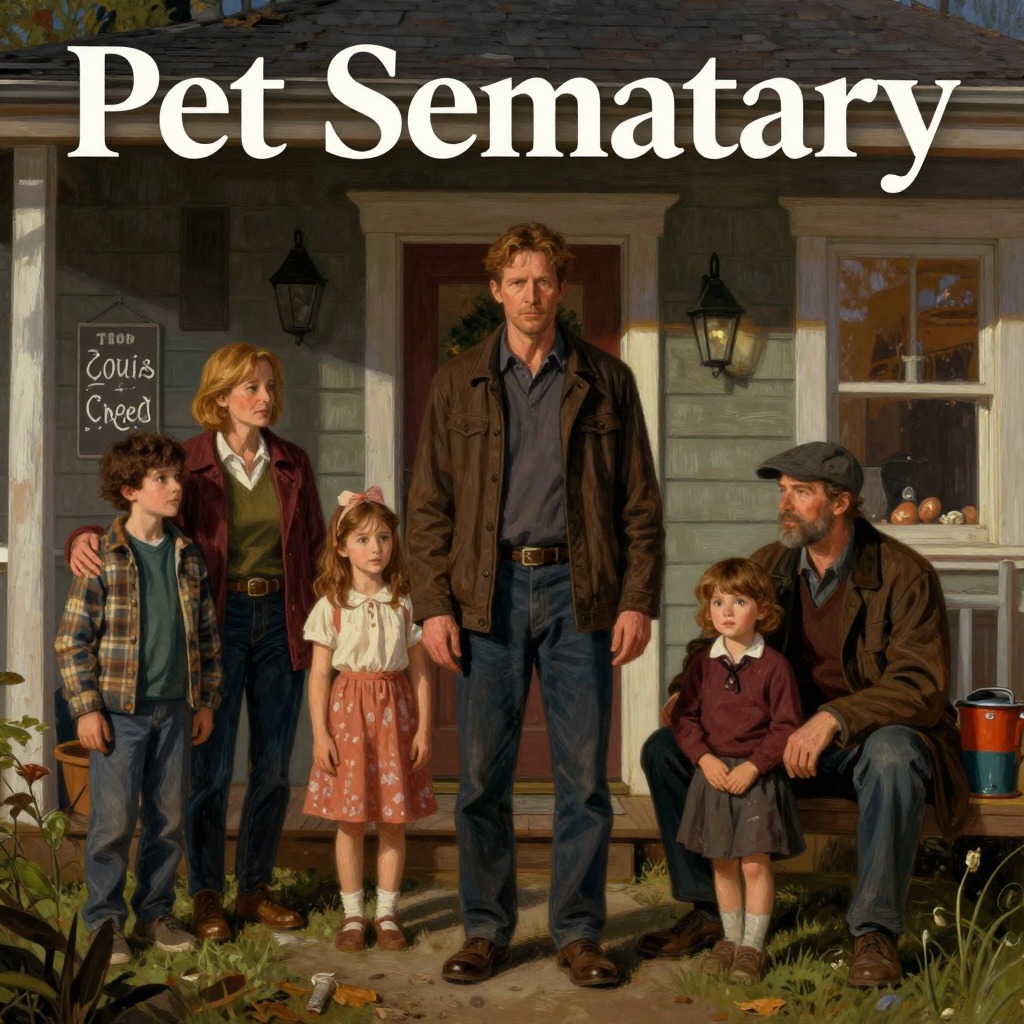
Louis Creed's Move to Ludlow and New Life
Louis Creed moves his family from Chicago to Ludlow, Maine, and begins a new job as director of the university infirmary, forming a deep friendship with neighbor Jud Crandall.
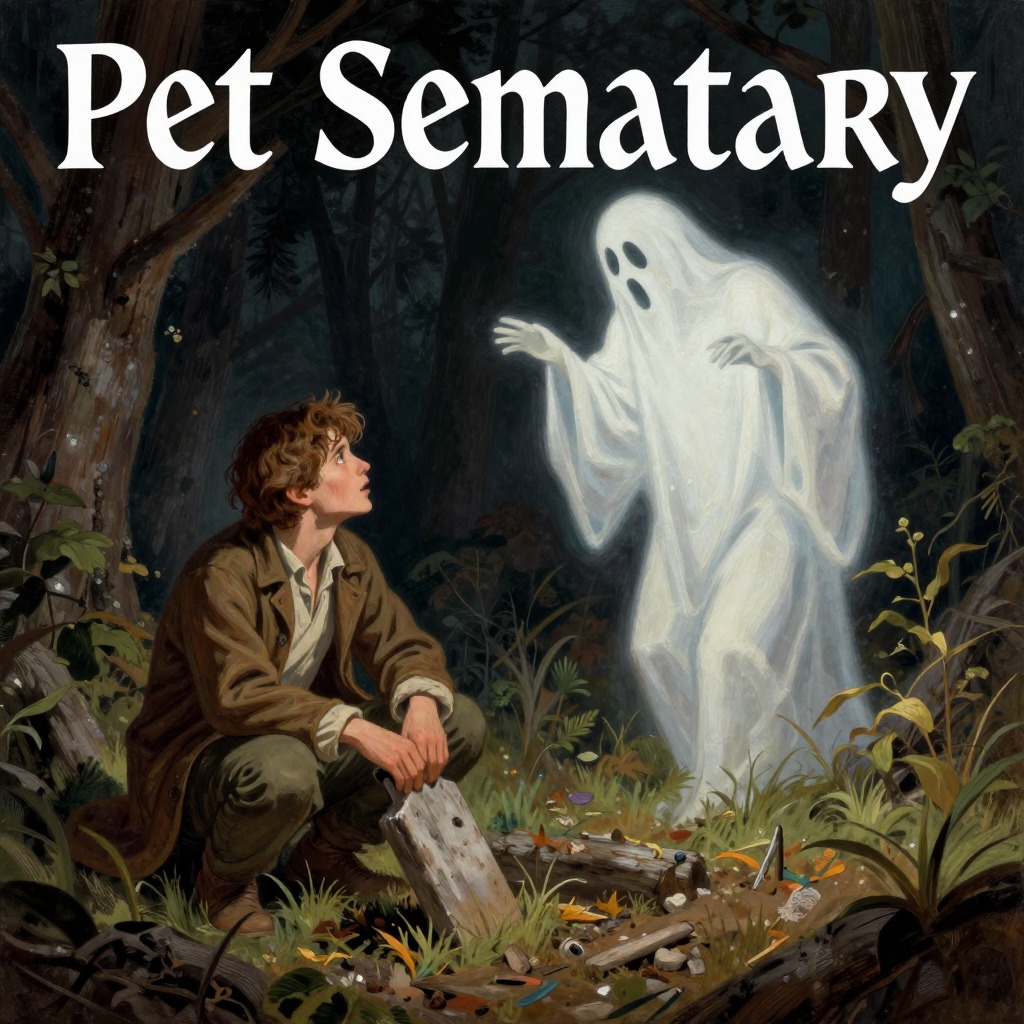
Victor Pascow's Ghostly Warnings
The ghost of Victor Pascow appears to Louis in dreams and to Ellie in visions, warning against the power of the Micmac burying ground.
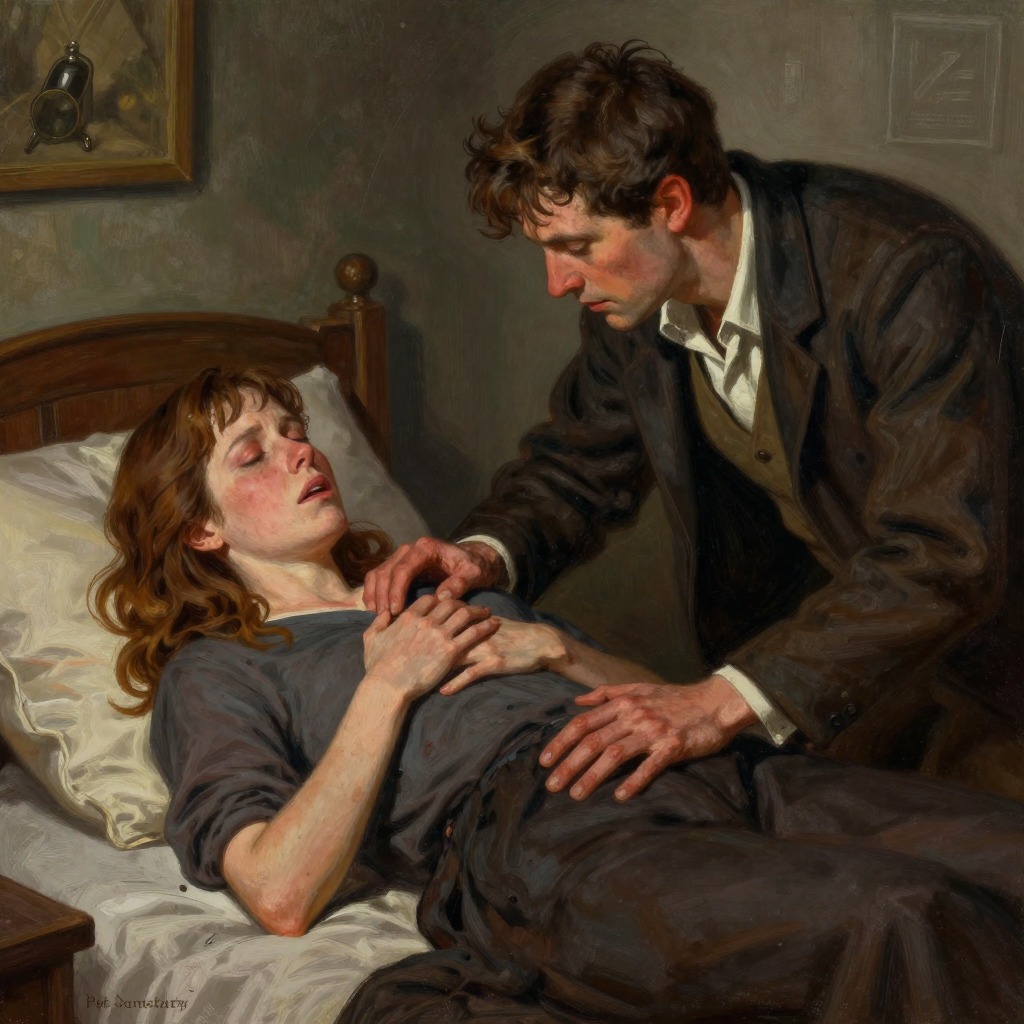
Norma Crandall's Illness and Death
Norma Crandall suffers a heart attack, is saved by Louis, but later dies of a stroke, deepening Jud's grief and his connection to Louis.
