
Compassion as a Measure of Growth
Pinocchio (Tania Zamorsky Edition)Pinocchio’s responses to vulnerable creatures reveal that his moral growth begins in spontaneous mercy and matures into consistent, thoughtful care.
increasing Bearing strength in each event
 decreasing
Bearing strength in each eventdecreasingMangiafoco’s Stifled Cruelty

Mercy in an Unlikely Place
A Frightening Master
Mangiafoco initially chooses Pinocchio as fuel for his dinner, treating a living puppet as a practical substitute for firewood. His frightening appearance makes the threat seem nearly absolute.
Compassion Emerges
Pinocchio’s fear moves Mangiafoco to relent, and Pinocchio then pleads for Arlecchino’s life at the cost of his own. The scene suggests that mercy can awaken in more than one character, though it will take Pinocchio longer to live by it consistently.
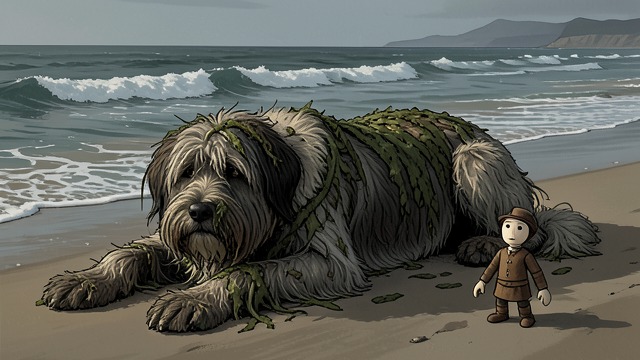
The Mastiff in Peril
Mercy Beyond Self-Interest
A Former Pursuer
Alidoro has chased Pinocchio and nearly caught him, but the sea leaves the dog helpless. The immediate danger appears to offer the puppet a chance to rid himself of a threat.
A Rescue Chosen
Pinocchio turns back, saves Alidoro, and trusts him enough to part as a friend. The decision is not demanded by authority or reward; it is a voluntary response to another creature’s suffering.
Honesty at a Cost
Integrity Under Temptation
The Weasels’ Offer
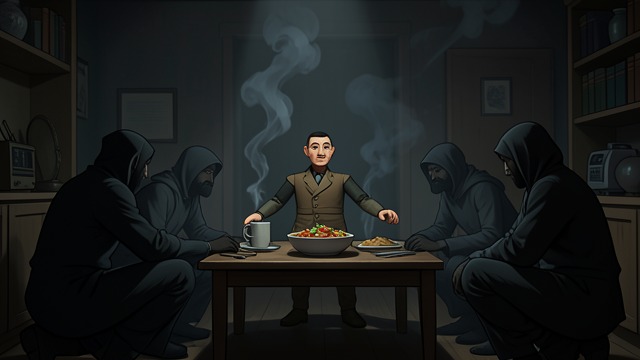
The Weasels invite Pinocchio to take part in stealing hens, promising him a share of the meal. Hunger and resentment might make their bargain attractive to someone accustomed to easy rewards.
Loyalty Chosen
Pinocchio rejects the offer, traps the thieves, and alerts the farmer. He does not exploit Melampo’s earlier betrayal to accuse the dead dog, showing both honesty and restraint in a situation where he could gain satisfaction by shifting blame.
The Father’s Escape

Compassion Under Risk
A Shared Danger
Geppetto is old, exhausted, and unable to swim. Pinocchio could attempt to escape alone, but he instead plans a route that includes his father.
Action Without Applause
He carries Geppetto into the sea and keeps swimming even as his strength fails. Compassion here is more demanding than a generous speech: it accepts physical danger and persists until help arrives.
Savings Given Away
Generosity Sustained
A Personal Want
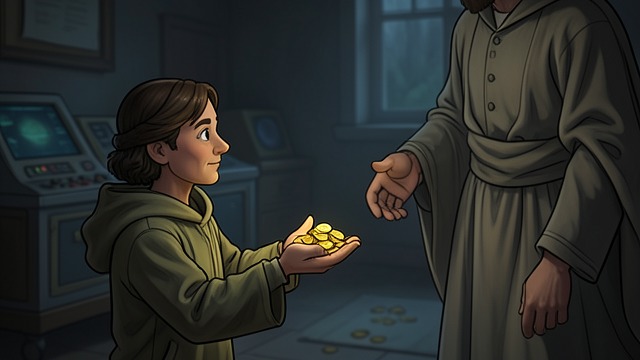
Pinocchio has saved forty coins for new clothes after months of hard work. The money represents a legitimate reward that he has earned for himself.
Another Person’s Need
He gives the entire sum to help the ill Fairy and promises to work longer. His final generosity grows out of sustained attention to others, joining compassion to the labor and loyalty that make his transformation credible.
During the first night at the puppet theater
After Pinocchio reaches the sea while escaping the Carabinieri
During Pinocchio’s service as a henhouse guard
Inside the Great Shark near the end
In the final months before Pinocchio becomes a boy
