
The Hunger That Teaches
Pinocchio (Tania Zamorsky Edition)Hunger repeatedly exposes Pinocchio’s dependence on others and presses him from childish demands toward work, restraint, and responsibility.
increasing Bearing strength in each event
 decreasing
Bearing strength in each eventdecreasingThe Painted Supper
Appetite Meets Illusion
An Empty Room
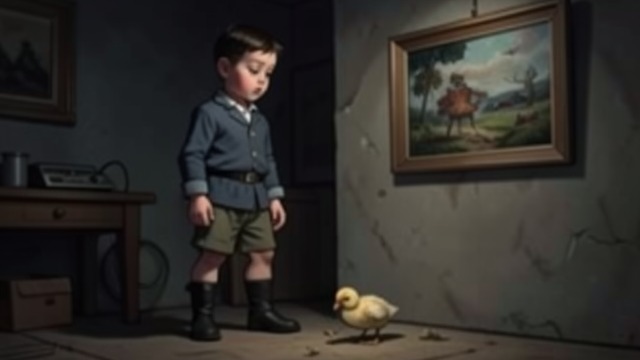
Pinocchio searches Geppetto’s home for food, only to discover that the boiling pot on the wall is painted. The comic disappointment makes poverty tangible: there is no meal hidden behind the appearance of comfort.
A Failed Egg
He finds an egg in rubbish, but a lively chick escapes before he can cook it. Hunger is not immediately relieved, and the puppet begins to understand the cost of having driven away the person who fed him.
The Cold Night’s Lesson
Hunger and Hardship
A Request for Bread
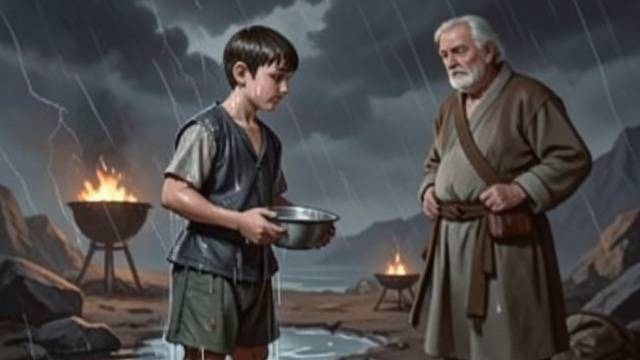
Pinocchio reaches a nearby village in a storm and asks a householder for food. The old man answers with a basin of water, leaving the puppet soaked rather than satisfied.
Careless Sleep
Back home, Pinocchio puts his wet feet near the brazier and falls asleep. They burn away, turning discomfort into a lasting consequence that Geppetto must repair when he returns.
Eating What Is Offered
Learning Necessity
Delicacy First
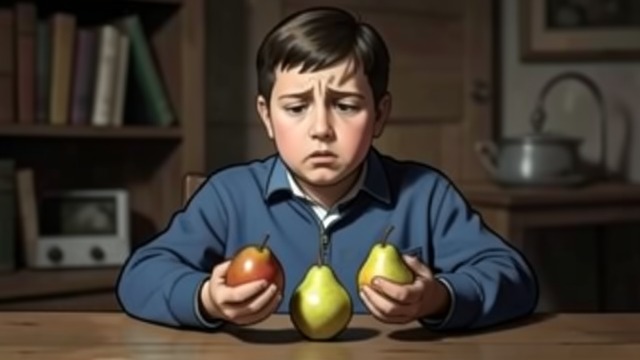
Geppetto gives Pinocchio his own breakfast of three pears. Pinocchio initially insists that the fruit be peeled and rejects the idea of eating the skins and cores.
A Changed Appetite
After finishing the fruit, he asks for more and finally eats the discarded peels and cores. The episode turns scarcity into a practical lesson: the body’s need can undo the fussiness that once seemed absolute.
Labor Instead of Alms
Bread Through Work
Refusing the Carters
Pinocchio asks a coal worker and a mason for money but refuses their offers of paid labor. His hunger continues because pride and laziness matter to him more than the food he needs.
A First Task
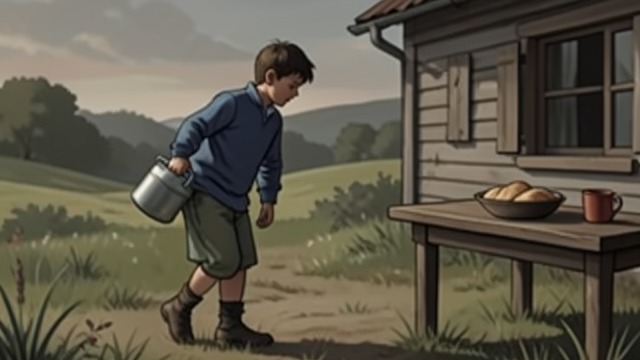
A woman offers bread and a meal in exchange for carrying a water jar. Pinocchio accepts, and the food that follows is earned through effort, establishing the practical link between work and sustenance.
The Earned Glass of Milk
Sustenance Earned
A Price He Can Meet
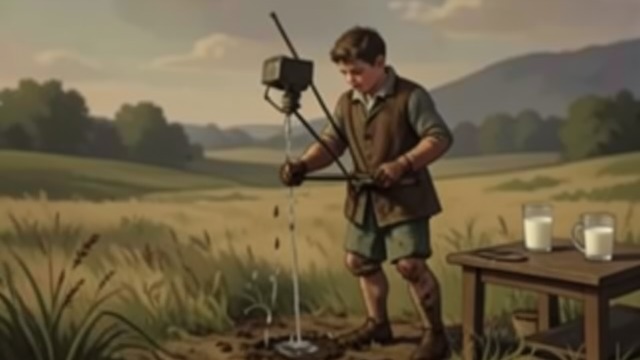
Pinocchio needs milk for Geppetto but has no money. The gardener Giangio offers a bargain: a glass of milk in return for operating the water-lifting device.
A Habit of Effort
Pinocchio sweats through the work and continues earning his father’s milk each morning. His appetite has become bound to service and responsibility, completing a movement from desperate demand toward useful labor.
On Pinocchio’s first night alone
During the storm after the failed egg
When Geppetto returns with three pears
On Pinocchio’s arrival at the Island of the Industrious Bees
After Pinocchio and Geppetto escape the Great Shark
