Geppetto Makes Pinocchio New Feet and Sells His Coat to Buy a Primer
Pinocchio (Tania Zamorsky Edition)Geppetto’s repair of Pinocchio’s burned feet and sale of his coat for a primer turn a night of hunger and heedlessness into a scene of practical fatherly care. The two acts meet different needs: one restores Pinocchio’s ability to stand and walk, while the other makes schooling possible. Geppetto gives up his own protection against the cold so his son can begin learning, making education the consequence of a sacrifice rather than a gift without cost.
Background and the burned feet
The episode follows Pinocchio’s flight from home and the hunger that leaves him searching for food. He has already rejected the Talking Cricket’s warning; now he recognizes that, had he stayed home and his father been there, he would not be starving. When his hunger drives him out to seek charity, he finds the nearby village shut and deserted. A storm intensifies the night’s hardship, and a man at a window answers Pinocchio’s request for bread by emptying a basin of water over him.
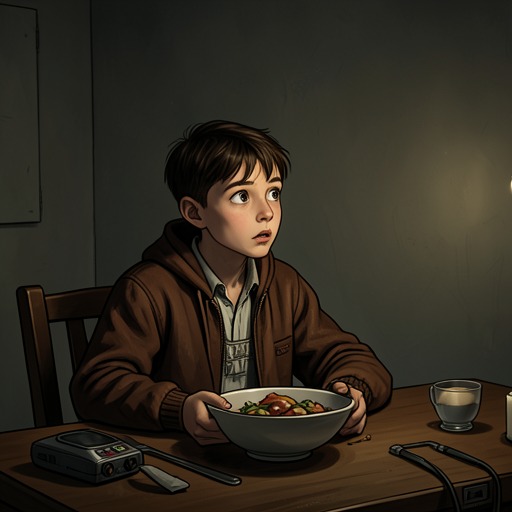
Exhausted, soaked, and still hungry, Pinocchio returns home and sits with his wet feet on a brazier full of glowing embers. He falls asleep there. Because the feet are wooden, they catch fire and slowly char to ash while he sleeps on, apparently unaware of what is happening. At daybreak he wakes to a knock at the door: Geppetto has returned. Pinocchio tries to hurry down from his stool to let him in, but, unable to stand, he tumbles to the floor. The failed attempt makes visible the damage that sleep had concealed from him.
Geppetto’s response
Geppetto initially takes Pinocchio’s cries and inability to stand for another mischief. He climbs in through a window rather than wait outside, and the sight of Pinocchio lying on the floor without feet changes his response. His anger gives way to tenderness: he lifts Pinocchio into his arms, kisses him, and comforts him, with tears running down his cheeks. The repair begins in this recognition of the actual injury, not in an abstract decision to forgive every earlier disobedience.
Geppetto makes the replacement feet himself. He takes up his tools and two pieces of seasoned wood, then works with great concentration. In less than an hour he has fashioned a pair described as nimble, dry, and lively, with the finish of work by a gifted artist. The speed and care of the task matter together: Pinocchio’s burned body is not left as a permanent consequence of the night, but restoring it requires Geppetto’s skilled labor and attention.
The return of the feet does not erase the circumstances that led to their loss. Pinocchio had spent the night hungry, and Geppetto had brought food with him; after eating, Pinocchio feels well enough to ask for new feet. Geppetto leaves him to cry and plead for half a day as punishment for his mischief before deciding to make them. The scene therefore holds affection and discipline side by side: the father responds compassionately to real suffering but does not treat that suffering as proof that Pinocchio’s conduct had no consequences.
The coat and the primer
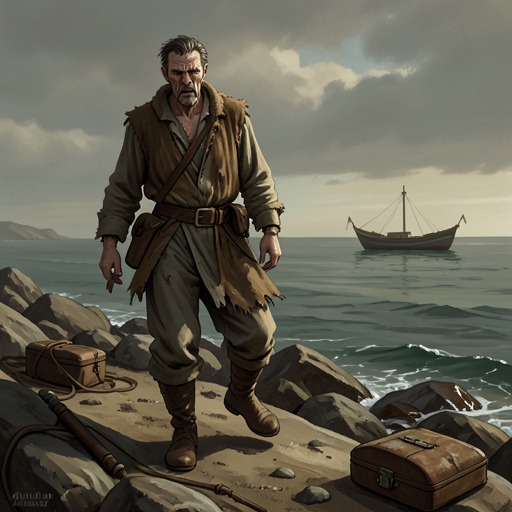
Once the matter of the feet has been addressed, the episode turns from bodily repair to Pinocchio’s education. Geppetto makes a primer possible by selling his own fustian coat, an old garment patched and mended many times. He leaves home and returns carrying the book, but no longer wearing the coat. Outside, it is snowing; he is left in his shirtsleeves. The purchase is thus shown through its material cost, not merely reported as an act of generosity.
Pinocchio notices the missing coat and asks what happened to it and why it was sold. Geppetto explains that he sold it because it made him too warm. The reply contrasts with the visible conditions: the coat had been worn and repeatedly mended, Geppetto has returned without it, and snow is falling. His understated explanation does not conceal the sacrifice from the reader; Pinocchio’s questions have already made the exchange plain. The primer is bought at the price of the clothing that had protected his father from the cold.
Significance of the paired acts
The feet and the primer make Geppetto’s care concrete in two distinct forms. He uses his craft to restore Pinocchio’s movement, then parts with a necessary possession to give him the means to study. One act answers an immediate crisis caused by the burned wooden feet; the other looks toward the education Pinocchio will need to pursue. Neither is effortless: the feet require concentrated work, and the book costs Geppetto his coat.
The episode also shifts the measure of consequence. Pinocchio’s earlier choices have left him hungry and, through his carelessness beside the brazier, without feet; his father’s response prevents that damage from being the end of the story. Yet the help is not a reward for good behavior. It arrives within a relationship where tenderness, correction, material deprivation, and hope coexist. The primer stands for a new possibility, but its presence also records what Geppetto has surrendered to provide it.