Pinocchio and Lucignolo Turn into Donkeys
Pinocchio (Tania Zamorsky Edition)Pinocchio and Lucignolo Turn into Donkeys is the point at which the boys’ transformation becomes complete in body and voice. Their limbs and faces change as they run on all fours; the growth of tails brings shame and pain, and their cries become brays. The scene makes the loss of human form unmistakable, then immediately places the transformed boys under the control of the Little Man who brought them to the country.
The Transformation Takes Hold
The change is preceded by their inability to remain standing. Pinocchio and Lucignolo both find that their legs will no longer support them, and they bend down onto all fours. What begins as a failure of ordinary movement becomes a new way of moving: they travel around the room on hands and feet, then run in this posture as the transformation advances.
Bodies and Voices Changed
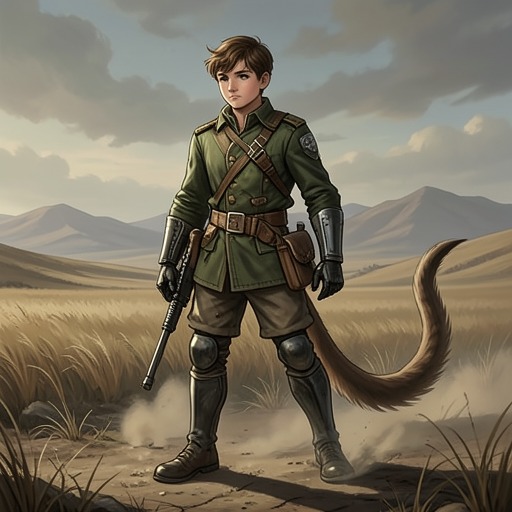
As they run, their arms become legs, their faces lengthen into muzzles, and their backs are covered with a light gray coat mottled with black. The changes accumulate across the body rather than appearing as a single alteration. The arrival of tails marks the moment they find most degrading: they feel both shame and pain, and try to weep and complain about their fate.
Their distress cannot find human expression. Instead of groans and lamentations, they produce donkey brays, joining in a loud chorus. The change therefore reaches beyond appearance and movement: the boys can no longer voice their suffering in the human manner they attempt. Their shared braying makes the transformation of both boys audible as well as visible.
The Little Man Arrives
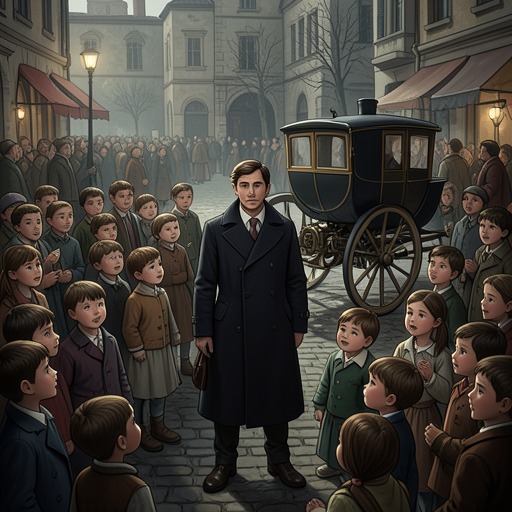
While the two are braying, someone knocks at the door. The voice outside identifies itself as the Little Man, the driver of the carriage that brought them to the country, and demands that they open at once, threatening them if they do not. His arrival follows their bodily transformation immediately, connecting their new condition to the journey that brought them there and introducing an external authority at the moment they are least able to resist.