Quel che è fatto è reso
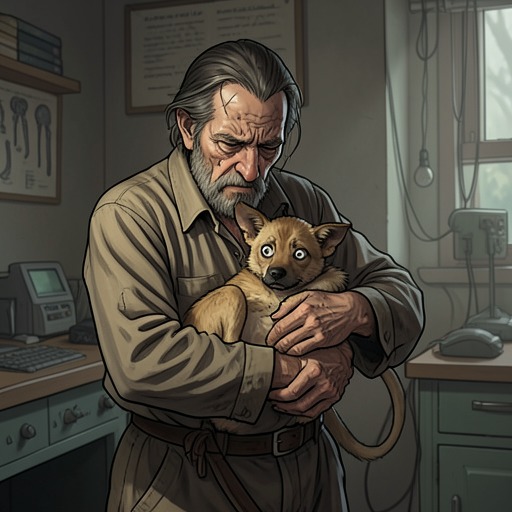
Pinocchio (Tania Zamorsky Edition)Quel che è fatto è reso is a saying about repaying kindness with kindness, given concrete force through the exchange of help between Pinocchio and Alidoro. Its repeated use turns a compact maxim into a pattern of reciprocal rescue: Pinocchio saves the dog, and Alidoro later carries Pinocchio to safety.
Meaning and First Use
After Pinocchio frees Alidoro from danger, the exhausted dog thanks him and says, “in questo mondo quel che è fatto è reso.” The phrase presents the rescue not as a debt settled on the spot but as a kindness that may be returned when an opportunity arises. Alidoro adds that they may meet again, leaving the possibility of repayment open.
The Saying Put into Practice
That opportunity comes after Pinocchio has returned to the sea and eventually reaches shore. Alidoro finds him and carries him gently along the path toward the village, then sets him down. When Pinocchio thanks him, Alidoro recalls that Pinocchio saved him and repeats the principle: “Tu salvasti me, e quel che è fatto, è reso.” The saying now names an action already completed: Alidoro has answered the earlier rescue with one of his own.
Mutual Aid
Alidoro expands the exchange beyond a private obligation, adding that everyone in the world should help one another. The two appearances thus move from an individual promise of return to a broader rule of mutual assistance. The saying’s force lies in that enacted symmetry: help passes between the characters, and gratitude becomes practical aid rather than mere acknowledgment.