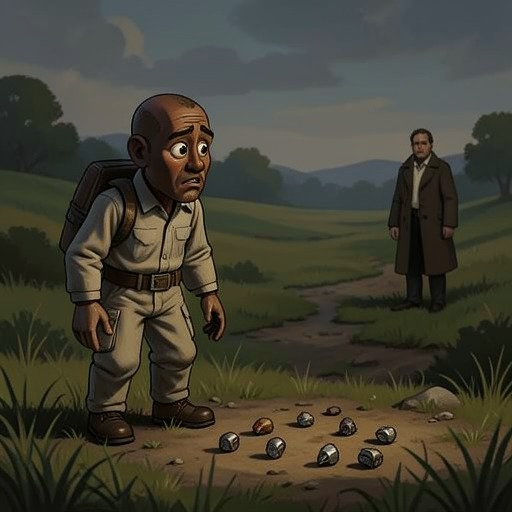
The Consequences of Ignoring Advice
Pinocchio (Tania Zamorsky Edition)The Consequences of Ignoring Advice is a recurring moral principle in Pinocchio, where warnings about disobedience and rash choices arrive before their consequences do. The pattern is not simply that wiser figures predict trouble: Pinocchio repeatedly hears concrete counsel, rejects it in favor of immediate freedom or imagined gain, and later recognizes the connection between his choices and his suffering. His return to regret makes the lesson a developing part of his character, rather than a warning delivered only for the reader’s benefit.
Warnings and the Choices They Confront
The Talking Cricket gives the principle its broadest formulation when he warns that children who rebel against their parents and capriciously leave the parental home will not prosper and will sooner or later repent bitterly. Pinocchio answers not by disputing the warning but by describing the life he wants: he plans to leave at dawn because staying would mean being sent to school, and he would rather chase butterflies and climb trees to take nestlings. The contrast is specific. The Cricket speaks of parental duty and future regret; Pinocchio chooses immediate amusement and avoidance of study.
The warning becomes sharper when Pinocchio describes his ideal life as eating, drinking, sleeping, enjoying himself, and living as a vagabond. The Talking Cricket says that people who live that way end in the hospital or prison. Pinocchio responds with a threat, telling the Cricket to be quiet and warning that he may lose his temper. His resistance therefore takes more than one form: he dismisses advice as unwanted talk, but also tries to silence the adviser when the rebuke becomes uncomfortable. The episode links refusal to listen with an active rejection of the person trying to guide him.
Easy Wealth and the Refusal to Turn Back
Later, the Talking Cricket appears to Pinocchio as a faint-voiced shadow and urges him to return the four zecchini still in his possession to his poor father, who is weeping and despairing because he has not seen his son. Pinocchio answers that his father will soon be a rich gentleman because the four coins will become two thousand. The dispute makes the danger of bad advice more precise: Pinocchio trusts a promise of sudden wealth over a direct appeal to repair the harm caused by his absence.
The Cricket counters that people who promise to make someone rich overnight are generally either mad or swindlers, and again tells Pinocchio to go back. Pinocchio insists that he wants to go forward. When the Cricket adds that the road is dangerous and that children who insist on doing things their own way eventually repent, Pinocchio calls the warning the usual stories and bids him good night. The sequence repeats the earlier conflict in a changed setting: instead of resisting school and parental authority, Pinocchio is now refusing advice about money, danger, and his father’s distress. In both cases, he treats counsel as an obstacle to what he wants immediately.
A Lesson Recognized Through Regret
On his way back, Pinocchio runs urgently because he longs to see his father and his little sister with turquoise hair again. As he runs through the puddles, he admits to himself that he has suffered many misfortunes and deserves them: he has been stubborn and touchy, insisted on doing everything his own way, and ignored people who love him and have better judgment. His thoughts directly echo the Talking Cricket’s earlier warning that caprice leads to regret. What had sounded to Pinocchio like a familiar, unwelcome lecture has become a way to understand his own experience.
His resolve is now to change his life and become a well-behaved, obedient boy. He says that he has seen how disobedient children lose out and cannot get things to turn out right. That recognition is accompanied by concern for the people affected by his choices: he wonders whether his father will be at the Fairy’s house, longs to embrace and kiss him, and fears that the Fairy may not forgive his bad conduct despite all the care she has shown him. The passage turns the lesson from a calculation of personal misfortune into an acknowledgment of ingratitude and damaged relationships. Pinocchio does not merely regret that events have gone badly; he connects his conduct to the distress of those who care for him.
The Warning Repeated, the Choice Repeated
The principle is tested again when the Blue-Haired Fairy permits Pinocchio to go through the city and invite his companions to breakfast the next day, on the condition that he return before nightfall. Pinocchio promises to be back within an hour. The Fairy warns that children make promises readily but often fail to keep them, and adds that disobedience would be to his own detriment. Her counsel is practical and limited: permission is granted, but it comes with a clear time to return.
Pinocchio answers that he has already experienced the consequences of ignoring advice and will not repeat the mistake. The Fairy’s response leaves the promise to be tested rather than accepted as proof of change. Pinocchio nevertheless secretly leaves with Lucignolo for Toyland instead of returning as instructed. This recurrence gives the concept its sharpest structure: remorse has taught Pinocchio to describe the lesson, but recognizing a warning is not yet the same as following it. Across the episodes, advice repeatedly names the danger in advance; Pinocchio’s choices make that danger immediate, while his later self-reproach shows the first movement toward understanding why obedience and care matter.