
Learning to Work
Pinocchio (Tania Zamorsky Edition)Pinocchio’s repeated resistance to work gives way to useful labor, with practical care for Geppetto turning a moral lesson into a new way of life.
increasing Bearing strength in each event
 decreasing
Bearing strength in each eventdecreasingWork Rejected
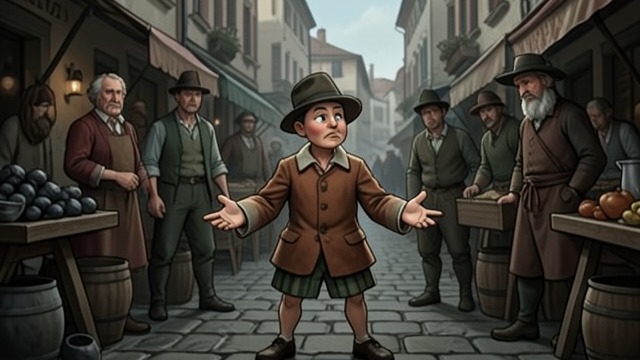
Hunger Without Effort
Offers Refused
Pinocchio asks workers for money but will not help carry coal or lime. He wants the relief of food without accepting the effort that could earn it.
A Choice Narrowed
The workers tell him to seek employment, and his hunger continues until a woman offers a task in exchange for a meal. The scene presents work not as abstract praise but as the practical condition of feeding himself.
The Mule’s Burden
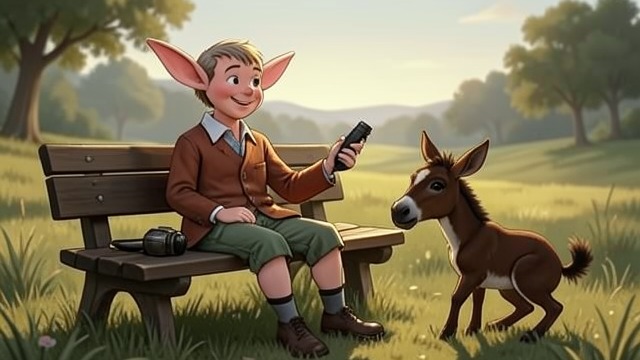
Idleness Takes a Form
A Country Without School
Pinocchio follows Lucignolo to a place devoted entirely to play, believing that release from study will mean lasting happiness. Five months of amusement seem to confirm the promise.
The Donkey Fever
Pinocchio’s ears grow, and the Marmot explains that idle boys become donkeys. His body exposes the work he has refused, transforming a social warning into a personal and humiliating fate.
Labor Under Constraint
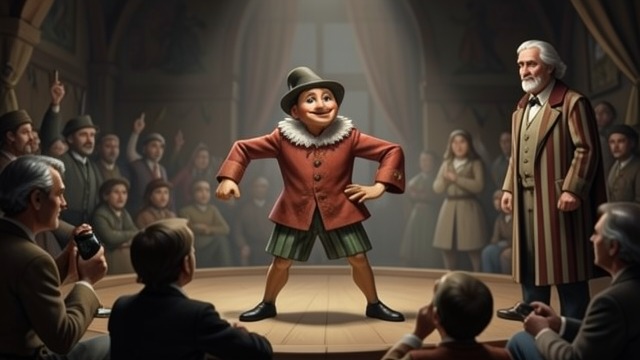
Forced Performance
A Trainer’s Use
The circus director buys Pinocchio to train him as a performing donkey. Lessons and beatings teach him to jump through hoops, dance, and work for another person’s profit.
Work Without Agency
This labor is not the healthy responsibility the Fairy had urged: it is exploitation imposed after Pinocchio’s choices have made him vulnerable. His circus life distinguishes honest effort from being used as an instrument.
The Water Wheel
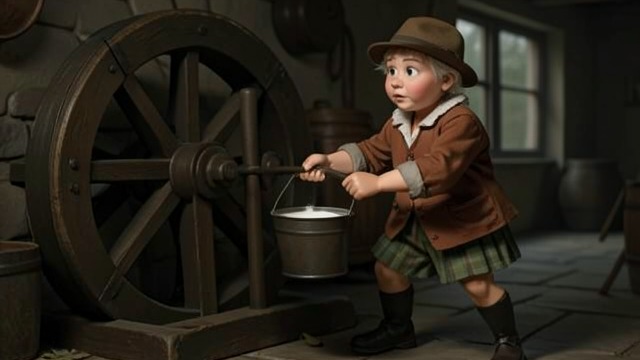
Work Chosen Freely
A Bargain for Milk
Pinocchio finds that the gardener will provide milk only in exchange for turning the water-lifting device. He accepts a tiring task because Geppetto needs nourishment.
A Useful Skill
He returns day after day to earn the glass of milk and also learns to make baskets and small goods. His work now has a purpose beyond escaping hunger: it supports another person and gives him a measure of independence.
Work Joined to Study
A Daily Practice
Care in the Morning
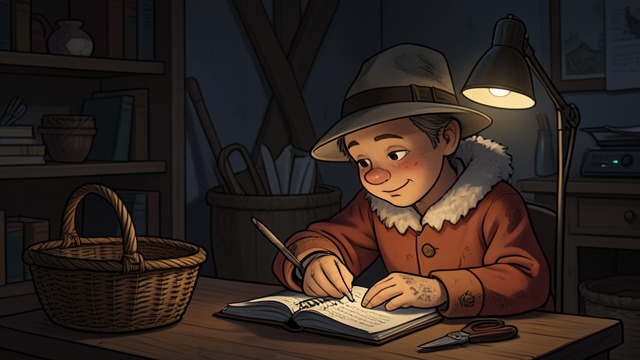
Pinocchio works before dawn, earns Geppetto’s milk, and uses spare time to make baskets. The routine replaces the fantasy of getting rich overnight with measurable effort.
Learning at Night
In the evenings, he reads and writes with improvised materials. Work and study now reinforce each other, preparing the final transformation as the outcome of habits rather than a reward for a single dramatic gesture.
During Pinocchio’s first visit to the Island of the Industrious Bees
After Pinocchio enters Toyland
After Pinocchio is sold to the circus
After Pinocchio and Geppetto reach the hut
During the months before Pinocchio becomes a boy
