
The Temptation of Bad Companions
Pinocchio (Tania Zamorsky Edition)From the Fox and the Cat to Lucignolo, Pinocchio’s desire for belonging and pleasure repeatedly makes harmful companions more persuasive than trusted counsel.
increasing Bearing strength in each event
 decreasing
Bearing strength in each eventdecreasingA Welcome in the Theater
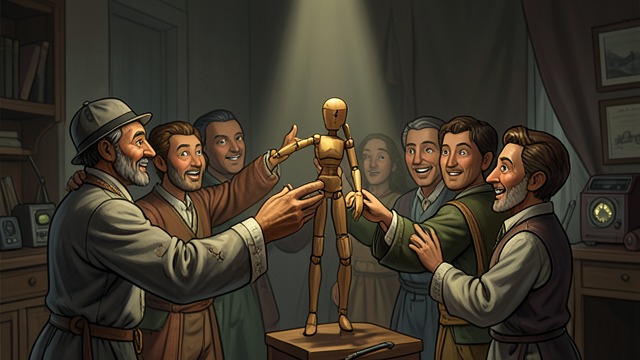
Belonging on Stage
A Family of Wood
Arlecchino, Pulcinella, and the other puppets greet Pinocchio as their brother. Their affection is immediate and uncomplicated, offering him the pleasure of being recognized among others like himself.
The Welcome Has Limits
The troupe’s celebration disrupts a paid performance and brings Mangiafoco’s anger. Pinocchio discovers that belonging can be warm, but it does not exempt him from the responsibilities and dangers surrounding the group.
The Fox and the Cat’s Flattery
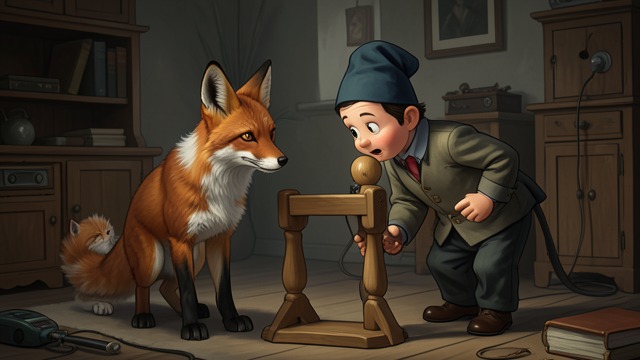
Companionship as Bait
An Invented Familiarity
The Fox and the Cat greet Pinocchio as if they know Geppetto and understand the boy’s hopes for him. Their counterfeit concern makes them seem like friends rather than strangers interested in his money.
Approval Bought by Agreement
They portray study as foolish and effortless wealth as generous help to others. Pinocchio wants to believe that they admire his ambition, so their praise weakens his resolve to go home.
A Friendship Misread
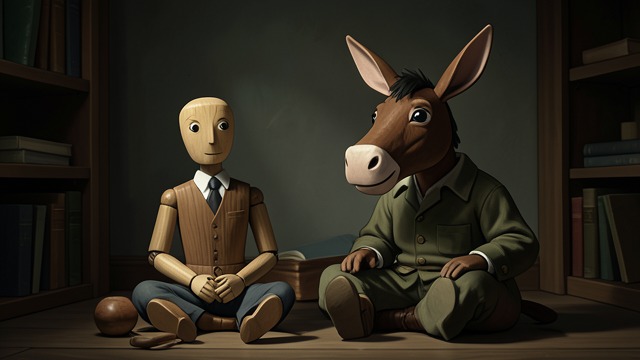
Affection Against Judgment
A Favorite Companion
Pinocchio seeks Lucignolo to invite him to the Fairy’s breakfast. He cares deeply for his classmate, despite knowing that Lucignolo is the school’s most idle and troublesome boy.
An Invitation to Escape
Lucignolo describes Toyland as a life without lessons or books. Pinocchio initially refuses, but his affection and curiosity keep him listening until he exchanges the Fairy’s promise for the company of his friend.
The Shared Transformation
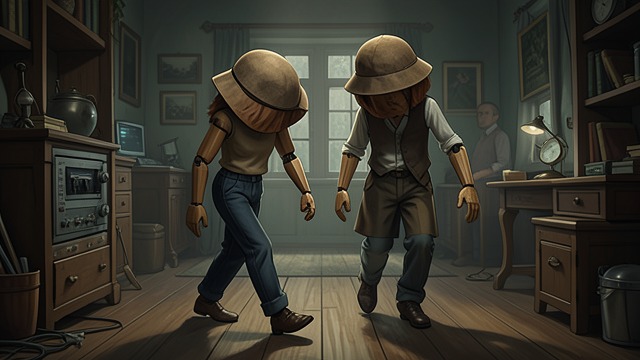
Companions in Misfortune
A Hidden Change
Pinocchio discovers growing donkey ears and searches for Lucignolo. Both boys conceal their ears beneath large caps, each hoping the other is not suffering the same fate.
Laughter and Fear
When they reveal their ears together, they laugh at first, but their bodies soon change into donkeys. Their shared fate makes companionship intimate and consequential: neither boy can treat the other’s influence as harmless play.
The Last Schoolmate
Friendship at the End
A Familiar Donkey
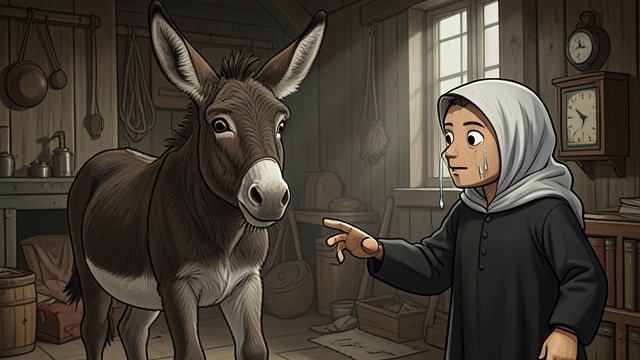
Pinocchio recognizes the exhausted donkey in the stall as Lucignolo. The former companion, worn down by farm labor, can only speak his name before dying.
Grief Without Excuse
Pinocchio mourns him and wipes away a tear, even as the gardener laughs at the idea that the donkey was his school friend. His grief acknowledges real affection while the death underlines the consequences of the path they chose together.
At Pinocchio’s first meeting with the puppet troupe
After Pinocchio receives Mangiafoco’s gold
On the evening Lucignolo plans to leave
Five months after arriving in Toyland
Late in the story, at Giangio’s farm
