
The Meaning of Stolen Wealth
Pinocchio (Tania Zamorsky Edition)The novel contrasts fraudulent riches and exploitative profit with earned resources, showing that money matters most when tied to honest work and care.
increasing Bearing strength in each event
 decreasing
Bearing strength in each eventdecreasingThe Coat Behind the Primer

Education Paid For
Poverty’s Limit
Geppetto and Pinocchio lack the coins needed for a primer. The child cannot begin school through good intentions alone; his father must surrender the coat that protects him from the cold.
A Costly Opportunity
The primer represents an investment in Pinocchio’s future, paid for by Geppetto’s present hardship. Its later sale makes the book’s meaning personal: wasting it means wasting another person’s sacrifice.
The Gift of Five Coins

Money Entrusted
An Opportunity to Repay
Mangiafoco gives Pinocchio five coins for Geppetto after hearing how poor the old man is. The money arrives through gratitude for Pinocchio’s courageous defense of Arlecchino.
A Purpose Abandoned
Pinocchio initially imagines using the coins for his father and for a primer, but the Fox and the Cat redirect him. The scene distinguishes a gift intended for care from the fantasy of making it multiply.
Stolen Gains Disappear
Profit Without Work
An Empty Promise
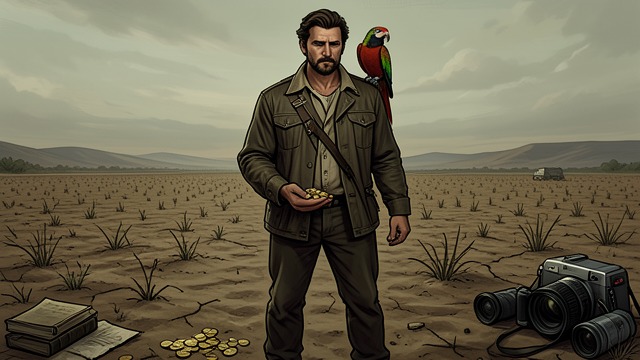
The Fox and the Cat claim that money planted in a field will grow overnight. Pinocchio follows their instructions instead of earning or saving the money honestly.
The Theft Exposed
The coins disappear, and the Parrot explains that the supposed miracle was a fraud. The empty field gives literal form to the proverb that stolen gains and effortless expectations yield no lasting fruit.
A Living Cost of Idleness
Others Profit from Him
A Market Sale
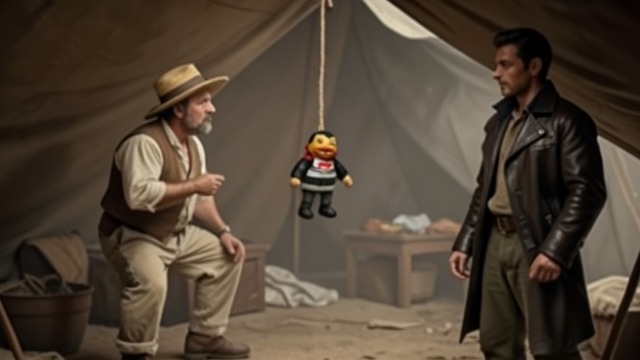
After Toyland, the Little Man sells Pinocchio to a circus director, who plans to earn money from his performances. The puppet’s body becomes a commodity because he has lost control of his future.
Injury Ends the Investment
The director trains him through beatings, then sells him again when an injury makes him less profitable. This chain of buyers contrasts sharply with honest work: labor here serves the owner’s gain and leaves the worker disposable.
Money Given Away
Earned Wealth Shared
Savings for a Coat
After months of work, Pinocchio has forty coins set aside to buy clothes. The money is small but carries the effort that produced it.
A Higher Use
He sends the coins to the sick Fairy and promises to work longer. Unlike the Fox and the Cat’s promised multiplication, this use of money creates a real benefit through sacrifice, labor, and trust.
Before Pinocchio’s first school day
The morning after the puppet theater
After the coins are buried in the Field of Miracles
During Pinocchio’s circus employment
Near the ending, when Pinocchio hears the Fairy is ill
