Pinocchio and the Talking Cricket: From Conflict to Reconciliation
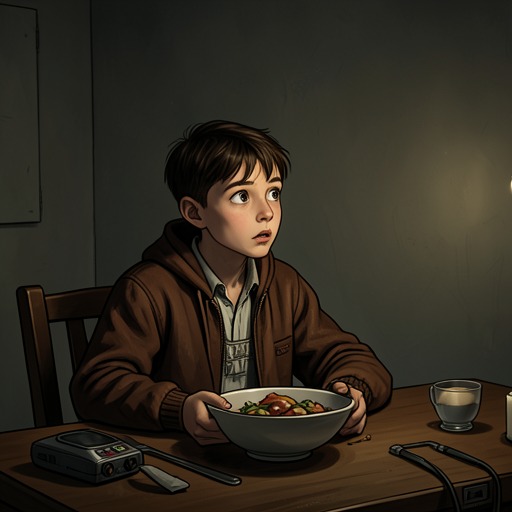
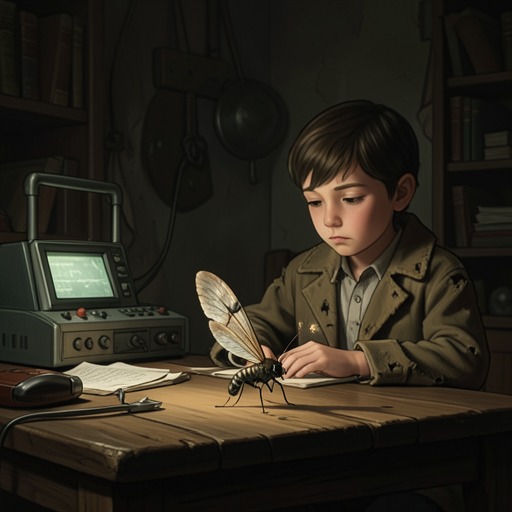
Pinocchio (Tania Zamorsky Edition)The relationship between Pinocchio and the Talking Cricket is recast, at a moment of need, from an old conflict into an exchange of remembered injury, mercy, and moral instruction. When Pinocchio meets the Cricket again, he greets him courteously; the Cricket answers by recalling the wooden hammer Pinocchio once threw to drive him from his home. Pinocchio does not deny the past. Instead, he accepts the rebuke and asks the Cricket to have pity on Geppetto as well as on him, making their reunion a test of whether courtesy can be restored after cruelty.
The remembered conflict
The scene makes the past present through a specific object: the wooden hammer. The Talking Cricket recalls that Pinocchio had used it in an attempt to drive him out of the house. That recollection gives the reunion its tension. Pinocchio’s courteous greeting appears at first to mark a changed relationship, but the Cricket’s reply insists that present politeness cannot simply erase the earlier offense. He names the injury before accepting Pinocchio’s greeting as evidence of reconciliation.
The exchange also reverses their earlier positions. Pinocchio once acted against the Cricket; now he concedes that the Cricket has grounds to act against him. He even offers himself as a target for the same wooden hammer, asking that the Cricket strike him too. The offer is not a claim that the harm has been undone. It is a recognition that Pinocchio has no right to demand kindness while pretending not to remember what he did.
Mercy and the appeal for Geppetto
Pinocchio’s request is larger than a plea for his own safety. He asks the Cricket to pity his poor father, Geppetto, placing another person’s need at the center of the appeal. His words acknowledge the Cricket’s grievance while urging him to look beyond it. In the scene’s moral balance, Pinocchio does not ask for a declaration that the old offense no longer matters; he asks for mercy in circumstances when his father is in need.
The Talking Cricket grants that request in both directions: he says that he will have pity on the father and the son. His answer makes the reconciliation an act rather than a mere change in tone. The remembered wrong remains part of their history, but it does not prevent him from helping them. By extending mercy to both, the Cricket also answers Pinocchio’s appeal without reducing the scene to a private pardon between the two of them.
Courtesy as reciprocal conduct
The Cricket explains why he has recalled the wooden hammer: he wanted Pinocchio to remember the discourtesy he had received. He then draws out the principle that, when possible, people should show courtesy to everyone if they hope to receive equal courtesy in days of need. The lesson links the earlier conflict to the present appeal. Pinocchio needs help now, and the Cricket’s willingness to give it is placed beside the kindness Pinocchio once refused to show him.
The idea of reciprocity is not presented as simple repayment. The Cricket does not make mercy conditional on Pinocchio first compensating him; he offers pity while using the old injury to teach what courtesy means. The relationship therefore turns on an imbalance between remembered offense and present response: Pinocchio asks forgiveness from someone he wronged, and the Cricket responds with aid and a warning for the future. The lesson carries particular force because the person delivering it has firsthand reason to withhold kindness.
A changed exchange
Pinocchio accepts the Cricket’s judgment without arguing. He says that the Cricket is right and promises to keep the lesson in mind. His response marks a change from the earlier attempt to silence or expel the Cricket: here, he listens, acknowledges the consequence of his conduct, and treats the Cricket’s words as counsel. The change is shown through his answer and manner, rather than through any claim that their history has vanished.
Once the lesson has been acknowledged, Pinocchio asks how the Cricket came to possess the fine hut. The question shifts their conversation from accusation to ordinary curiosity, while the Cricket explains that a graceful goat with beautiful blue wool gave it to him the day before. In the immediate scene, the exchange leaves Pinocchio and the Talking Cricket on terms where a greeting, a rebuke, an appeal, and a practical question can follow one another. Their reconciliation is not forgetfulness: it is the Cricket’s mercy joined to Pinocchio’s willingness to remember why courtesy matters.