Transformation into Donkeys and “Donkey Fever”
Pinocchio (Tania Zamorsky Edition)The donkey transformation and Donkey Fever make Pinocchio’s rejection of study visible on his body. After five months of playing and enjoying himself without books or school, he wakes with donkey ears; the change proceeds until he is a real donkey, complete with a tail, and begins to bray. The transformation converts a choice about how to spend his days into a physical condition, while the Marmot’s diagnosis frames that condition as the consequence of persistent idleness.
The onset and its bodily signs
The change follows five months of uninterrupted amusement in Toyland. Pinocchio has spent those days playing and having fun without seeing a book or entering a school. One morning he wakes in a bad mood after an unexpected bodily discovery: donkey ears have appeared. The first sign is both comic and alarming, because the familiar puppet body no longer seems safely separate from the animal form toward which it is changing.
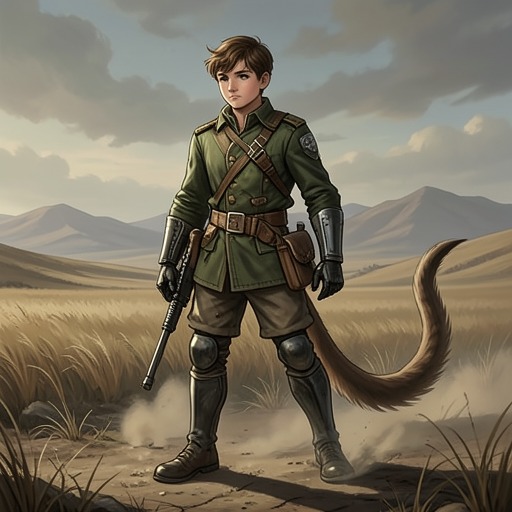
The transformation is presented as a progression, not merely as a resemblance. Pinocchio first discovers the ears; the account then describes him becoming a real little donkey, with a tail and the rest of the animal’s body, and beginning to bray. The distinction matters: donkey features do not remain a temporary disguise or isolated symptom. They mark the loss of his former identity as a puppet and boy. His astonishment at the change emphasizes that the consequence he faces is more complete than he expected from his preference for play.
Donkey Fever and the forecast
The Marmot names Pinocchio’s condition Donkey Fever. The diagnosis gives a name to what is happening, but it offers no cure or escape. When Pinocchio asks what kind of fever it is, the Marmot explains that within two or three hours he will no longer be a puppet or a boy, but a real donkey of the sort that pulls carts and carries vegetables to market. The practical comparison makes the threat concrete: his possible future is not an abstract animal transformation but a working animal’s place in everyday labor.
The forecast also supplies a narrative hinge between the first visible symptom and the completed change. The ears reveal that the process has begun; the Marmot’s prediction fixes its direction and short time frame. Pinocchio responds by grabbing both ears and pulling at them angrily, as though they belonged to somebody else. The gesture registers an attempt to reject the evidence through his own body, but it cannot undo what has already started. His fear arrives only after the transformation is underway.
The cause assigned to the change
The Marmot explains the transformation as the fate of children who grow tired of books, schools, and teachers, and spend their days in toys, games, and diversions. Her account turns Pinocchio’s particular misfortune into a general moral rule: children who persist in avoiding study will sooner or later become little donkeys. Donkey Fever thus operates at once as the name of a bodily change and as a judgment on the habits that precede it.
Pinocchio initially tries to transfer responsibility to Lucignolo, calling him the cause and recalling that he himself had wanted to return home, obey, study, and do well. In his account, Lucignolo urged him to go to Toyland instead, where they would no longer study and could amuse themselves all day. The episode connects the transformation to bad companionship, but it does not leave Pinocchio’s responsibility outside the story: when the Marmot asks why he followed the advice, he calls himself a puppet without judgment or heart. His recollection identifies the alternative he abandoned, including the Blue-Haired Fairy, who had treated him with a mother’s love and done much for him.
Moral and narrative significance
The episode makes the cost of postponed responsibility immediate. Pinocchio had wanted to return to his former obligations, but that intention did not protect him after he chose Lucignolo’s invitation and spent five months in play. By the time he recognizes the danger, his ears have already appeared and the Marmot describes his change into a real donkey as imminent. The short interval of two or three hours sharpens the contrast between the long period of indulgence and the rapidly approaching consequence.
The animal form also makes the lesson difficult to separate from the story’s comic grotesquerie. Pinocchio pulls at ears that have become his own, and the promised outcome is a donkey that brays and works rather than a boy who studies. Yet the scene does not treat the transformation as merely an amusing visual joke: its physical completeness gives force to the warning, while Pinocchio’s grief over abandoning the Blue-Haired Fairy supplies an emotional measure of what his choice has cost. Donkey Fever binds conduct, bodily change, and regret into a single turning point.