
Fear of the Arranged Marriage
PleasureThis flow traces how a political proposal activates Guin’s childhood trauma and forces both lovers to confront the difference between coercion and choice.
increasing Bearing strength in each event
 decreasing
Bearing strength in each eventdecreasingAncient Rule Invoked
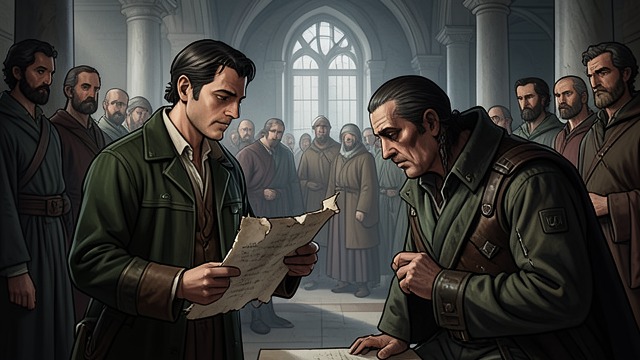
Ancient Rule Invoked
Demand for a Mate
Senators cite a centuries-old rule requiring Malaya to marry in order to secure succession.
Public Justification
They present the rule as cultural protection, while its direct effect is to limit Malaya’s control over her own future.
Senate Pushback
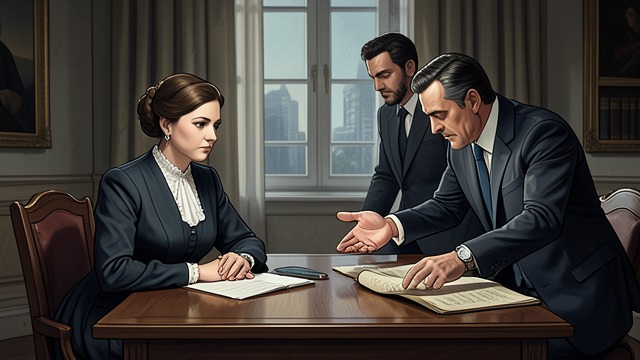
Senate Pushback
Competing Arguments
Malaya challenges the law’s age, while Jericho and Angelique argue that tradition protects stability and women’s safety.
Tactical Response
She permits proposals without conceding that the Senate has authority to choose her partner.
Guin’s Childhood Returns

Guin’s Childhood Returns
Personal Trigger
Guin remembers his mother’s forced marriage and death, and sees Malaya’s political compromise as a path to the same kind of loveless union.
Misread Intent
His trauma makes him believe she has decided to trade her happiness for political convenience.
A Break in the Relationship

A Break in the Relationship
Accusation
Guin accuses Malaya of treating him as a temporary lover before she marries someone selected by the Senate.
Departure
The argument turns political uncertainty into personal separation, leaving both without the conversation they need.
Choice Replaces Coercion

Choice Replaces Coercion
Mutual Recognition
Malaya says she loves Guin, and he admits his own long-hidden love and fear of unworthiness.
Rewritten Future
Her public decision to marry him transforms the law’s demand into a choice that challenges the assumptions behind it.
At the opening of the Senate marriage dispute
During the first Senate debate
After Malaya accepts a one-year marriage timeline
After their first days as lovers
Near the ending, when Malaya finds Guin
