
Tradition Under Revision
PleasureThis flow explores how characters preserve valued traditions while challenging rules that turn inherited practice into coercion.
increasing Bearing strength in each event
 decreasing
Bearing strength in each eventdecreasingA Law from Clan Times
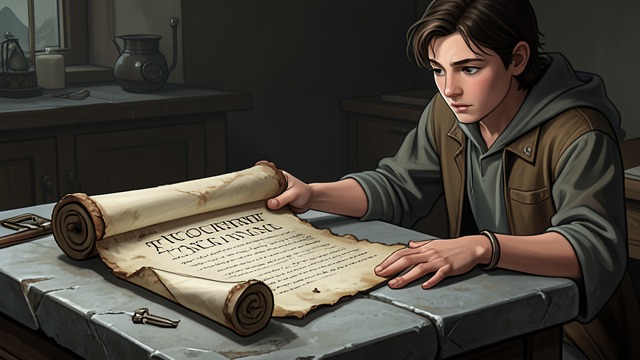
A Law from Clan Times
Historical Purpose
The marriage rule was created to secure succession and reduce political conflict in an older, divided society.
Changed Conditions
Malaya argues that a rule made for rival clans cannot automatically govern a united monarchy without revision.
Custom Used as Pressure

Custom Used as Pressure
Political Claim
Senators present obedience to tradition as proof of respect and a safeguard for women and the realm.
Unequal Burden
Malaya observes that the rule asks her, specifically, to surrender personal choice for an heir and political reassurance.
Reform Without Erasure

Reform Without Erasure
Negotiated Change
Malaya seeks to update the law rather than dismiss the Senate’s concern for continuity altogether.
Reciprocal Standard
Her draft extends expectations beyond female rulers, exposing how tradition can be preserved more fairly through revision.
Personal Choice as Example

Personal Choice as Example
Challenging Status
Malaya chooses Guin despite the expectation that royal marriage should preserve noble bloodlines.
New Definition
Her decision argues that character, loyalty, and love can serve the future better than inherited prestige alone.
Tradition Reclaimed
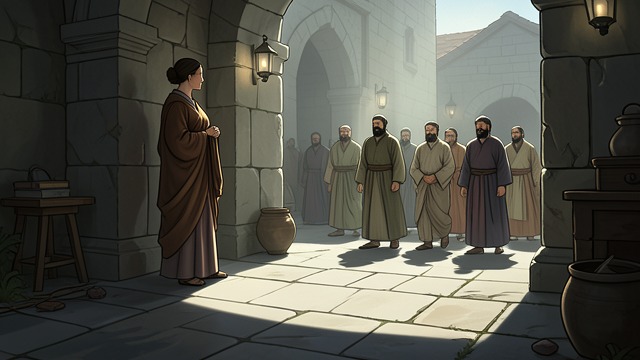
Tradition Reclaimed
Values Retained
Malaya does not reject her people’s history or need for succession; she rejects their use to deny her agency.
Future Opened
The law becomes a subject for responsible political change rather than an unquestionable command.
At the Senate’s first marriage-law debate
During Angelique and Jericho’s arguments
When Malaya presents her revised proposal
After Malaya reunites with Guin
Near the ending, after the engagement announcement
