
Light, Darkness, and Belonging
PleasureThis flow uses the Shadowdwellers’ physical need for darkness to examine the limits and possibilities of living across cultures.
increasing Bearing strength in each event
 decreasing
Bearing strength in each eventdecreasingLife in Darkness
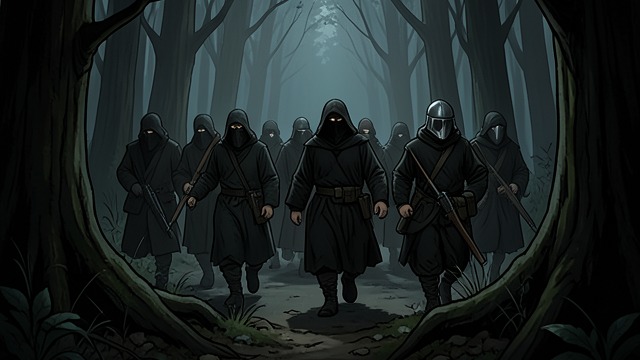
Life in Darkness
Physical Constraint
Shadowdwellers live away from ordinary light, which burns them and can destroy them.
Cultural Consequence
Their need for darkness shapes clothing, travel, housing, and the secrecy separating them from human society.
A Cabin Made Safe
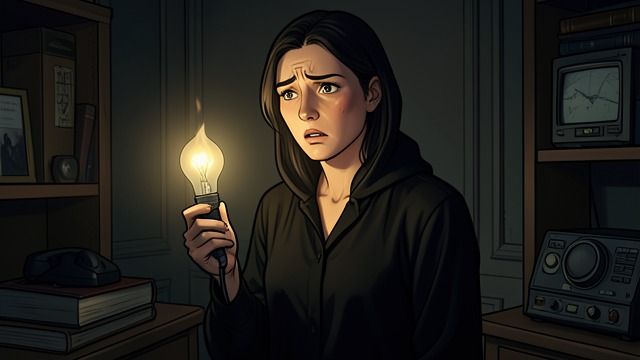
A Cabin Made Safe
Accidental Exposure
Valera’s household bulb burns Sagan before she understands the danger.
Adaptation
She removes bulbs and darkens the cabin, learning how care must respond to another species’ physical realities.
The Cost of Separation
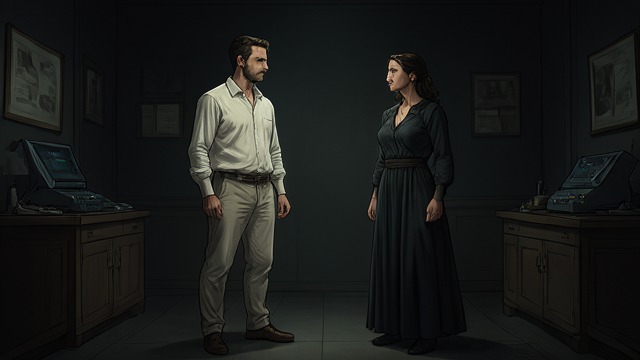
The Cost of Separation
Two Worlds
Sagan’s people, work, and home are built around darkness; Valera’s human life belongs to a world he cannot safely inhabit in the same way.
Love Meets Material Limits
Their closeness cannot erase differences of biology, culture, or lifespan.
A Possible Shared Society
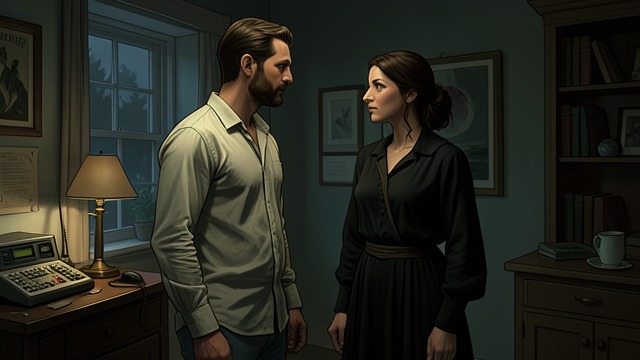
A Possible Shared Society
Changed Circumstances
Magnus offers Valera a place among the Nightwalkers, where darkness and community can make continued partnership possible.
Cross-Cultural Work
Her presence can help Shadowdwellers learn about humans whose magic does not serve harm.
Belonging Without Sameness
Belonging Without Sameness
Acceptance in Practice
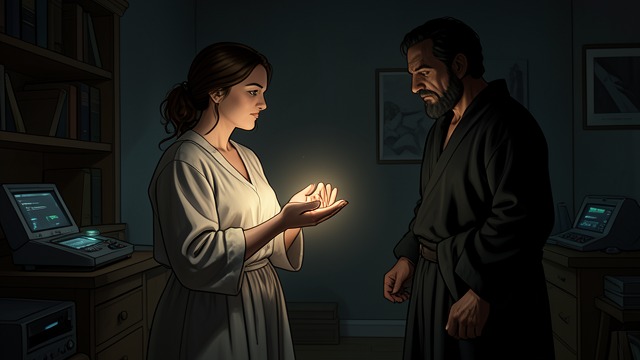
Valera’s healing of Guin gives the Shadowdweller leaders a reason to reconsider their hostility without requiring her to stop being human or a witch.
Shared Future
Belonging becomes an act of negotiation and trust rather than the erasure of difference.
Before the story’s opening, within Shadowdweller society
Early in the story, after Sagan wakes
During Valera and Sagan’s nine days together
After Magnus proposes a new role for Sagan
Near the ending, as Valera joins Sagan in the royal crisis
