
The Cost of Elitism
PleasureThis flow traces the conflict between inherited status and demonstrated service as Malaya names a lowborn former assassin as her chosen partner.
increasing Bearing strength in each event
 decreasing
Bearing strength in each eventdecreasingA Stratified Society
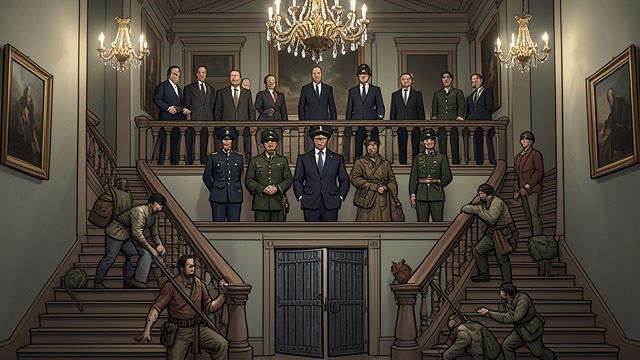
A Stratified Society
Old Hierarchies
The postwar order retains distinctions between nobles, former clan leaders, and residents of lower city levels.
Uneven Authority
Political titles and bloodlines continue to influence who is considered fit to rule or marry into power.
A Candidate List
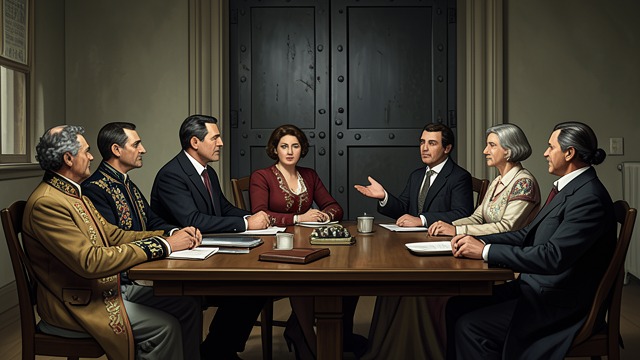
A Candidate List
Elite Preferences
The Senate provides Malaya with noble candidates and assumes their bloodlines make them worthy partners.
Conflict of Values
The list treats marriage as a breeding and political arrangement rather than a relationship in which Malaya has equal standing.
Guin’s Self-Doubt

Guin’s Self-Doubt
Class Wound
Guin believes his low birth, criminal past, and lack of a third power make him unfit for Malaya.
Recognition Denied
His years of service have earned trust, but he struggles to regard that service as a basis for equal status.
The Senate Rejects Him
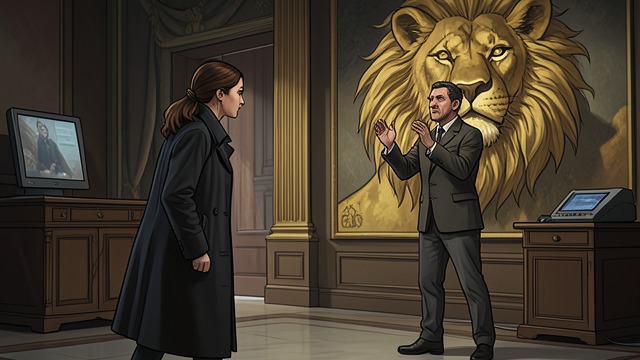
The Senate Rejects Him
Open Contempt
Angelique calls Guin an ordinary man whose children would threaten the royal bloodline.
Counterargument
Malaya answers that loyalty, strength, and character make him more worthy than candidates whose rank conceals cruelty.
Service Redefined
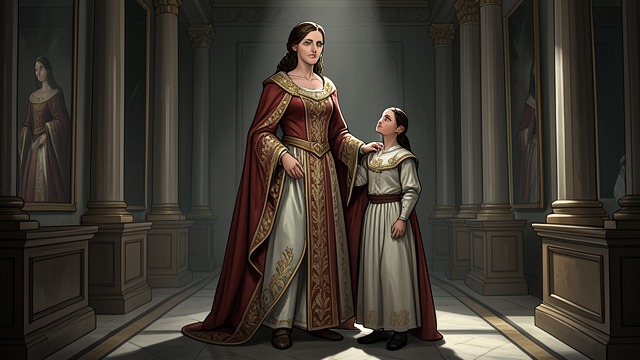
Service Redefined
Public Recognition
Malaya brings Guin into the royal chamber as her chosen fiancé rather than an unseen servant.
New Standard
Their engagement suggests that leadership and belonging can be earned through conduct, not inherited solely through blood.
In the years after the Shadowdweller civil war
During the Senate’s marriage-law process
After Guin leaves Malaya
At Malaya’s public engagement announcement
Near the ending, as the couple leaves the Senate
