
Faith and Free Will
PleasureThis flow explores how characters rely on religious belief while insisting that fate does not eliminate human choice.
increasing Bearing strength in each event
 decreasing
Bearing strength in each eventdecreasingBelief in the Beyond

Belief in the Beyond
Priestly Faith
Sagan believes that death leads to the Beyond and that the gods can receive the faithful with compassion.
Moral Duty
His faith also demands that he punish serious sin and offer repentance where it is possible.
A Meeting Interpreted as Fate
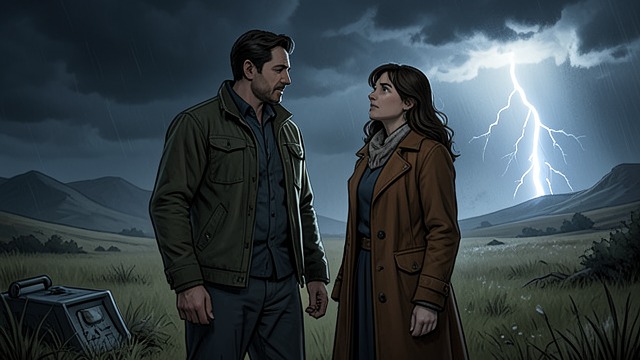
A Meeting Interpreted as Fate
Unexpected Rescue
Sagan wonders why Valera was there at the moment he needed help and whether the gods directed him to her.
Free Choice
He still chooses to pursue the relationship, treating fate as an opening rather than an order.
Belief Challenged by Love
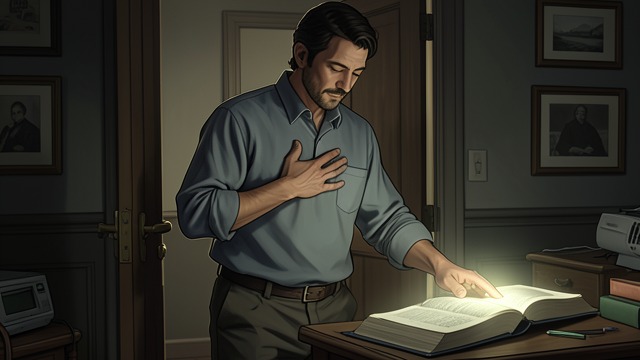
Belief Challenged by Love
Rule and Meaning
Sagan’s love makes him question whether a rule can be obeyed mechanically while denying a moral truth.
Faith in Reconsideration
His argument does not discard belief; it asks whether religious law can be interpreted without cruelty.
Fatima’s Free Will

Fatima’s Free Will
A Life Directed
Acadian claims family ambition and power justify years of spying and deception.
Chosen Change
Fatima proves otherwise by choosing to betray the plan, showing that upbringing and pressure do not erase responsibility.
A Future Chosen

A Future Chosen
Vision and Decision
Malaya’s precognition shows possible marriage, children, and a future beside Guin, but she still must choose to act.
Hope Without Certainty
The vision strengthens her hope without replacing the courage and judgment that make the future possible.
Before Sagan meets Valera
During Sagan’s first days with Valera
When Sagan confesses to Magnus
At the rescue inside Acadian’s house
Near the ending, after Malaya sees her future with Guin
