
Dixon and Christie’s Unfinished Bond
Point BlankDixon’s continuing devotion to Christie shapes his grief, his parenting, and his belief that her disappearance was not a voluntary departure.
increasing Bearing strength in each event
 decreasing
Bearing strength in each eventdecreasingA Family Before Loss

A Family Before Loss
Shared domestic life
Dixon remembers a family in which Christie was central to Rob and Rafer. Her absence is measured not only by romance but by the routines and affection that once held the household together.
A lasting presence
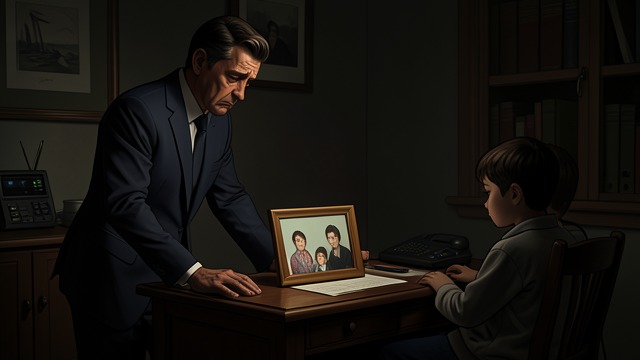
A photograph of Christie and the boys remains on Dixon’s office desk. He looks at it daily, preserving the connection even while trying to keep functioning.
Love as evidence
Dixon’s conviction that Christie would not abandon her children comes from knowing her character. It is an emotional belief, but also the basis for how he interprets her disappearance.
The Vanishing
The Vanishing
No goodbye
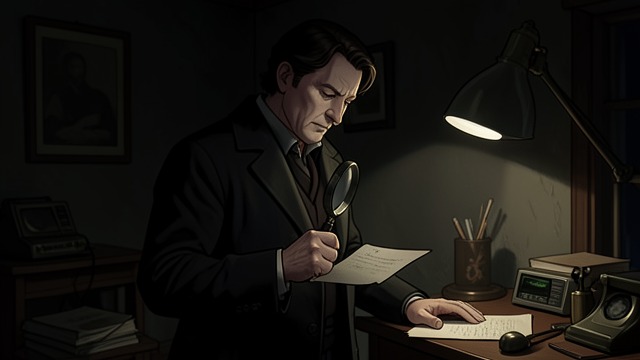
Christie disappears without an explanation that Dixon can accept. The search produces no reliable clue, leaving the family suspended between hope and mourning.
A sheriff unable to solve his own case
Dixon uses every resource he can, including a private investigator, but finds nothing. His professional skill cannot make the missing evidence appear.
A loss without a grave
Because no body is found, the family has no clear event around which to grieve. The absence remains an active wound rather than a completed tragedy.
The Children’s Theories
The Children’s Theories
Conflicting explanations
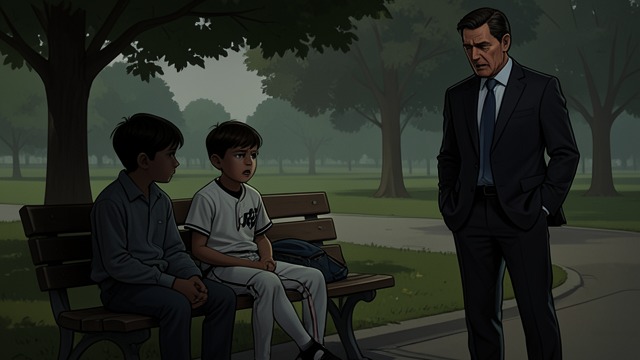
Tony tells the boys that Christie may have left because she was ill. At school, another boy suggests she ran away with someone she met at a gym.
Hope beneath denial
Rob and Rafer hold onto possibilities that might bring their mother back. Their silence protects them from asking their father questions they fear he cannot answer.
A parent’s responsibility
Dixon later realizes that he has not made enough space for these worries. His love for the boys has sometimes led him to avoid painful honesty.
A Father Speaks Plainly
A Father Speaks Plainly
Grief becomes a conversation
The boys tell Dixon that they are thinking about Christie. Their fear that Ruth may replace her opens years of unspoken questions.
A clear conviction
Dixon says Christie would never have chosen to leave them and that he believes she is dead. He admits that he should have told them this more directly.
Memory remains intact
He explains that loving Ruth would not diminish Christie. The family can make room for a new relationship without rewriting the importance of the one they lost.
Love Without Closure
Love Without Closure
No answer recovered
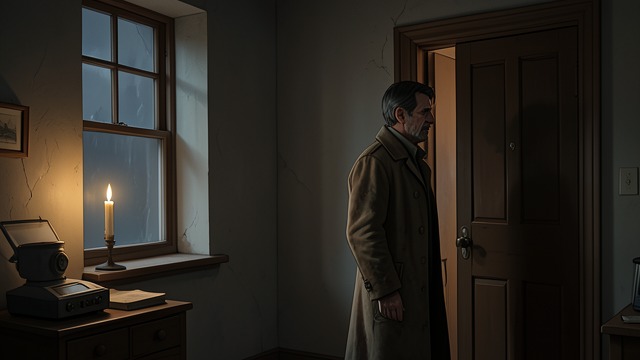
The Maestro murders do not reveal what happened to Christie. Dixon’s central personal mystery remains unsolved.
A continuing bond
Dixon continues to believe Christie would not willingly have abandoned their family. Her memory remains part of his life rather than an obstacle he must discard.
Room for new affection
Dixon can care for Ruth while preserving his attachment to Christie. The novel treats emotional renewal as coexistence with grief, not a replacement for the missing person.
Before Christie’s disappearance
Nearly three years before the present story
Three months before the boys speak openly with Dixon
Friday evening, after Dixon and Ruth are seen kissing
After the investigation ends, approaching summer
