
The Legacy of Violence and Memory
Point BlankThe novel connects present crimes to inherited and remembered violence while showing that history explains motives without excusing the people who repeat it.
increasing Bearing strength in each event
 decreasing
Bearing strength in each eventdecreasingA Family History of Harm
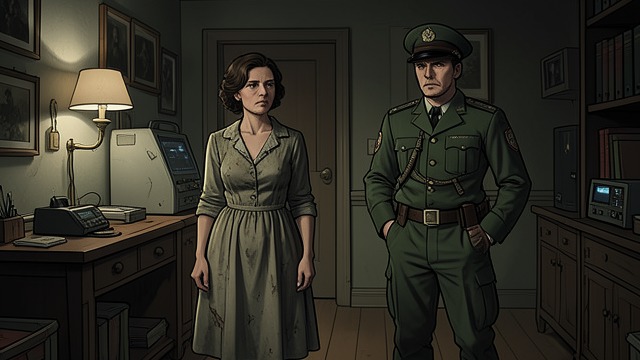
A Family History of Harm
Violence passed between generations
Marilyn remembers a grandfather who hit Tammy and then cuddled her in a disturbing way. His conduct foreshadows how violence and affection become entangled in the family.
Children inherit the damage
Tammy and Tommy grow into violent adults, while Marilyn learns to survive their cruelty. Their childhood does not erase responsibility for later choices.
Explanation without absolution
The family history helps Savich understand Moses’s connection to Tammy and his desire for revenge. It explains the shape of his grievance but does not justify the killings.
The Earlier Tammy Case
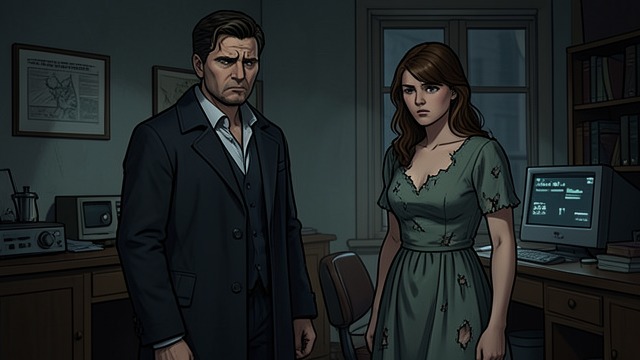
The Earlier Tammy Case
A dangerous encounter
Savich once confronted Tammy and Tommy after they kidnapped two teenage boys. He wounded Tammy while trying to stop her from killing them.
A death misremembered
Savich did not kill Tammy; Savich’s sister survived the final confrontation and killed her. Moses later converts these details into a personal story in which Savich is the murderer.
Vengeance built on distortion
Moses’s revenge depends on a mixture of real grievance and false memory. The distortion makes his pursuit emotionally sincere without making his accusation true.
A Soldier’s Unfinished Letter
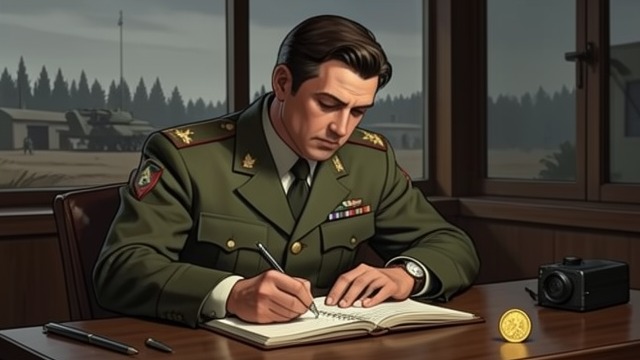
A Soldier’s Unfinished Letter
A private voice preserved
Charles Breacken writes to his wife and asks after their daughter. The letter preserves a voice separate from the public story of military strategy.
Duty and theft
Breacken describes the gold as property taken from the Confederates and as a service to the Union. The same act appears different depending on whose ownership and cause define it.
Memory carried across time
His words survive beside the bars for generations. The treasure’s history is not a simple legend but a record of wartime choices and a family’s interrupted future.
Maestro’s Unmarked Losses
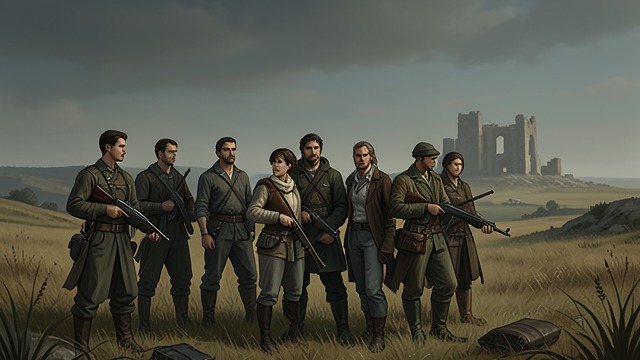
Maestro’s Unmarked Losses
Missing people counted
The agents review reports of young people and women missing from the area over several years. Some may be runaways, but the pattern is higher than expected.
History beneath the present case
The possibility that earlier victims were never found gives Erin’s disappearance a wider context. A rural town can conceal serious violence behind familiar routines.
Responsibility to remember
The inquiry asks investigators to treat absence as evidence rather than assume a missing person chose to leave. Christie’s case makes that lesson personal for Dixon.
What the Living Inherit
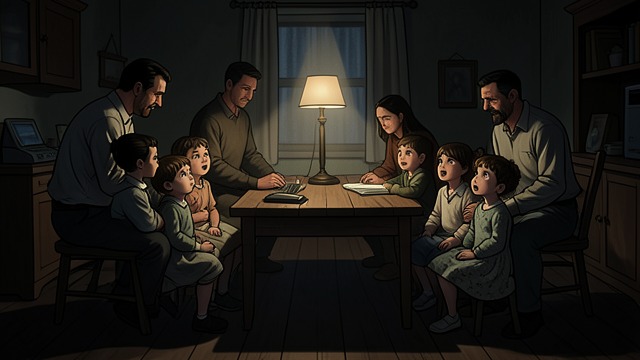
What the Living Inherit
Children absorb adult secrets
Rob and Rafer have heard incompatible stories about Christie, while Marian has spent years seeking Gordon’s approval. Adult silence becomes part of the next generation’s burden.
Memory can be changed by speech
Dixon’s honest conversation lets his sons question what they have been told. Ruth’s presence gives the family a reason to face the subject, not a replacement for the person they lost.
History need not dictate the future
Marilyn’s recovery offers another version of inheritance: her past remains real, but her work and choices reshape what comes next. The book distinguishes remembering harm from repeating it.
During Marilyn’s recollections of childhood
Years before the events of this novel
During the Civil War, while the gold is hidden
During the investigation, as other disappearances are reviewed
After the killings, as families begin to recover
