Walt McGuffey
Point BlankWalt McGuffey is an elderly lifelong resident remembered by Dixon Noble as a master furniture maker, a generous neighbor, and a familiar presence in the community. His murder, discovered after Ruth Warnecki’s car is found hidden behind his house, links an ordinary local life to the case’s widening violence and leaves the Sheriff personally responsible for seeing that Walt is treated with dignity and buried.
Identity and Background
Walt was eighty-seven and, as Dixon Noble explains, had lived in the area all his life. He had once been regarded as the finest furniture maker in the state, and his preferred material was bird’s-eye maple. The detail gives his past a tangible craft: Walt was known not simply as an old resident but as someone whose skill had made objects intended to endure.
His wife, Martha, died of cancer in the 1970s. By the time of his murder Walt had no family to take charge of his funeral. His long residence and widowhood make him part of the community’s accumulated memory, even as his solitude leaves him especially dependent on neighbors’ care.
Place in the Community
Walt’s connection to Dixon was longstanding. Dixon had known him for as long as he had lived in the area, and Christie Noble used to invite Walt to the family’s Thanksgiving dinner. Dixon had also hosted him for the previous two years. These meals place Walt within the intimate, repeated routines of local life rather than at its margins: he was an older neighbor whom the Nobles continued to include.
Dixon remembers Walt’s familiar grin and the teasing question he used to ask about whether Dixon’s boys had given him gray hairs. The Sheriff’s recollection is affectionate and particular, preserving Walt as a person with a recognizable humor rather than reducing him to the circumstances of his death. Dixon’s sons, he says, will be upset by the loss as well.
Murder and Connection to the Case
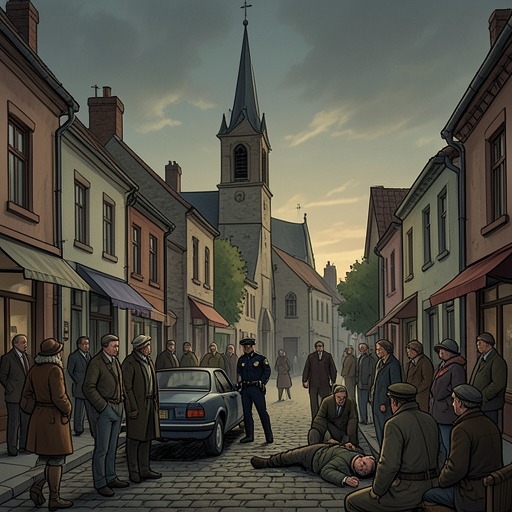
Walt was found dead at his home, probably having been killed on Friday. His death was treated as murder, and the manner of killing suggested that a kitchen knife belonging to Walt had been used. The investigation connected the house to Ruth’s attempted murder because her BMW had been concealed in a shed behind Walt’s home.
Dixon suspects that the killer may have murdered Walt while hiding the car, either because Walt saw something or because the killer needed to act quickly and considered him an obstacle. These remain possibilities, not established explanations. Dixon and the investigators also suspect that Walt’s killer may be the same person responsible for Erin Bushnell’s murder and the attempt on Ruth’s life, placing Walt’s death within the broader serial-murder investigation.
The timing of the discovery sharpens the loss. Dixon explains that his deputies did not check on Walt until the morning after he had raised concern about the undisturbed snow around the house. Once the body is examined, he orders the forensic team to fingerprint the scene, particularly the kitchen. The search for evidence proceeds alongside his recognition that the victim was someone he had known for decades.
Dixon’s Response and Narrative Significance
When Dillon Savich asks how Walt was killed, the question helps Dixon regain control of his anger and return to the investigation. But at the house, the Sheriff’s professional composure gives way to grief: he kneels beside Walt, rests a hand on his shoulder, closes his eyes briefly, and recalls the old man’s familiar manner. He then asks the doctor to treat Walt well, calling him a grand old man.
Dixon also takes responsibility for the practical consequence of Walt’s isolation: he says he will arrange the funeral himself. Walt’s death therefore does more than add another victim to the case. The concealed car makes his home part of the trail surrounding the attack on Ruth, while Dixon’s memories and actions reveal the human cost of violence reaching into a small community. The investigation must establish why Walt was killed; the Sheriff’s response makes clear who Walt was to the people left behind.