the Pandiya Chakravarthy
Ponniyin SelvanThe Pandiya Chakravarthy is a hunted, wounded ruler whose beheading by Adithan becomes one of the defining acts in Adithan’s past. The evidence presents him chiefly through the pursuit that ends his life and through the competing judgments that follow: a celebrated battlefield victory to some, a killing of a helpless man to Nandhini, and an act Adithan cannot forget.
Identity and Introduction
The Pandiya Chakravarthy is identified in the narrative as Veera Pandiyan. At the Kedilam crossing, heralds announce Adithan as the warrior who entered the Sevur battlefield and beheaded him, presenting the death as a feat that contributes to Adithan’s public reputation. The proclamation turns the ruler’s death into part of a royal hero’s celebrated record before the account returns to the private cost of the act.
Pursuit and Death
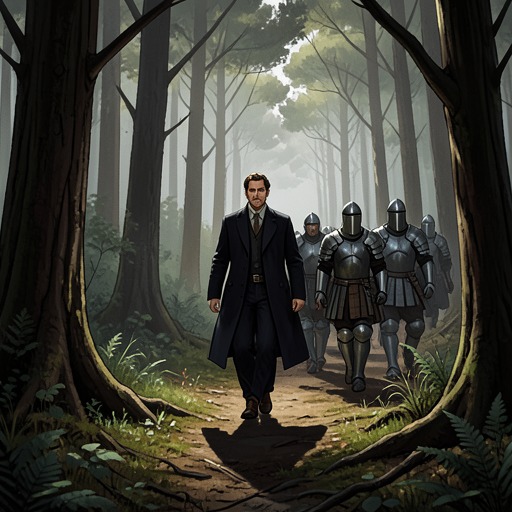
Three years before Adithan recounts the episode, he hunted the Pandiya Chakravarthy and tracked him to a secret lair. Nandhini intervened in a frantic attempt to save his life, but Adithan rejected her plea and beheaded him. The sequence matters: the killing was not described simply as a battlefield encounter, but as the end of a pursuit into a hidden refuge, with an appeal for mercy refused at its decisive moment.
A Death Remembered
When Adithan finally tells the story to Malayaman, he recalls the hunt, the plea, the beheading, and the remorse and despair that followed. He says the incident has never left his memory and that he cannot find peace without asking Nandhini’s forgiveness. His account makes the Pandiya Chakravarthy’s death an enduring burden rather than a victory safely contained in public acclaim; it also shapes Adithan’s intention to make amends before returning to Kanchi.
Competing Judgments
Nandhini later asks Manimekalai whether Adithan’s beheading of the Pandiya Chakravarthy in one blow should be considered valor. She challenges the heroic description by asking Manimekalai to imagine a beloved man, severely wounded and unable to leave his bed, attacked by an enemy who raises a sword to behead him. Manimekalai answers that she would seize the foe’s sword and plunge it into his heart. Nandhini embraces her for that answer. The exchange recasts the ruler’s death from a martial feat into a test of how one responds when a vulnerable person is at an enemy’s mercy.