
Bella Disarms the General
Poor ThingsThis flow traces the confrontation in which Bella Baxter turns the General’s weapon and authority against his attempt to reclaim her.
increasing Bearing strength in each event
 decreasing
Bearing strength in each eventdecreasingA Convenient Legal Threat
A Convenient Legal Threat
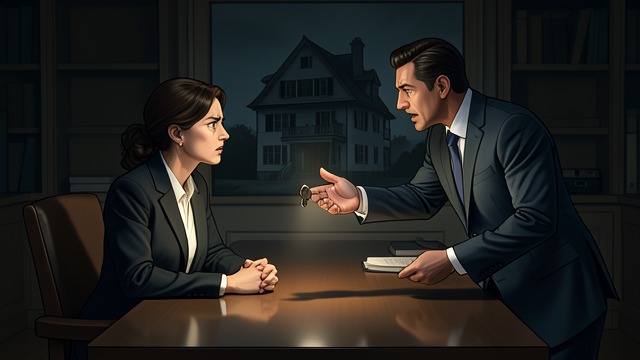
The threat of confinement
The General’s lawyer argues that Bella can be returned to her husband or placed under institutional control. The law offers the powerful an apparent route to disregard her wishes.
A contest over consent
Baxter exposes the difference between legal argument and moral legitimacy. Bella’s ability to participate in the discussion becomes as important as any claim about her past.
The General’s Demand
The General’s Demand
Force returns
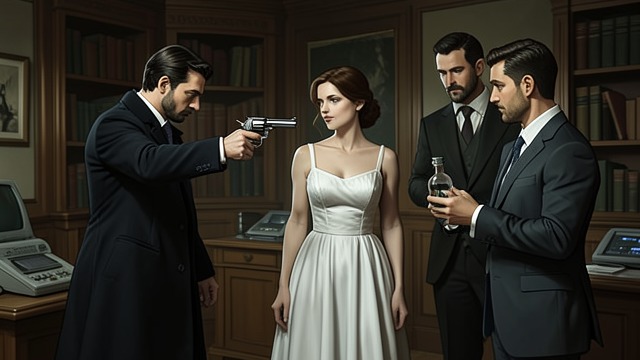
After Bella chooses to remain, the General draws his revolver and threatens Baxter. He attempts to turn the meeting into an act of physical control.
Others hesitate
Prickett prepares chloroform, while McCandless and Grimes are caught in the threat. The scene shows how rank and habit can make coercion appear like an extension of legitimate command.
Bella Takes the Weapon
Bella Takes the Weapon
Direct resistance
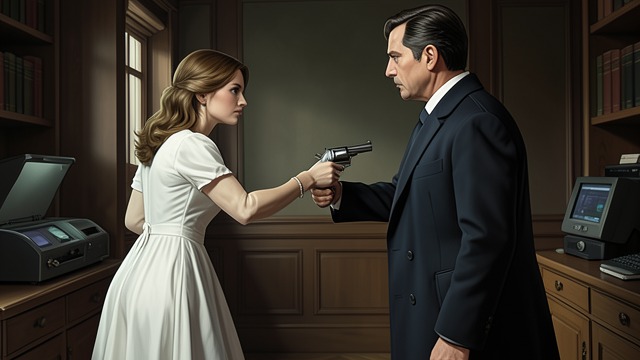
Bella steps between the General and Baxter, grasps the revolver, and turns its barrel away. The gun fires, but she takes it from him before anyone can enforce his threat.
A reversal of power
Her quick action changes the balance of the room. The General’s weapon no longer guarantees obedience, and Bella refuses to become the passive object he expects.
The Refused Execution
The Refused Execution
The demand to be shot
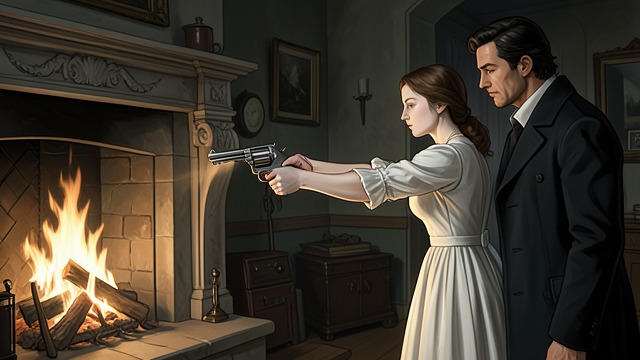
The General orders Bella to fire at him, revealing a lifelong attraction to battle and death. He tries once more to make his desire the command that governs everyone else.
Bella sets her own terms
She fires the remaining shots into the fireplace and faints. Her refusal neither obeys nor kills him; it ends the scene on a choice he cannot direct.
An Exit, Not a Victory Parade
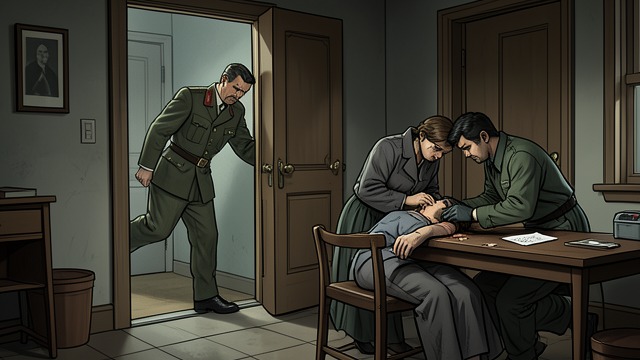
An Exit, Not a Victory Parade
Authority loses its audience
The General leaves without taking Bella, while Baxter and McCandless attend to her injury. His military standing cannot restore his control in the household he has tried to dominate.
Defeat remains consequential
He soon dies by suicide, and the newspapers translate his private crisis into political disappointment. Bella’s refusal has ended the immediate coercion, but not the human cost of the conflict.
Christmas Day, 1883, during the identity dispute
During the final meeting at 18 Park Circus
Moments after the revolver is raised
Immediately after Bella gains control of the revolver
After Bella regains consciousness
