
The Hidden Letter and Contested History
Poor ThingsThis flow follows the novel’s layered claims to truth, from McCandless’s memoir to Victoria’s rebuttal and Gray’s framing editorial.
increasing Bearing strength in each event
 decreasing
Bearing strength in each eventdecreasingA Book in the Discarded Files
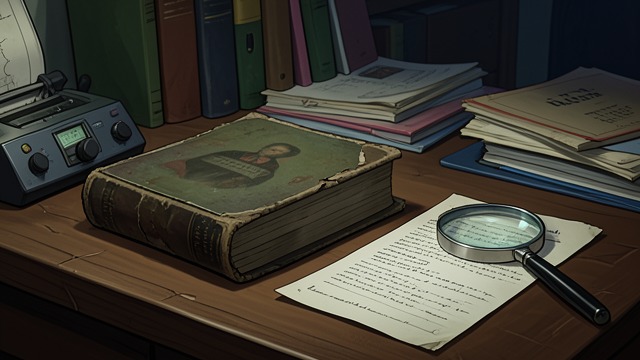
A Book in the Discarded Files
Accidental recovery
Michael Donnelly finds an old volume and a letter in files discarded by a law office. The book claims to be the autobiography of Archibald McCandless.
An unstable archive
The recovered materials arrive without the supporting documents that might settle their authenticity. From the beginning, the story’s authority depends on readers’ willingness to trust a damaged chain of custody.
Gray’s Editorial Frame
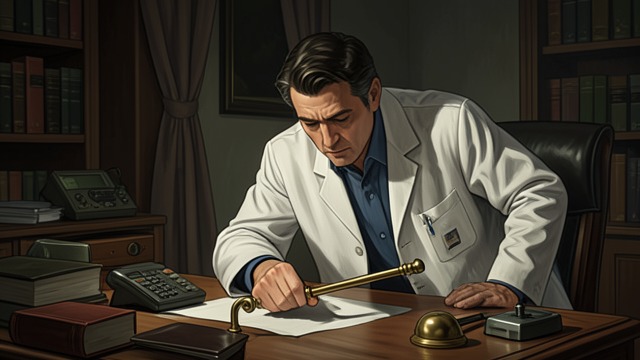
Gray’s Editorial Frame
A claim of historical proof
Alasdair Gray presents himself as editor and researcher, offering a chronology and purported archival evidence. He insists that the main text is near-facsimile while admitting changes to its title and chapter headings.
Authority made theatrical
His confidence and selective evidence invite skepticism as much as belief. The editorial voice becomes another character in the struggle over which version of events readers should accept.
The Memoir’s Ending
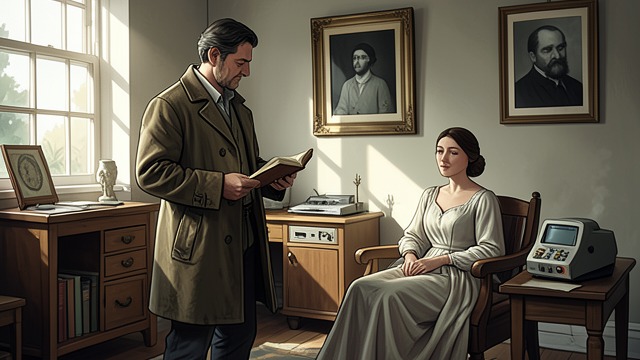
The Memoir’s Ending
A settled account
McCandless presents a happy marriage, useful public careers, and a dignified account of Baxter’s death. His narrative gives his own life and love a coherent place in Bella’s history.
Questions left open
The apparent closure depends on accepting his version of Bella’s origins and feelings. His confidence prepares the reader for the contradiction that follows.
Victoria’s Rebuttal
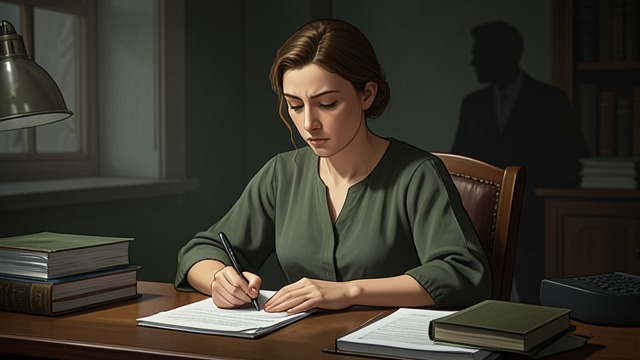
Victoria’s Rebuttal
A competing life story
Victoria McCandless says that the memoir distorts her past, misrepresents her relationships, and recasts her as a childlike creation. She gives her own account of poverty, marriage, escape, and medical ambition.
Truth remains plural
Her letter does not simply replace fiction with certainty; it supplies another perspective shaped by memory and conviction. The contradiction forces readers to assess the motives behind both narratives.
The Editor’s Double Game
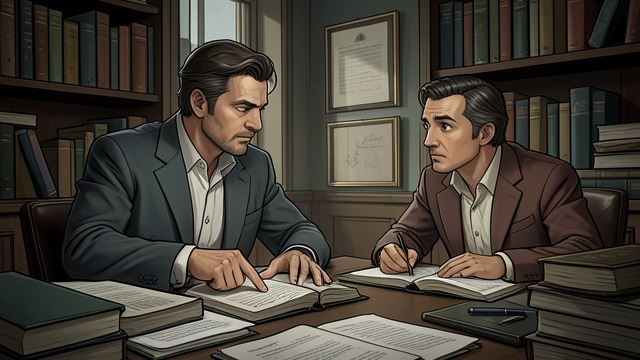
The Editor’s Double Game
Evidence undercut
The notes expose inconsistencies in dates, anatomy, and historical claims, while supplying more elaborate supporting detail of their own. Their apparent scholarship repeatedly becomes parody.
Readers become investigators
Neither the memoir, the letter, nor the editorial apparatus can claim unquestioned authority. The book’s form makes the interpretation of evidence part of its central story.
The 1970s, during Donnelly’s salvage work
1990, as Gray prepares the edition
After the final events in 1884, as narrated by McCandless
1914, in Victoria’s letter to her descendants
At the book’s closing editorial notes
