
The Search for Good Action
Poor ThingsThis flow traces Bella Baxter’s struggle to act ethically without retreating into innocence, cynicism, or fantasies of rescue.
increasing Bearing strength in each event
 decreasing
Bearing strength in each eventdecreasingA World Called Good

A World Called Good
Innocence as a starting point
Bella Baxter believes ordinary life is broadly kind and that hardship belongs mostly to the past. Her optimism comes from limited experience, not a considered political argument.
Curiosity unsettles comfort
She asks questions that others dismiss and notices contradictions in their explanations. Her openness makes her both vulnerable to new knowledge and able to revise what she believes.
The Shock of Suffering
The Shock of Suffering
Seeing the structure
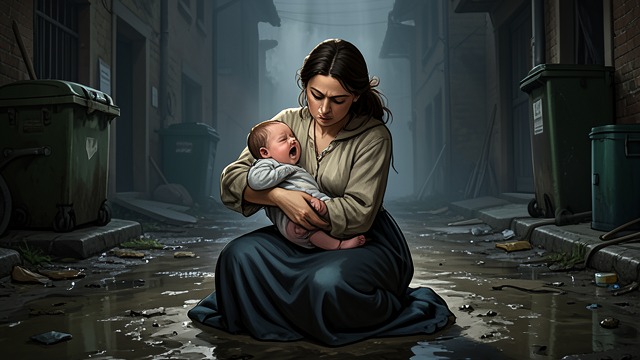
The beggars’ exposure to violence and hunger destroys Bella’s confidence that society naturally protects everyone. The scene forces her to see suffering as organized, not merely accidental.
Responsibility without a method
Bella acts immediately to help a child and baby but is stopped. Her desire to intervene remains powerful even when she cannot yet tell what action will be effective.
Astley’s Despairing Lesson
Astley’s Despairing Lesson
The case for cynicism
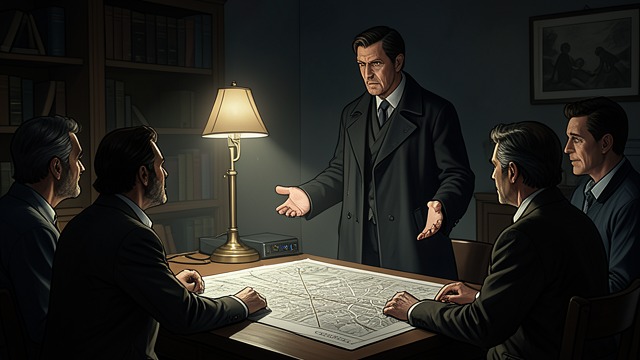
Harry Astley explains how wealth, empire, and social institutions benefit from the vulnerability of others. He argues that reformers often soothe themselves rather than change anything.
A rejected answer
Bella learns from his analysis but refuses his conclusion that cruelty is inevitable. She recognizes that exposing injustice is necessary, though it cannot by itself repair it.
The Debate About Helping
The Debate About Helping
Charity questioned
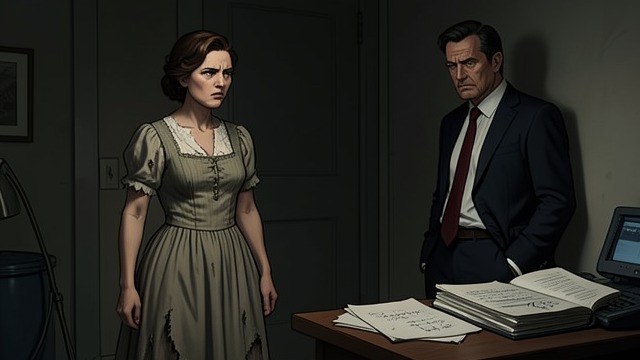
Bella proposes rescuing poor children, but Baxter warns that dependency and poorly planned help can repeat the harm it intends to end. He asks her to learn before taking responsibility for others.
Independence as a practice
He points her toward demanding work and medical training. The disagreement shifts compassion from a feeling of rescue into a question of competence, power, and durable care.
A Practical Commitment
A Practical Commitment
Choosing a role
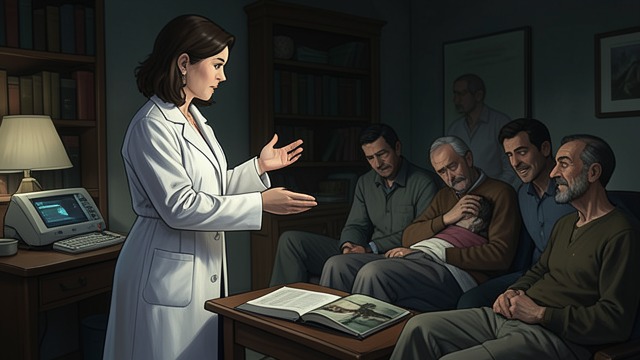
Bella chooses medicine and aims to work with people whose health is shaped by poverty and limited choices. Her decision gives her an avenue for action without pretending she can fix society alone.
An unfinished ethic
Her career remains a search rather than a final answer. She treats good work as something learned through practice, shared knowledge, and respect for the people being helped.
Before Bella sees poverty in Alexandria
During the Alexandria visit, 1883
During the voyage away from Alexandria
After Bella returns to Baxter’s home
After the family debate in late 1883
