
The Social Argument of the Novel
Poor ThingsThis flow traces the novel’s recurring contrast between private benevolence and structural remedies for poverty and disease.
increasing Bearing strength in each event
 decreasing
Bearing strength in each eventdecreasingMedicine and the Poor
Medicine and the Poor
Cure versus prevention
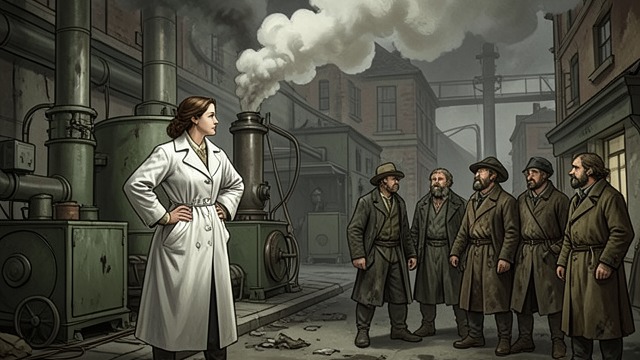
Baxter argues that medicine is often organized around treating illness rather than removing its causes. McCandless initially defends the limits imposed by industry and competition.
A civic question
Their debate connects health to clean water, housing, work, and food. It asks whether medical skill can be humane while the conditions producing illness remain untouched.
The City as Evidence
The City as Evidence
Industrial prosperity, bodily cost
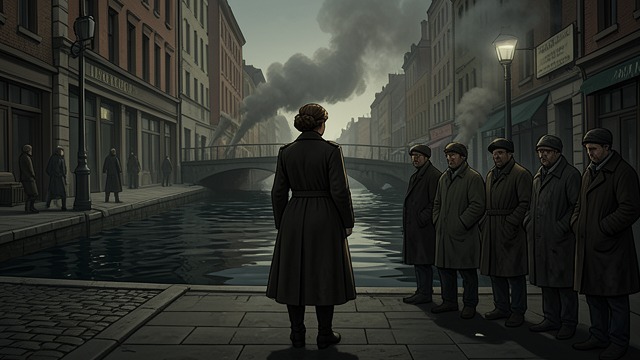
The polluted river and crowded districts reveal a city whose wealth coexists with avoidable disease. Glasgow’s industrial power does not guarantee the health of its residents.
Public health as politics
Bella’s later work treats sanitation and housing as social responsibilities. The city’s conditions make prevention a question of who controls resources and whose suffering is accepted.
Empire’s Benevolent Mask

Empire’s Benevolent Mask
Domination explained as care
Dr. Hooker presents Anglo-Saxon rule as a civilizing mission, while Astley reveals its economic interests. Their debate shows how moral language can disguise the pursuit of power.
A wider field of responsibility
Bella recognizes that suffering abroad is connected to British trade and military action. Her political understanding grows beyond individual charity to include systems and beneficiaries.
Competing Paths to Reform

Competing Paths to Reform
Politics mapped out
Astley describes socialism, communism, anarchism, and pacifism as different responses to unequal power. He predicts that each path faces dangers of compromise or coercion.
Refusing easy certainty
Bella does not accept that failure is inevitable or that one doctrine solves every problem. The debate presents reform as a difficult practice requiring attention to means as well as ends.
Care as Public Work
Care as Public Work
Medicine shared outward
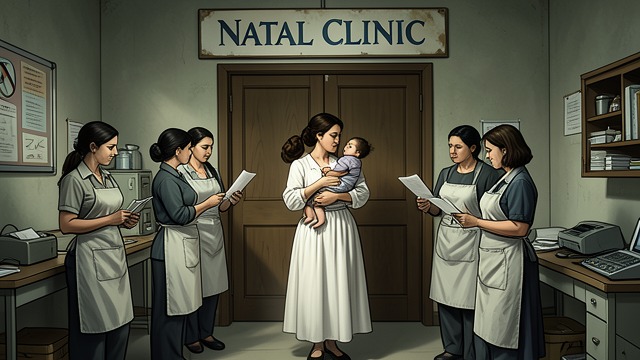
The Godwin Baxter Natal Clinic makes medical work accessible and trains local women. It treats education and patient agency as part of healthcare rather than optional additions.
A fragile alternative
Institutional criticism and financial pressure threaten the clinic’s model, but its example persists. The novel leaves reform neither triumphant nor futile: it is a practical effort repeatedly made and challenged.
During McCandless and Baxter’s early conversations
During the return to Glasgow in 1883
During the shipboard debates after Odessa
During Astley’s discussions with Bella
From the founding of the clinic in 1890
