
Women, Work, and Bodily Autonomy
Poor ThingsThis flow traces how the novel links women’s bodily choices to education, medical authority, economic dependence, and political work.
increasing Bearing strength in each event
 decreasing
Bearing strength in each eventdecreasingBodies Interpreted by Men

Bodies Interpreted by Men
Desire named as illness
Victoria’s wish for intimacy is diagnosed as erotomania by male authorities who accept the General’s account of marriage. Her needs become evidence against her credibility.
Authority disguised as treatment
The proposed operation is framed as a cure, although it would silence her desire rather than address her circumstances. The episode links medical power to social control of women.
Economic Dependence

Economic Dependence
Money shapes choices
Bella travels with Wedderburn but repeatedly has to manage the funds he risks. In Paris, her ability to work and arrange passage becomes essential to her freedom.
Work and vulnerability
Her employment at Millie Cronquebil’s establishment exposes how women’s livelihoods are shaped by licensing, inspection, and men’s choices. Economic independence is necessary but does not remove exploitation.
Medical Access for Women

Medical Access for Women
Exclusion challenged
Bella seeks professional training at a time when women’s access to medicine remains limited. Her work begins in nursing and practical care rather than being granted authority automatically.
Knowledge as autonomy
She aims to teach patients about contraception and health. Medical education becomes a means for women to understand their bodies and make choices beyond the expectations of husbands or doctors.
The Clinic’s Feminist Practice
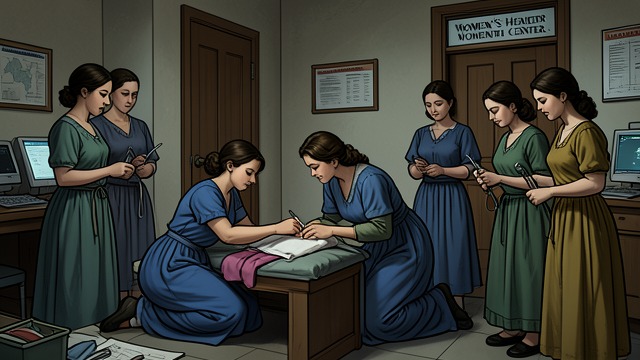
The Clinic’s Feminist Practice
Care organized differently
Victoria McCandless trains women and provides charitable care in a poor Glasgow district. She treats patients as people who can learn, decide, and participate in healing.
Resistance from institutions
Her methods draw professional and public criticism, especially when they challenge medical hierarchy and reproductive control. The clinic makes women’s autonomy visible as a practical, contested project.
Public Voice and Repression

Public Voice and Repression
Reform made controversial
Victoria publishes and speaks on suffrage, health, birth control, and the conditions of working women. Her public role extends the clinic’s work into political argument.
The cost of speaking
Hostile campaigns and prosecution weaken her institutional position, and she is eventually removed from the clinic. Her continued local work shows both the vulnerability and persistence of feminist practice.
During Victoria’s marriage to the General
During Bella’s time with Wedderburn, 1883
After Bella’s return to Glasgow
From 1890, at the Godwin Baxter Natal Clinic
From the 1890s through the clinic’s later removal
