
Memory and the Making of Identity
Poor ThingsThis flow traces the changing meanings of Bella Baxter’s amnesia, the recovered past, and the competing stories told about her selfhood.
increasing Bearing strength in each event
 decreasing
Bearing strength in each eventdecreasingA Past Removed
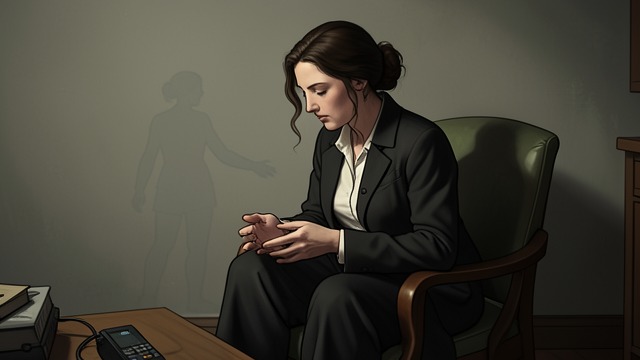
A Past Removed
Starting without recollection
Bella Baxter has no accessible memories of Victoria’s life before the drowning. Her speech, movement, and learning begin from experience in Baxter’s home.
Memory and personhood
The absence of recollection raises the question of whether identity belongs to the body, remembered history, or present choices. The novel does not settle the question before showing Bella make a life.
A Borrowed Family Story
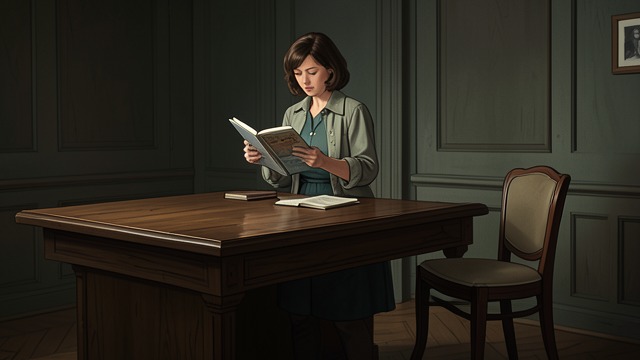
A Borrowed Family Story
A useful fiction
Baxter gives Bella an invented family history involving parents and a railway accident. The story makes her presence easier to explain and offers a past where none is available to her.
Comfort with a cost
The fabrication protects Bella but deprives her of the truth about her body and child. It shows how a story can care for someone while also limiting their knowledge of themselves.
The Missing Child
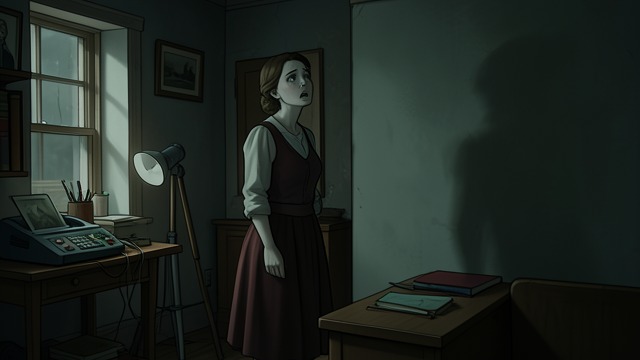
The Missing Child
A question surfaces
Bella asks Baxter where her child is, recalling fragments and clues that the invented past cannot explain. Her question makes the consequences of her original life impossible to postpone.
Grief without full memory
She recognizes that the child died but does not possess a complete memory of being a mother. Her response shows that identity can include losses whose emotional meaning emerges gradually.
The Former Victoria Revealed
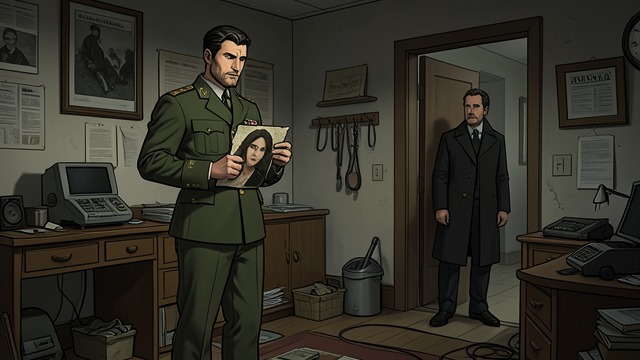
The Former Victoria Revealed
A history returned
The General, Blaydon Hattersley, and Baxter expose Bella’s earlier identity and the conditions of her escape. Bella learns the past without simply becoming the person others claim she was.
Continuity and change
Her body connects her to Victoria, but her present judgment and choices differ from the roles imposed on her before. Recovered facts add to identity without erasing development.
A Life Read Two Ways
A Life Read Two Ways
McCandless’s version challenged
Victoria rejects the memoir’s claim that she began life with a child’s mind and fell in love with McCandless at first sight. She remembers herself as an adult woman who chose her relationships.
No final narrator
Her letter complicates the apparent facts of the memoir without providing a neutral account. The reader must recognize that memory, love, and self-presentation shape every version of a life.
At Bella’s first awakening in 1880
During Bella’s early years at Park Circus
After Bella’s return from travel, late 1883
Christmas Day, 1883, during the meeting at Park Circus
1914, when Victoria writes to her descendants
