
Dolly and the General’s Double Standard
Poor ThingsThis flow traces the connection between the General’s treatment of Dolly Perkins and the social order that labels women’s needs while excusing men’s conduct.
increasing Bearing strength in each event
 decreasing
Bearing strength in each eventdecreasingA Secret Arrangement
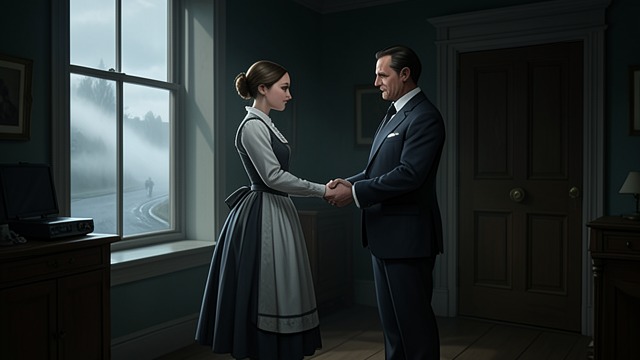
A Secret Arrangement
A young servant exploited
Dolly Perkins works in the General’s household and becomes involved with him while still very young. The relationship remains concealed from public respectability.
Unequal risk
The General retains rank and resources, while Dolly bears the danger of pregnancy and abandonment. Their unequal positions make the relationship more than a private romance.
Dolly Seeks Help
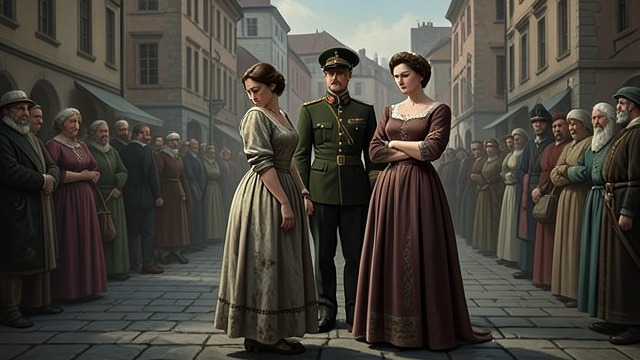
Dolly Seeks Help
An appeal to Victoria
Pregnant and without means, Dolly goes to Victoria Blessington asking for help. Victoria is prepared to give her money before the General intervenes.
A choice forced into public
The General’s response throws Dolly into the street and locks Victoria away. His desire to suppress scandal becomes a direct act of coercion against both women.
The Street Witnesses
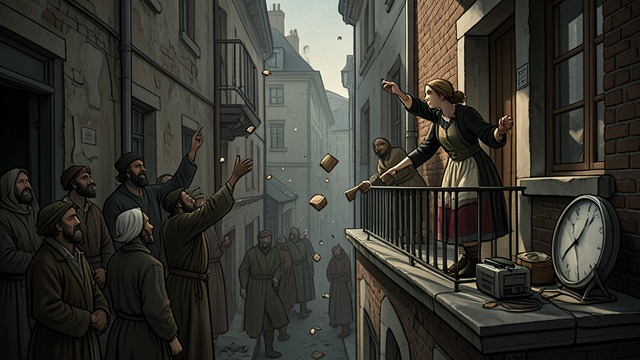
The Street Witnesses
A public reversal
Victoria throws valuable possessions from her window into the street, drawing a crowd from the poorer neighborhood. Her action gives her a moment of agency after confinement.
Solidarity made visible
The scene links her own rebellion to the people who gather below. The General can control the household but cannot fully contain the public meaning of his actions.
The Evidence Reappears
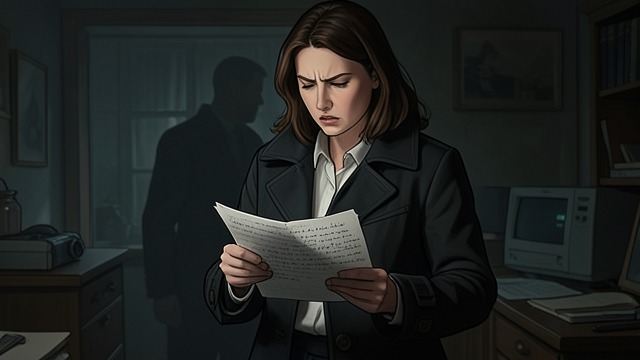
The Evidence Reappears
A hidden pattern exposed
Baxter’s investigation recounts Dolly’s relationship with the General and the later demand for help. Her history explains why Victoria risked her standing to intervene.
Respectability challenged
The General claims that his conduct was ordinary and that his wife was irrational. Dolly’s story makes that contrast impossible to ignore.
A Diagnosis Reconsidered
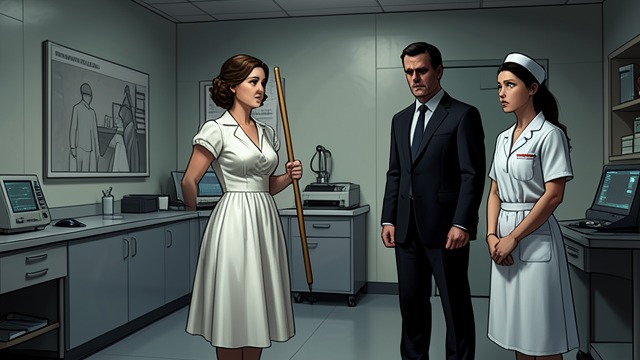
A Diagnosis Reconsidered
The story changes meaning
Bella hears that Victoria’s desire for affection was diagnosed as madness while the General’s own sexual conduct was excused. What was presented as medical certainty now appears shaped by gender and class.
A wider indictment
Dolly’s treatment and Victoria’s confinement belong to the same system of unequal responsibility. The confrontation makes private sexual conduct a political question.
Before the General’s marriage, during the 1870s
February 1880, at the General’s London home
The day Victoria escapes confinement
Christmas Day, 1883, during Baxter’s investigation
During the final confrontation at 18 Park Circus
