
Love, Idealization, and Reality
Poor ThingsThis flow traces how different characters mistake love for rescue, possession, or an ideal image, and how those ideas change.
increasing Bearing strength in each event
 decreasing
Bearing strength in each eventdecreasingBaxter’s Imagined Beloved

Baxter’s Imagined Beloved
An imagined recognition
Baxter longs for a woman who will respond to his inner life with admiration and tenderness. He imagines love as recognition by someone who sees beyond the face others fear.
The dream’s danger
His longing helps explain his creation of Bella, but it also risks shaping her into the answer to his loneliness. Love becomes ethical only when her freedom matters more than his imagined reward.
McCandless’s Romantic Script

McCandless’s Romantic Script
Love idealized
McCandless turns a few encounters with Bella into a life-defining courtship. He writes poetry and treats tokens as proof of an enduring promise.
Affection without shared assumptions
Bella’s understanding of love is more immediate and less bound to conventional exclusivity. His idealization is sincere, but it cannot substitute for knowing what she wants.
Wedderburn’s Possessive Romance
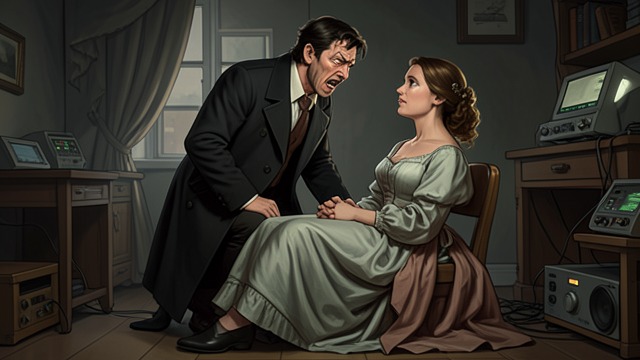
Wedderburn’s Possessive Romance
Desire dressed as destiny
Wedderburn interprets Bella’s sexual freedom as evidence that she will become his wife. He treats his confession of past affairs as proof that love has made him a new man.
The fantasy collapses
Bella neither promises exclusive devotion nor organizes her life around his needs. His romantic script breaks under the strain of dependence, jealousy, and gambling.
Astley’s Offer of Marriage

Astley’s Offer of Marriage
A life proposed as reform
Astley offers Bella marriage, practical influence, and the chance to improve a community. His proposal combines genuine regard with his desire to shape her future.
Affection cannot be duty
Bella refuses because she does not love him. The refusal challenges the idea that a socially useful marriage is sufficient reason to surrender personal choice.
Partnership After Idealization
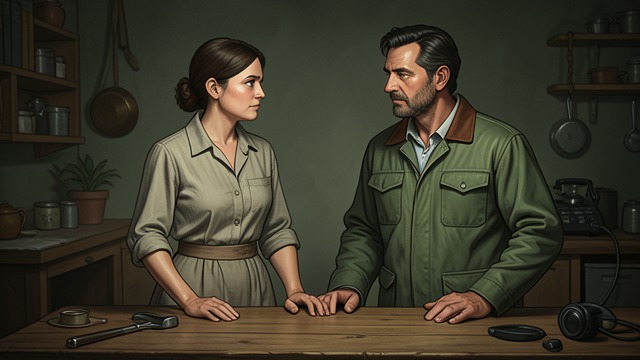
Partnership After Idealization
A more ordinary intimacy
Bella and McCandless build a relationship through shared work, affection, and room for independence. Their marriage does not erase differences in temperament or ambition.
Love as ongoing practice
The partnership becomes durable not because either fulfills a fantasy, but because each can support the other’s chosen life. The novel contrasts this negotiated affection with the possessive and idealized forms that precede it.
During Godwin’s youth, before he meets Bella
After the fountain meeting, in 1883
During the European elopement, 1883
During the voyage near Gibraltar
After Bella’s return and marriage
