
The Founding and Suppression of a Clinic
Poor ThingsThis flow traces the rise of the Godwin Baxter Natal Clinic as a model of community care and the political campaign that undermines it.
increasing Bearing strength in each event
 decreasing
Bearing strength in each eventdecreasingA Charitable Foundation
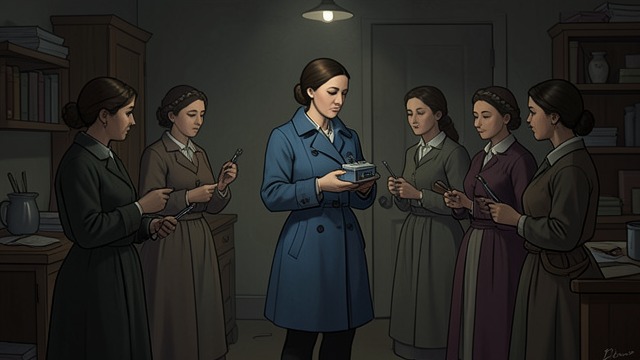
A Charitable Foundation
Care for neglected patients
Victoria McCandless uses Baxter’s resources to establish a clinic in a poor district of Glasgow. It offers practical medical care to women and families with limited access to treatment.
A broader purpose
The clinic trains local women and treats health as a shared responsibility. It challenges a system in which expertise is concentrated in professionals while patients are expected to obey.
Training Local Women
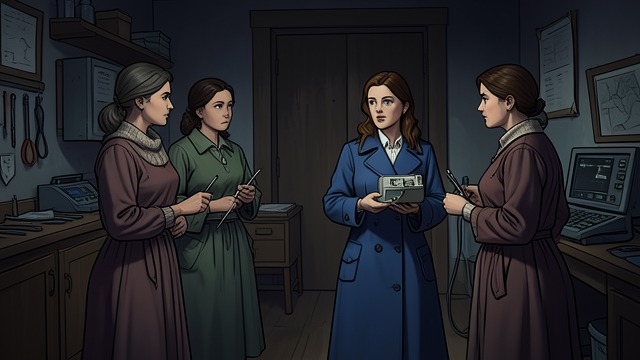
Training Local Women
Skills passed on
Victoria trains women to assist in clinical work and encourages them to move into positions where they can learn more. Her approach treats teaching as part of the clinic’s service.
A challenge to hierarchy
Some trainees ask questions and resist the rigid expectations of hospitals. Their behavior reveals the conflict between active learning and institutions that value obedience.
A Public Campaign Begins

A Public Campaign Begins
Press attacks
The Daily Express portrays Victoria’s views on intimacy and birth control as a threat to the nation. Its articles turn a dispute about health and education into a public scandal.
Reputation as a weapon
The campaign uses insinuation and political fear to undermine the clinic. The attack shifts the conflict from professional debate to the attempt to remove Victoria’s influence.
Prosecution and Testimony

Prosecution and Testimony
The case in court
Victoria is prosecuted over allegations connected to abortion instruction. During questioning, she argues that practical care and social economy must be judged by whether they harm patients.
A qualified outcome
The jury returns a verdict of not proven. Victoria avoids the clearest legal penalty, but the case leaves her vulnerable to institutional pressure and hostile publicity.
Removal and Continuation
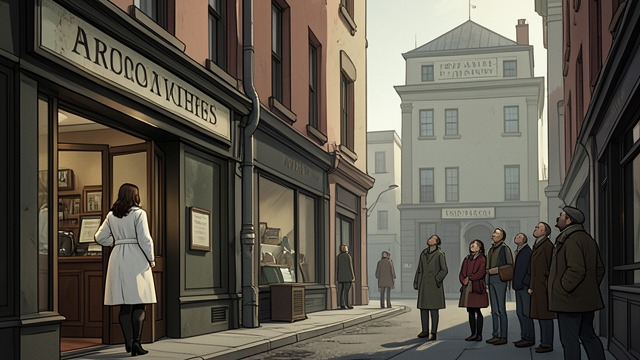
Removal and Continuation
An institution taken away
Victoria is removed from the clinic, which becomes part of a hospital system. The loss ends her formal leadership but not her commitment to local patients.
Work reduced, not erased
She continues a smaller practice from her home and remains available to people who need help. The outcome is defeat for the institution, but not a complete defeat of its purpose.
1890, when the clinic opens
During the clinic’s first decades
Around 1920, after A Loving Economy appears
After the press allegations, around 1920
After the clinic’s committee withdraws support
